


A successful hair transplant begins weeks before surgery. While modern FUE hair transplant techniques can produce natural-looking, permanent results, proper preparation helps reduce bleeding, support healing, and maximize graft survival.
Hair transplant pre-op instructions focus on four key areas: medication and supplement changes; supportive treatments (PRP, laser red light therapy) starting four weeks before surgery; lifestyle adjustments in the final two weeks; night-before preparation; and surgery-day logistics.
Key Takeaways
- Stop nicotine, alcohol, THC, and blood-thinning supplements at least 2 weeks before surgery.
- Avoid NSAIDs unless approved
- Reduce strenuous exercise 1 week before surgery
- Wash your hair the night before surgery
- Arrange transportation home and a designated driver
Proper hair transplant preparation helps reduce bleeding, improve healing, and maximize graft survival for the best possible long-term results.
Here’s a guide outlining how to prepare for a hair transplant and optimize recovery.
| Timeframe | Hair Transplant Pre-Op Care Action | Why It Matters |
| 8 weeks before | Notify your plastic surgeon of any recent injuries or major medical events from the past year, or any future surgeries, at the pre-op consultation. | Helps ensure safe surgical and anesthesia planning. |
| 4 weeks before | Arrange your designated driver time off work, typically 1 week needed. Out-of-town patients should book a hotel for the night before and the night of surgery. | Required for safe discharge home. |
| 4 weeks before | Discuss Vitamin C, zinc, Vitamin D, biotin, PRP, and red light therapy with your plastic surgeon. | Supports collagen synthesis and optimizes scalp healing. |
| 4 weeks before | Confirm bloodwork is complete and results transmitted | Allows pre-operative review. |
| 2 weeks before | Stop blood thinners, NSAIDs, over-the-counter vitamins, and herbal supplements with physician guidance where required. Any medication changes after the initial consultation must be reported immediately. | Reduces bleeding risk during surgery |
| 2 weeks before | Stop all alcohol consumption, nicotine, smoking, vaping, THC and marijuana products. | Improves blood flow, healing and graft survival |
| 1 week before | Reduce intense exercise and heavy weight lifting | Helps reduce bleeding risk |
| 1 week before | Fill all prescriptions | Ensures medications are available when needed. |
| 5 days before | Eliminate garlic, ginger, turmeric, and spicy foods from diet | Removes hidden circulatory stimulants and bleeding risk |
| Night before | Wash hair, perform Hibiclens wash if instructed, lay out button-front clothing, charge devices | Reduces infection risk and prevents morning delays |
| Morning of Procedure | Light breakfast, approved medications only, button-front clothing, confirm driver, arrive on time | Supports a safe and smooth procedure experience |
Hair Transplant Pre-Op Instructions: 4 to 2 Weeks Before Surgery
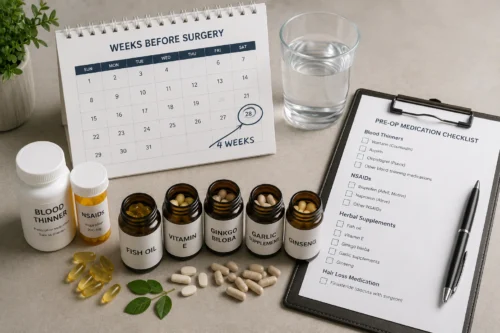
Four weeks before your procedure, you begin the first and most clinically significant phase of preparation. This phase focuses on medications and supplements that must be discontinued to reduce intraoperative bleeding, as well as any other factors that could affect healing or graft survival.
Here are the most important pre-op instructions before hair transplant surgery.
Blood-Thinning Prescription Medications
Warfarin (Coumadin), aspirin, clopidogrel (Plavix), and any other blood-thinning medications, beta-blockers, or blood pressure medications may need to be stopped before surgery. Your hair transplant surgeon and prescribing physician should coordinate a safe temporary discontinuation plan before surgery.
NSAIDs (Non-Steroidal Anti-Inflammatory Drugs)
At least 2 weeks before surgery, stop ibuprofen (Advil, Motrin), naproxen (Aleve), and all other NSAIDs. These are commonly taken without a second thought; however, these medications can interfere with normal platelet function and increase bleeding during graft placement.
Vitamins and Herbal Supplements That Can Increase Bleeding
Many patients carefully stop prescription blood thinners but forget about supplements. Many supplements can increase bleeding risk.
Common supplements that should be stopped two weeks before surgery include:
- Fish oil
- Vitamin E
- Ginkgo biloba
- Ginseng
- Magnesium
- Cod liver oil
- Creatine
- Energy supplements
- Protein supplements
- Artificial fiber/hair-thickening products.
Review all supplements with your surgeon.
Finasteride and Hair Loss Medications
If you are taking finasteride, discuss the protocol with your plastic surgeon. In some cases, continuation is appropriate and beneficial, but recommendations may vary depending on your personalized treatment plan.
Important: Never stop prescription medications without approval from the prescribing physician.
Unsure which medications or supplements need to be stopped before surgery? Our team provides every patient with an individualized pre-operative plan during their consultation.
Lifestyle Adjustments That Improve Hair Transplant Results
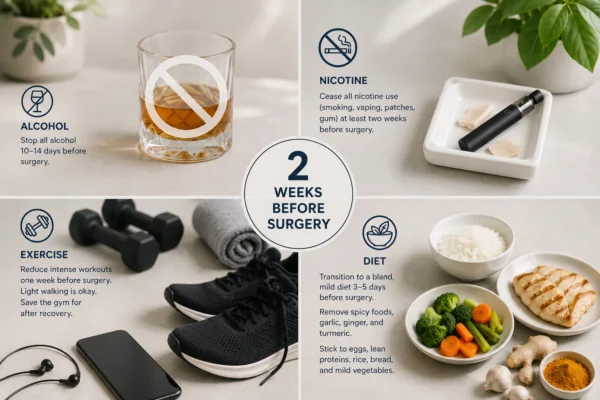
Lifestyle changes in the two weeks before surgery can support graft survival and surgical safety.
How to Adjust Alcohol Consumption
Stop all alcohol consumption 10 to 14 days before surgery. Alcohol can increase bleeding, bruising, and dehydration while impairing the healing immune response that your scalp depends on for graft integration.
How to Stop Nicotine Before Your Hair Transplant
One of the most important hair transplant preparation steps is eliminating nicotine.
Nicotine causes blood vessel constriction, reducing the oxygen and nutrients delivered to newly transplanted grafts. This can impair healing and negatively affect graft survival.
Stop all nicotine products, including cigarettes, vaping devices, patches, and gum, at least two weeks before surgery. Avoid THC and marijuana products as well unless otherwise directed.
How to Modify Exercise
Beginning one week before surgery, avoid intense cardiovascular exercise and heavy weightlifting. Light walking is acceptable.
How to Adjust Your Diet
Three to five days before surgery, avoid spicy foods and ingredients that may affect circulation, including garlic, ginger, ginseng, and turmeric. Focus on lean proteins, eggs, rice, bread, and mild vegetables.
Hair Transplant Pre-Op Recommendations for Better Results
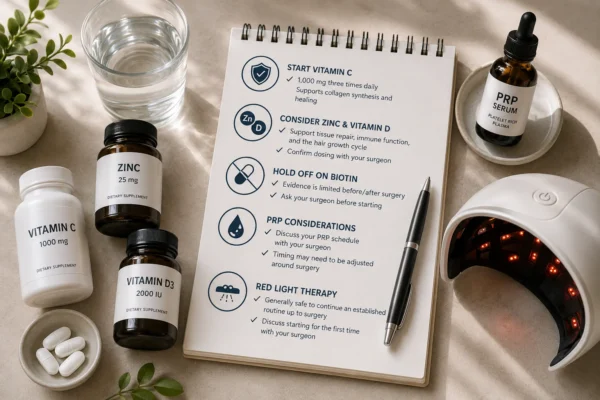
Certain supportive therapies may help optimize healing and scalp health when appropriately incorporated into your treatment plan.
Always consult your surgeon before starting any supplement or treatment.
- Vitamin C: Some surgeons recommend Vitamin C 1,000 mg, three times daily, at 4 weeks out to support collagen production and wound healing.
- Zinc & Vitamin D: May support tissue repair, hair follicle function, and immune health when deficiencies are present.
- PRP (Platelet Rich Plasma): PRP is commonly used alongside hair restoration treatments to support follicle health and growth. Discuss timing with your surgeon. PRP too close to surgery can affect scalp inflammation.
- Red Light Therapy: Patients currently using red light therapy can typically continue treatment, unless advised otherwise.
The Night Before Surgery: Your Pre-Op Preparation Checklist
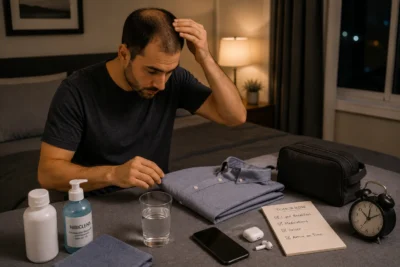
Complete your final preparations the evening before surgery.
Step 1: Wash your hair thoroughly.
Use your regular shampoo and wash your scalp and hair completely. Do not apply any styling products afterward. Your scalp should arrive clean and product-free.
Step 2: Complete Hibiclens Wash if Directed.
Perform the Hibiclens scalp wash if instructed. Hibiclens or chlorhexidine gluconate is a broad-spectrum antimicrobial agent that reduces bacteria on the scalp, helping lower infection risk.
Step 3: Prepare the Right Clothing
Set out your surgery-day clothing. Wear loose, comfortable clothing. Choose a button-front or zip-up shirt. Avoid pullovers. Pullovers may disturb newly placed grafts and risk dislodging follicular units before they have anchored.
Step 4: Confirm Surgery Day Instructions:
Plan a light breakfast. Confirm with your plastic surgeon whether eating before your procedure is permitted. Local anesthesia cases typically allow a light morning meal. If sedation is being used, fasting requirements will apply.
Confirm:
- Arrival time
- Driver arrangements
- Review pre-operative and medication instructions
- Required documentations
Fill all prescribed medications before surgery and bring them with you.
Step 5: Charge Entertainment Devices
Most FUE hair transplant procedures last between 4–8 hours. Download movies, podcasts, or music to a phone or tablet. Earbuds that rest in the ear rather than over-ear headphones are appropriate.
Step 6: Get a full night of sleep.
Adequate rest supports a smoother surgical experience and recovery. Avoid alcohol as it remains in your system and affects platelet function the following day.
Learn more about how long hair transplant surgery takes in our guide.
Surgery Day: Step-by-Step Instructions from Morning to Arrival

Follow these guidelines for a smooth surgery day.
Step 1: Eat a Light Breakfast
Most procedures are performed under local anesthesia. If approved by your surgeon, eat a light breakfast such as eggs, toast, and fruit. Avoid spicy, greasy, or heavy foods.
Step 2: Take Only Approved Medications.
If your plastic surgeon has explicitly approved specific medications for the morning of surgery, take only those as instructed. Do not take any medication that was not specifically cleared for surgery day. Do not restart discontinued medications unless instructed.
Step 3: Shower and Rewash Your Hair.
Use plain shampoo only. No conditioner. No styling products of any kind.
Step 4: Dress Appropriately
Dress in your prepared button-front or zip-up top. Wear comfortable, loose-fitting clothing, and avoid cologne or perfume. Leave jewelry, watches, and valuables at home.
Step 5: Confirm Transportation
A designated driver must be available to drive you home. Medications administered during the procedure affect your reflexes and judgment even when local anesthesia is used.
Step 6: Arrive on Time.
Arrive on time for check-in, photography, hairline design, final consultations, and pre-procedure medications.
Step 7: Bring Required Documents.
A valid photo ID, any pre-op paperwork not yet submitted, and bloodwork results if not already transmitted electronically. Pre-op medication is given by the clinic, taken about an hour before surgery.
Step 8: Bring Entertainment.
Bring earbuds, podcasts, movies, or music to make the procedure more comfortable.
Worried about the pain? See how painful hair transplant surgery is here.
Hair Transplant Postoperative Care
The habits that protect your results do not end when the procedure does. In the first days after surgery, follow your plastic surgeon’s instructions for cleaning the scalp, protecting grafts, and managing swelling.
Continue to avoid the same nicotine, alcohol, and NSAIDs as these products affect healing and graft survival. Attend all scheduled follow-up appointments so your surgical team can monitor healing.
For full recovery guidance, see our post-operative care instructions.
Continued Care in the Months After Your Hair Transplant
Initial shedding of the transplanted hair in the first few weeks is normal and expected. New growth typically appears over the following months, with results developing throughout the first year. Continue recommended treatments and attend scheduled follow-up visits.
Why Patients Choose Dr. Adrian Lo for Hair Restoration in Philadelphia
Successful hair restoration requires far more than placing grafts. Natural-looking outcomes depend on artistic hairline design, meticulous graft handling, advanced surgical techniques, and comprehensive patient care before, during, and after surgery.
Patients throughout Philadelphia, the Main Line, South Jersey, and Delaware choose Dr. Adrian Lo for hair restoration because of his meticulous surgical planning, natural-looking hairline design, personalized approach to every stage of treatment, and his commitment to achieving natural, age-appropriate results that complement each patient’s facial features.
If you’re considering a hair transplant in Philadelphia and want a customized treatment plan designed to maximize graft survival and long-term growth, schedule a consultation with Dr. Adrian Lo’s team today.
Ready to take the next step? To receive a personalized preparation plan based on your health profile, schedule a consultation with our team. If you are still debating whether hair transplant surgery is worth it, check out this guide.

Frequently Asked Questions About Hair Transplant Preparation
How long before a hair transplant should I stop smoking?
Most surgeons recommend stopping nicotine products at least two weeks before surgery to support optimal circulation and healing.
Should I cut my hair before a hair transplant?
Only if instructed by your surgeon, as hair length requirements vary by procedure.
What medications should I avoid before a hair transplant?
Patients are commonly instructed to avoid NSAIDs, certain blood-thinning medications, and supplements that may increase bleeding risk. Always follow your surgeon’s recommendations.