

Medically Reviewed By: Dr. Adrian Lo, M.D., FACS, FRCS(C)

At Philadelphia Plastic Surgery, patients often ask, “When can I exercise after a hair transplant?” Most patients can begin light walking within days, but running, weightlifting, swimming, and intense workouts require a gradual approach to protect newly transplanted grafts.
The exact timeline depends on the transplant technique used, individual healing, and clearance from your plastic surgeon at follow-up visits. Understanding the correct recovery timeline can help maximize graft survival, reduce complications, and protect your final hair transplant results.
Key Takeaways
- Light walking is generally appropriate within 2 to 3 days after a hair transplant.
- Light cardio, such as brisk walking or easy cycling, is typically introduced around the two-week mark.
- Moderate workouts may resume around weeks 3 to 4.
- Generally, defer heavy lifting, swimming, and contact sports for 4 to 6 weeks.
- Recovery timelines vary based on individual healing and graft stability.
- FUE and FUT share the same recipient-site precautions, though FUT donor sites need extra time before neck and shoulder strain.
Why Timing Matters for Hair Transplant Recovery
Newly transplanted follicles establish a stable blood supply during the first one to two weeks after surgery, making graft protection critical for optimal hair transplant results.
Exercise increases blood pressure, scalp circulation, and sweating, which may increase the risk of bleeding, irritation, or graft displacement during the critical first weeks of early healing.
How you prepare before surgery also affects graft survival. Learn more in our hair transplant pre op instructions guide.
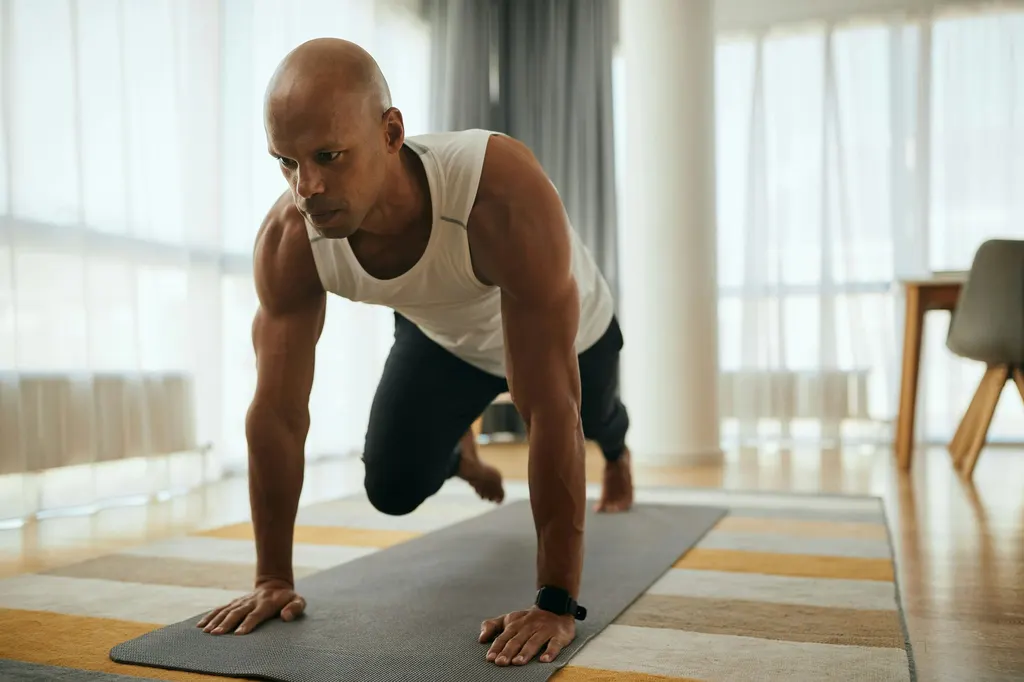
When Can I Exercise After a Hair Transplant?
| Timeframe | What Is Happening | Activity Guidance |
|---|---|---|
| Days 1–3 | Grafts rest on a fibrin clot; swelling and tenderness are common | Rest. Light walking only. Avoid bending forward or lifting. |
| Days 4–7 | Early healing; small crusts form over graft sites | Continue light walking. Avoid activity that causes sweating or an elevated heart rate. |
| Week 2 (Days 8–14) | Grafts become more firmly attached to the scalp | Brisk walking, easy cycling, and light jogging may be appropriate. |
| Weeks 3–4 | Most surface healing is complete | Moderate cardio and light resistance training with machines, avoiding heavy compound lifts. |
| Weeks 4–6 | Grafts are typically secure | Full workouts, including weightlifting, swimming, and contact sports, once cleared at a follow-up visit. |
According to the American Society of Plastic Surgeons, strenuous activity increases blood flow to the scalp. It may cause bleeding at the transplant or incision sites, so patients are often advised to avoid vigorous exercise and contact sports for at least three weeks after surgery.
Exercise After Hair Transplant Timeline by Activity
- Walking: 2-3 days
- Elliptical: 10-14 days
- Cycling: 2 weeks
- Running: 2-3 weeks
- Weightlifting: 3-4 weeks
- Swimming: 4-6 weeks
- Contact Sports: 4-6 weeks
Common Exercise Mistakes After Hair Transplant Surgery
- Returning to the gym too early
- Excessive sweating during the first two weeks
- Wearing tight hats during workouts
- Heavy lifting before grafts have stabilized
- Swimming before scalp healing is complete
What To Do During Recovery
- Follow the post-operative wash and scab-care instructions provided.
- Choose loose, breathable headwear if you exercise outdoors during the first month.
- Keep follow-up appointments so your plastic surgeon can confirm the graft is secure before you resume activity.
- Build back gradually, starting with the lowest-impact option at each stage.
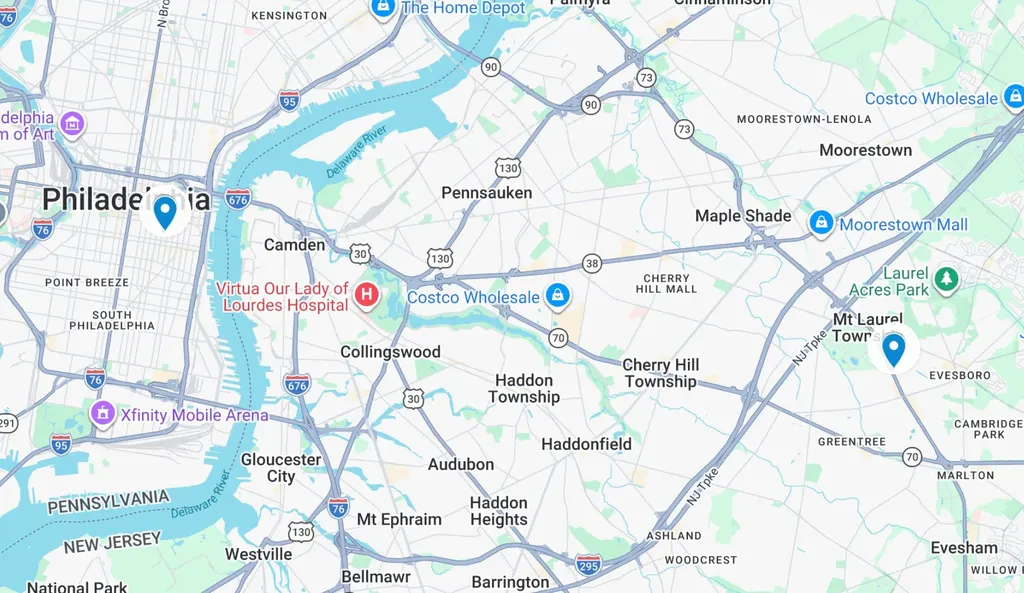
Patients considering hair restoration in Philadelphia, Cherry Hill, South Jersey, and Main Line can review our hair transplant recovery guide from surgery through 18 months.

What To Avoid During Recovery
- Tight hats, helmets, or headphones that press on the recipient area for the first 3 to 4 weeks.
- Swimming in pools, lakes, or the ocean until the scalp has fully healed, generally 4 to 6 weeks.
- Heavy weightlifting or high-intensity interval training before week 3 or 4.
- Contact sports before a plastic surgeon clears you, generally around weeks 4 to 6.
When To Contact Your Plastic Surgeon
Contact your plastic surgeon if you develop increasing redness, swelling, drainage, persistent bleeding, or worsening pain during recovery.
FUE and FUT: Does the Technique Change the Timeline?
Follicular unit extraction (FUE) and follicular unit transplantation (FUT) place grafts into the recipient area the same way and share similar recipient-site precautions. The techniques differ at the donor site: FUE uses small circular punches, while FUT uses a single linear incision closed with sutures, which needs additional care around neck and shoulder movement during early recovery.
Learn how FUE hair transplant compares to traditional FUT procedures.
Why Dr. Lo Recommends a Gradual Return to Exercise
In Dr. Lo’s experience, patients who gradually increase activity after hair transplantation heal more smoothly and experience less irritation than those who resume vigorous exercise too quickly. While every recovery is unique, a structured return-to-exercise plan helps protect grafts when they are most vulnerable.
Protect Your Hair Transplant Investment
Following exercise restrictions helps protect grafts and supports optimal hair growth. Dr. Adrian Lo, M.D., FACS, FRCS(C), is double board-certified, has more than three decades of surgical experience, and provides every hair restoration patient with individualized recovery and follow-up care instructions to maximize long-term results.
If you are considering hair restoration in Philadelphia, PA, or Cherry Hill, NJ, schedule a consultation with Dr. Lo to discuss your treatment options and receive a personalized recovery plan.
Schedule a consultation with Dr. Lo to build a recovery plan personalized to your case.
FAQs
How Soon Can I Walk After a Hair Transplant?
Light walking is generally appropriate within two to three days after surgery, as long as it does not cause sweating or raise your heart rate.
Can I Lift Weights Two Weeks After a Hair Transplant?
It is advised to wait until week three or four to lift weights, since heavier lifts raise blood pressure more sharply than light cardio.
Is Running Safe After a Hair Transplant?
Light jogging is often allowed around two weeks after surgery, once early healing is underway, but a plastic surgeon should approve it first.
When Can I Swim After a Hair Transplant?
Swimming is generally deferred for four to six weeks because pools, lakes, and open water raise the risk of infection at healing graft sites.
Does Returning To Exercise Too Soon Affect Hair Transplant Results?
Exercising before grafts are secured can increase the risk of graft displacement or irritation at the recipient site, so standard post-operative care includes a staged return to activity.
Can Sweating Damage Hair Transplant Grafts?
Excessive sweating during the first one to two weeks may irritate healing graft sites and increase the risk of complications. Patients should avoid strenuous exercise until their surgeon clears them.
Can I Go To The Gym After FUE?
Most patients undergoing FUE can start light cardio after about two weeks and return to more intense workouts around four weeks, depending on healing progress and their surgeon’s recommendations.