


Medically Reviewed By: Dr. Adrian Lo, M.D., FACS, FRCS(C)
Most patients return to desk work within one week after gynecomastia surgery, resume exercise within two to four weeks, and return to unrestricted activity by four to six weeks. Although improvement is visible within the first month, final results develop over six to twelve months as swelling resolves and tissues fully heal.
Gynecomastia surgery recovery time depends on the procedure performed, the amount of glandular tissue removed, whether liposuction or excision is performed, and adherence to post-operative instructions.
Dr. Adrian Lo, M.D., FACS, FRCS(C), a double board-certified plastic surgeon in Philadelphia and Cherry Hill since 1991, personally guides patients through every stage of gynecomastia surgery recovery, from consultation through final healing and results.
Key Takeaways
- Most patients return to light work within one to two weeks after a gynecomastia procedure.
- Most patients resume progressive exercise by two to three weeks and return to unrestricted activity by four to six weeks, depending on healing progress and surgeon clearance.
- Early chest shape and contour are often visible within 1 month.
- Final chest contour becomes visible between six and 12 months as residual swelling resolves and tissues fully remodel.
- Recovery time depends on the surgical technique used, the amount of tissue removed, and how closely you follow post-operative instructions.
- Dr. Adrian Lo personally guides each patient through recovery, from consultation through final results.
Gynecomastia Surgery Recovery Time: Week by Week
The table below outlines the typical recovery timeline. Individual recovery varies.
| Stage | Recovery Milestones & Activity Guidelines |
| Days 1–3 | Rest as needed, with early ambulation right after surgery. Compression garment worn continuously. Swelling and bruising peak. Gentle range of motion of your arms. |
| Day 2–3 | First follow-up visit. Surgical drains are removed. Showering is permitted. |
| Week 1–2 | Return to light, non-physical work. Jobs with heavier lifting or strain may need two to three weeks off. |
| Weeks 2–3 | Bruising fades substantially. Low-impact movement, such as brisk walking, is encouraged. Start chest workouts to shape the chest and tighten skin. Lower body and abdominal workouts may also be started. |
| Weeks 3–6 | Increase cardio and upper-body resistance exercise. Back to full normal activity. Early chest shape and contour are being appreciated. |
| Weeks 4-6 | Compression garments are typically discontinued. |
| Months 3 to 12 months | Final chest contour becomes visible as the remaining swelling fully resolves and all healing has completed |
The First 3 Days After Gynecomastia Surgery
During this early recovery phase, focus on rest and start ambulating soon after surgery. Mild swelling, bruising, and chest tightness are normal during healing, not signs of a problem. A compression garment controls swelling and helps the chest settle into its new contour.
Mild to moderate discomfort during the first several days is typically well controlled with over-the-counter medication. Avoid straining, bending, and lifting, which may increase swelling or bleeding.
Week 1: Early Healing and Your First Follow-Up
Your first follow-up visit usually occurs between days two and three. At this visit, your plastic surgeon evaluates the surgical incision, your chest contour, and removes surgical drains, if needed. You may shower once the drains are removed.
Many patients return to desk-based work within three to seven days, while physically demanding jobs may require additional recovery time.
Weeks 2 to 3: Swelling Fades and Activity Increases
Bruising typically resolves within two to three weeks while swelling continues to improve. A 2025 study published in Annals of Plastic Surgery found that gynecomastia patients reported feeling back to normal after an average of 2.3 weeks.
Dr. Lo’s structured recovery supports chest contouring, encourages skin contraction, and helps optimize aesthetic outcomes. Chest-focused exercises are often introduced around two weeks when healing is progressing appropriately.
Weeks 3 to 6: Returning to Exercise
Gradually increase cardiovascular and resistance training under guidance to help patients safely return to full activity.
Avoid sun exposure over the incision area for about four weeks, as UV exposure can darken the incision line or make it more noticeable.
Week 4 to 6: Returning to Normal Activities
By four to six weeks, compression garments are typically discontinued, and most patients have resumed full activity. Chest definition becomes increasingly visible as swelling subsides and tissues settle into their new contour. The incision line continues to soften and fade over the following months.
Months 3 to 12: When Final Results Appear
Swelling gradually resolves, and the final chest contour typically becomes visible between six and twelve months. Gynecomastia surgery results are considered permanent. Rarely, some patients may require a secondary procedure to refine their outcome. Temporary numbness or altered sensation near the surgical incision is common and typically improves within a year.

5 Factors That Affect Gynecomastia Recovery Time
Every patient heals at a different pace. Recovery varies based on several factors, including:
- Surgical technique: liposuction for gynecomastia often involves less recovery time than gland excision or combined liposuction-excision techniques.
- The amount of glandular tissue, fat, and skin removed.
- Age and skin elasticity, which affect how quickly the chest tightens after tissue is removed.
- How closely you follow activity restrictions and compression garment guidance.
- Individual healing response, which varies from patient to patient.
Recovery Do’s and Don’ts
| Do | Avoid |
| Wear the compression garment as directed | Discontinuing the compression garment earlier than advised |
| Sleep with the upper body slightly elevated | Sleeping face-down during early recovery |
| Stay hydrated and eat a nutritious, protein-rich diet | Alcohol, which can thin the blood and interfere with medication, and smoking, which impairs healing (stop at least two weeks before surgery and for 2 weeks after surgery) |
| Take all medications as recommended | NSAIDs or blood-thinning supplements unless approved by your plastic surgeon |
| Begin walking right after surgery on Day 1 to support circulation | Strenuous lifting, chest exercises, or activity that raises heart rate before clearance |
| Attend scheduled follow-up appointment | Submerging surgical incisions in pools, hot tubs, or baths until cleared |
Normal Symptoms During Gynecomastia Recovery
- Bruising, swelling, and tightness around the chest
- Mild-to-moderate soreness managed with recommended medication
- Itching around surgical incisions as they heal
- Numbness of the chest skin
Signs You Should Contact Your Plastic Surgeon
- A fever above 101°F, which may indicate infection
- Increasing redness, warmth, or hardness around a surgical incision
- Foul-smelling discharge from any incision site
- A sudden increase in pain that medication does not address
- In the above 2025 published outcome study, gynecomastia patients rated their pain an average of 4.9 out of 10
- One side of the chest becoming noticeably more swollen than the other
- Numbness, tingling, or circulation problems related to the compression garment
How Dr. Lo Supports Recovery in Philadelphia and Cherry Hill
Dr. Adrian Lo has won several awards, including America’s Best Plastic Surgeon by Newsweek multiple times, and has been named a “Top Doc” by Philadelphia Magazine and South Jersey Magazine.
Men considering gynecomastia surgery want more than a flatter chest. They want a smooth recovery, expert care, and natural-looking results. With more than 30 years of experience and over 1,000 gynecomastia surgeries performed, Dr. Adrian Lo develops a personalized recovery plan for each patient, provides physician-anesthesiologist care at Pennsylvania Hospital Tuttleman Surgery Center, and maintains close postoperative follow-up. This comprehensive approach helps patients recover confidently while maximizing their outcome.
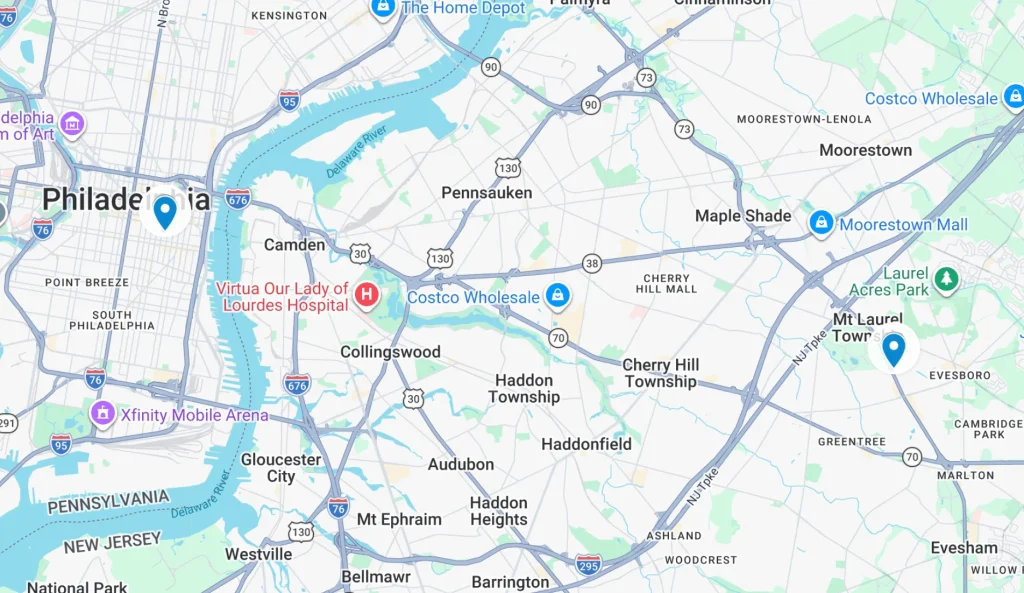
Patients throughout Philadelphia, Cherry Hill, South Jersey, the Main Line, Bucks County, and Delaware frequently travel to Dr. Lo for gynecomastia surgery because of his experience treating a wide range of gynecomastia grades and chest contour concerns.
To see real examples of his work, visit our gynecomastia before-and-after photo gallery.
If enlarged male breast tissue is affecting your confidence, schedule a consultation with Dr. Adrian Lo to learn whether gynecomastia surgery is right for you. During your consultation, you will receive a personalized surgical plan, clear expectations for your recovery timeline, and results.
Schedule a consultation with Dr. Lo to discuss your gynecomastia surgery in more detail.
FAQs
How Long Until I Can Go Back to Work After Gynecomastia Surgery?
Most patients return to desk work within one week. Physically demanding jobs that involve heavy lifting, strain, or extended arm use require additional recovery time.
When Can I Exercise Again After Gynecomastia Surgery?
Light cardio and gentle upper-body resistance training often begin around two to three weeks. Each week, patients will increase their weight training and cardio workouts as tolerated.
When Will I See My Final Results?
Early chest contour is often visible within one month, while final results develop six to twelve months after surgery.
Is Gynecomastia Surgery Recovery Painful?
Most patients describe mild to moderate discomfort in the first week, well controlled with over-the-counter medication. Report severe or worsening pain to your plastic surgeon.