

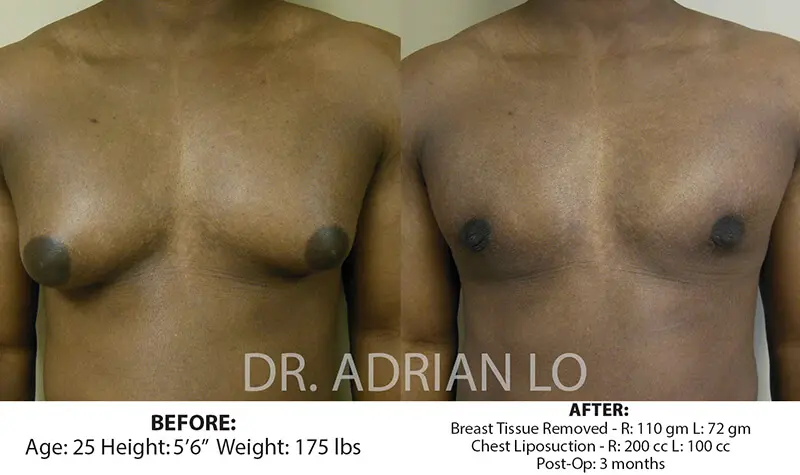
Wondering “is gynecomastia surgery permanent?” The answer is yes, gynecomastia surgery is generally permanent. During male breast reduction surgery, excess glandular tissue and fat are removed. Because glandular tissue does not regenerate, results typically last for decades when hormone levels remain stable, and you avoid significant weight gain.
However, new breast tissue can develop in rare circumstances due to hormonal imbalances, anabolic steroid use, certain medications, or significant weight gain after surgery.
Medications are a more common factor than most realize; according to Endotext (NCBI Bookshelf, NIH), about 20% of gynecomastia cases are associated with medications or external chemical exposure highlighting the importance of addressing underlying causes before surgery to achieve lasting results.
Male breast reduction produces permanent gynecomastia surgery results in patients with a stable hormonal profile and a commitment to maintaining stable weight after surgery.
If you’re considering gynecomastia surgery, schedule a consultation with Dr. Adrian Lo, a double board-certified plastic surgeon with over 30 years of experience who has treated over 1000 gynecomastia patients.
Is Gynecomastia Surgery Permanent and Can It Return?
Gynecomastia surgery is considered permanent, but recurrence can occur and is uncommon.
Most post-surgical gynecomastia recurrence is not true gynecomastia recurrence. Most cases are actually pseudogynecomastia where fat accumulates in the chest following weight gain, mimicking recurrence.
True recurrence occurs when a new hormone trigger causes regrowth of breast tissue after gynecomastia surgery. The tissue removed during male breast reduction does not grow back.
Factors That Increase the Risk of Breast Tissue Growing Back
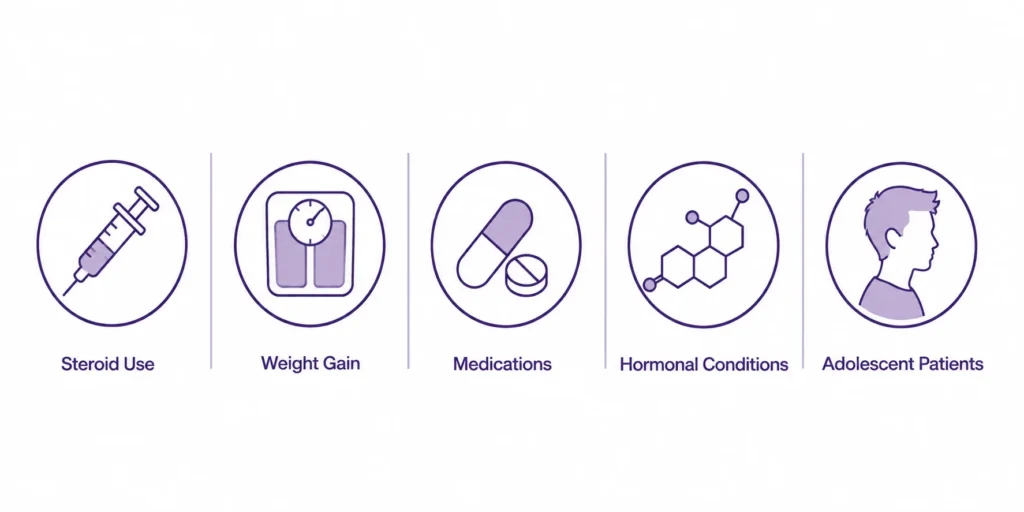
Several risk factors are linked to unwanted regrowth of breast tissue after gynecomastia surgery. Patients who understand these risks before the procedure are better positioned for lasting results.
Anabolic steroid and testosterone supplement use. Anabolic steroids and exogenous testosterone convert to estrogen in the body through a process called aromatization. Elevated estrogen levels can stimulate breast tissue growth, making ongoing steroid use one of the leading causes of post-surgical recurrence.
Significant weight gain after surgery. Substantial weight gain can create a fuller chest appearance that resembles gynecomastia. This is usually pseudogynecomastia rather than regrowth of glandular tissue.
Medications known to stimulate breast tissue growth. Medications associated with gynecomastia include spironolactone, anti-androgens such as flutamide and bicalutamide, finasteride and dutasteride, ketoconazole, and certain cardiac, psychiatric, and anti-retroviral medications.
Unresolved hormonal conditions can disrupt the estrogen-to-testosterone balance, creating a hormonal environment that stimulates new breast tissue development. Examples include hypogonadism, Klinefelter syndrome, hyperthyroidism, liver disease, renal failure, and hormone-secreting tumors.
Addressing these conditions before surgery helps maximize long-term success.
Adolescent patients with developing hormonal systems. Because adolescents’ hormonal systems are still maturing, they carry a higher risk of recurrence compared to adult patients. According to Endotext (NCBI Bookshelf, NIH), delay surgery for pubertal gynecomastia until puberty is complete and hormonal development has stabilized to reduce recurrence risk.
What Does Long-Term Success Look Like, Even 10+ Years Later?
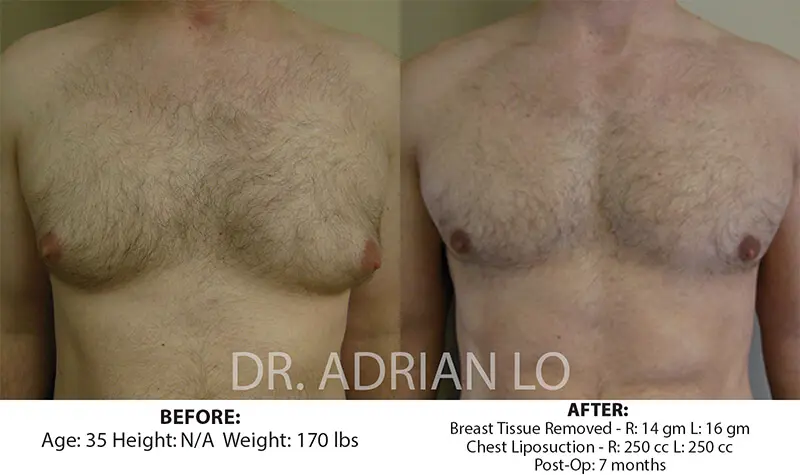
Long-term success is most common in patients who maintain stable body weight and avoid hormonal triggers.
A long-term study of nearly 14 years in Aesthetic Plastic Surgery (Fricke et al., 2017) found lower recurrence rates in glandular gynecomastia (12.5%) than fat-based gynecomastia (62.5%), suggesting the type of tissue removed may influence durability of surgical results.
How to Maintain Permanent Gynecomastia Surgery Results
To maintain your results:
- Maintain a stable weight
- Exercise regularly
- Avoid anabolic steroids
- Monitor testosterone supplementation carefully
- Address hormonal imbalances
- Follow your surgeon’s post-operative and follow-up recommendations
These habits support lasting chest contour improvement.
Why Choose Dr. Adrian Lo for Gynecomastia Surgery?
Successful gynecomastia treatment requires more than simply removing tissue. Achieving a flat, masculine chest contour while minimizing scarring demands extensive surgical expertise and aesthetic judgment.
Dr. Adrian Lo is a double board-certified plastic surgeon with 30+ years of experience who has treated over 1,000 gynecomastia patients. His approach focuses on natural-looking results, minimal scarring, and long-term patient satisfaction.
Take the Next Step Toward Lasting Gynecomastia Results
Gynecomastia surgery is a permanent solution for most patients, provided the underlying causes are addressed and you maintain a healthy lifestyle afterward. Hormonal stability, weight management, and avoiding known recurrence triggers are what separate lasting results from those that require revision.
Ready to discuss your goals and receive a personalized treatment plan?

FAQs about Gynecomastia Results
Common questions about gynecomastia results:
Can Gynecomastia Come Back Years After Surgery?
Yes, but it is uncommon. Glandular gynecomastia recurs far less often than fat-based or pseudogynecomastia. Most patients who remain gynecomastia-free at five years continue to see stable results for a decade or more.
Does Gynecomastia Surgery Leave a Scar?
Yes, small incisions are placed around the areola or in discreet locations, usually fade considerably over time, and are nearly invisible.
How Do I Know if My Results Are Permanent or if I Have Pseudogynecomastia?
Permanent results come from removing gland tissue and fat, which cannot return. Chest fullness that reappears after weight gain is more likely pseudogynecomastia, a fat buildup rather than true regrowth.
Can Gynecomastia Come Back After Weight Loss and Then Weight Gain?
Yes. Fluctuating weight can cause new fat to accumulate in the chest. Maintaining a stable weight after recovery is the most effective way to protect results.
Does Gynecomastia Surgery Remove the Gland Completely?
Surgeons typically remove the excess glandular tissue causing gynecomastia during surgery. A small amount of tissue may be left beneath the nipple to maintain a natural chest contour.