
Medically Reviewed By: Dr. Adrian Lo, M.D., FACS, FRCS(C)
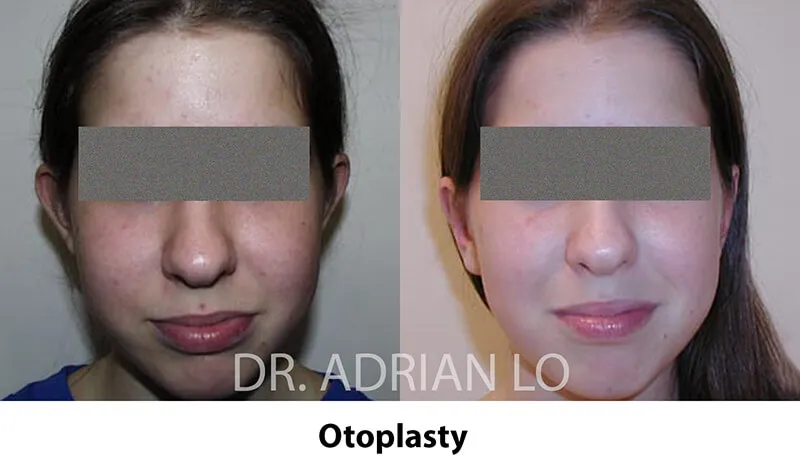
You may be a good candidate for otoplasty (ear pinning surgery) if you:
- Are bothered by:
- Ears that stick out more than about 2 cm (roughly ¾-inch) from the side of your head
- Asymmetrical ears
- Ears that lack a natural upper fold
- Want a permanent improvement in ear shape or position
- Are age 5 or older and have adequately developed ear cartilage
- Have realistic expectations
- Are healthy and do not smoke
Otoplasty can correct prominent ears, asymmetry, missing ear folds, and select earlobe concerns to create a balanced, natural-looking appearance. The best way to determine candidacy is through a consultation with a board-certified plastic surgeon.
The American Society of Plastic Surgeons (ASPS) states children are generally ready for ear surgery around age 5, once the ear cartilage is stable enough for correction. At the same time, teenagers and adults qualify based on their health, outlook, and smoking status rather than age.
Patients considering otoplasty in Philadelphia often seek treatment for prominent ears, asymmetry, or underdeveloped ear folds that affect facial balance and confidence.
When Ear Surgery Makes Sense: Real Situations Patients Describe
Reasons patients seek consultation:
- You avoid short haircuts or wear your hair to hide prominent ears
- You feel self-conscious about your ears and avoid front-facing photos or social situations.
- You are bothered by ears that appear folded or flat instead of curved.
- You are concerned one ear sits noticeably farther from your head than the other.
Physical Signs That You Are a Good Candidate for Otoplasty
Signs that make you a good patient for otoplasty include:
- Ears that protrude more than about 2 cm from the head
- A flat or missing upper fold in the curved ridge (antihelical fold) of the upper ear causing the upper ear to tip outward or forward.
- A deep inner bowl, or cup-shaped area (concha), that pushes the ear away from the head.
Health, Lifestyle, and Mindset Requirements
According to ASPS, ideal otoplasty candidates are healthy, have realistic expectations, and do not smoke. Smoking reduces blood flow, increasing the risk of complications, so patients should stop smoking before surgery and throughout recovery.
For a week-by-week view, see our otoplasty recovery timeline.
When Otoplasty Is Not the Right Fit
Otoplasty is generally not the right choice for:
- Young children whose ear cartilage is not yet stable enough to hold a new shape.
- Smokers who are unwilling or unable to stop before and after surgery.
- Anyone with an uncontrolled health condition that impairs healing, or with untreated chronic ear infections.
- Anyone being pressured into surgery by a parent, partner, or friend.
- Anyone expecting perfectly identical ears or for surgery to resolve concerns unrelated to ear appearance.
Is there a non-surgical alternative to ear pinning?
- For newborns, ear molding can reshape cartilage using a small splint during the first weeks of life, when the ears are still highly moldable.
- For older children, teenagers, and adults, no non-surgical treatment can permanently reshape ear cartilage.
A Quick Self-Assessment Before You Book
Ask yourself:
- Do my ears make me feel self-conscious?
- Am I pursuing surgery for myself?
- Am I in good general health and a non-smoker?
- Can I take about a week off and follow recovery instructions?
- Do I understand that the goal is natural, balanced ears, not perfect symmetry?
Your answers point to a clear next step:
- Mostly yes: You may be a good otoplasty candidate and may benefit from a consultation.
- You smoke or have a health condition: Address these concerns before pursuing surgery.
- You are unsure whether this is your own decision: Consider waiting until you feel confident the decision is your own.
- You are the parent of a newborn: Ask your pediatrician about ear molding or a referral to pediatric plastic surgery.
Find Out Where You Stand: Book Your Ear Surgery Consultation
The best way to determine candidacy is through a consultation.
Patients throughout Philadelphia, Cherry Hill, South Jersey, and the Main Line seek otoplasty to improve ear prominence and facial balance. Dr. Adrian Lo is a double board-certified plastic surgeon with craniofacial training and more than 30 years of experience who customizes each otoplasty procedure to the patient's anatomy and goals.
During your consultation, Dr. Adrian Lo will evaluate your ear anatomy, discuss your goals, and determine whether otoplasty can provide the balanced, natural-looking improvement you are seeking.
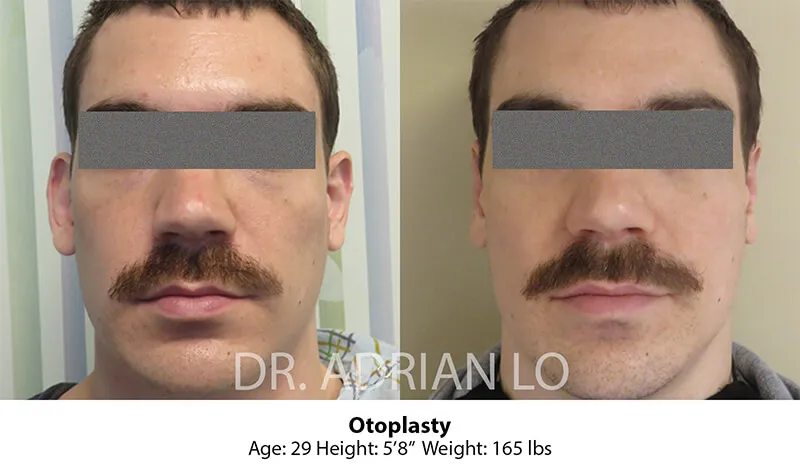
See results from real patients in our otoplasty before-and-after photo gallery.
Call (215) 829-6900 or schedule a consultation to learn whether otoplasty can help you achieve a more balanced, natural-looking appearance.

FAQs about Otoplasty
Who is a Good Candidate for Ear Pinning Surgery?
Healthy children over age 5, teenagers, and adults with prominent ears, asymmetry, or underdeveloped ear folds are often excellent candidates for ear pinning surgery.
What Age is Best for Ear Pinning Surgery?
Many children undergo otoplasty around age 5 or 6, once ear growth is largely complete. Adults can have otoplasty at virtually any age if they are healthy enough for surgery.
Can Otoplasty Be Performed on One Ear?
Yes. Otoplasty can be performed on one ear when asymmetry is the primary concern. We evaluate both ears to ensure balanced, natural-looking results.
Will My Child Outgrow Prominent Ears?
No. Once ears reach adult size, prominent ears generally do not correct themselves over time. This is one reason otoplasty is often performed after age 5, when ear growth is largely complete.