


Hair transplant surgery can be a worthwhile investment for a long-term solution for hair loss. However, the right decision depends on factors such as the stage of hair loss, budget and realistic expectations.
With patient satisfaction rates reported between 90-95%, modern hair restoration offers natural-looking permanent results. The procedure uses your own DHT-resistant hair follicles, typically resulting in long-lasting, permanent natural-looking results improving confidence and appearance. Most patients begin seeing new growth within 3-4 months, with full results appearing over 9-12 months.
Results vary based upon donor hair quality, technique and provider experience. Cost for hair restoration typically ranges from $8,000 to $18,000, and it is usually worth it for people with stable hair loss and realistic expectations. Not everyone is an ideal candidate, It may not be appropriate for those with advanced baldness or rapidly progressing hair loss.
This guide examines the real pros, cons, costs and success rates so you can confidently decide if hair transplant surgery is worth it for you.
Is Hair Transplant Surgery Worth It? What the Data Says
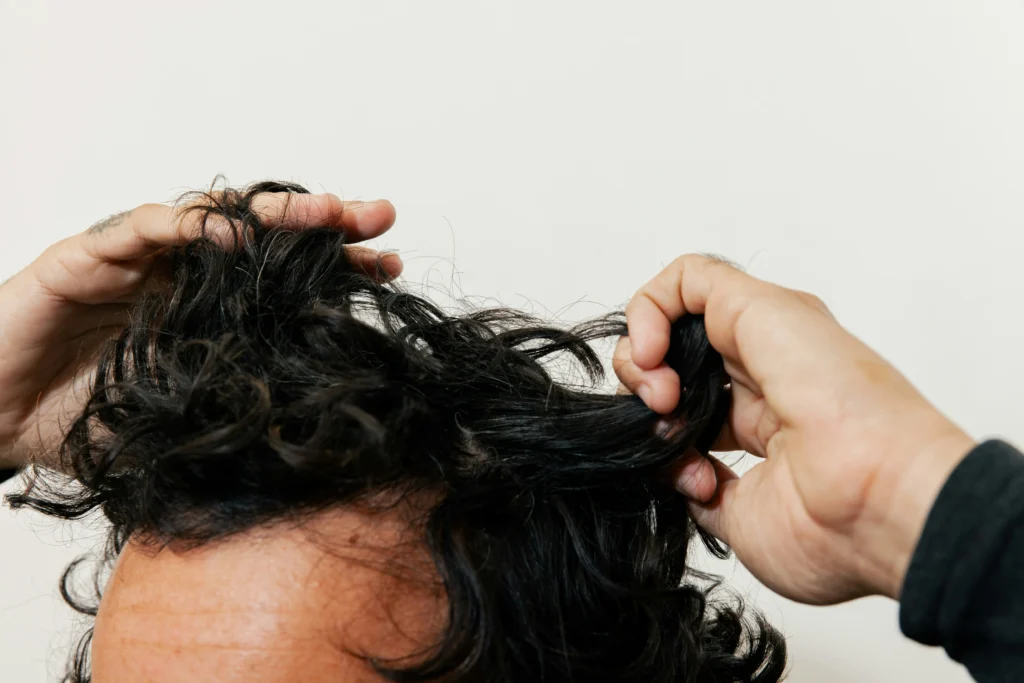
Hair transplant procedures consistently rank among the highest-rated cosmetic treatments for patient satisfaction.
Recent data from the International Society of Hair Restoration Surgery (ISHRS) suggests that most patients believe hair transplant surgery is worth the investment. Reported satisfaction rates are estimated between 90% and 95%, making hair restoration one of the highest-rated cosmetic procedures for patient satisfaction.
The demand for hair transplants also continues to rise. ISHRS physicians reported a 20% increase in patients since 2021, showing that more people are turning to surgical hair restoration for long-term results.
For many patients, the benefits go beyond appearance alone. According to the ISHRS:
- 90% of patients pursued treatment to feel more attractive
- 63% wanted to appear younger and remain competitive professionally
- 44% said they planned to openly tell others they had a hair transplant
These trends highlight a key takeaway: hair restoration provides a confidence boost to many patients after restoring their hairline or hair density.
At the same time, the data also shows why realistic expectations matter and results require patience:
- About 33.1% of patients required a second procedures
- Around 9.6% needed three or more to achieve their desired coverage.
- The average first procedure involved approximately 2,300 grafts.
Bottom line: Hair transplant surgery is often worth it; however it is important to understand it is a process and requires time to see the final result.
The ISHRS also warns patients to be careful when choosing a clinic. About 59% of surgeons reported black-market or unlicensed clinics operating in their cities, and repair procedures from poorly performed transplants increased from 6% to 10% in recent years. This reinforces the importance of choosing an experienced, reputable surgeon like Dr. Adrian Lo, rather than focusing only on price.
Wondering when to get a hair transplant? Read this guide to find out!
The Real Benefits of Hair Transplant Surgery
Hair transplant surgery offers several meaningful benefits that separate it from temporary solutions.

Permanent, Natural-Looking Results
Transplanted hair follicles are resistant to dihydrotestosterone (DHT), the hormone responsible for pattern hair loss. Because of this, the results are generally long-lasting and permanent in most cases. Once the follicles establish themselves, the hair will grow, style, and behave naturally.
Advanced Modern Techniques (FUE and ARTAS®) Create More Precise Results
Modern advancements in FUE (Follicular Unit Extraction) techniques allow refined graft harvesting and placement, especially when used with the ARTAS® robotic system.
- Precise graft harvesting and placement
- Prevention of donor site overharvesting
- Improved donor aesthetics and minimized scarring
- Natural hairline design
- More precise graft placement for optimized hair density
- Faster recovery compared to FUT (strip surgery)
Natural Appearance Using Your Own Hair Donor Follicles
Unlike hairpieces or fiber concealers, a hair transplant uses your real hair. The texture, color, and growth pattern match naturally.
Low Long-Term Maintenance
Once healed, transplanted hair requires no special maintenance beyond standard hair care.
At the practice of Dr. Adrian Lo, a holistic approach is taken to optimize hair transplant outcomes. Oral medications and vitamins may be recommended to promote hair growth and minimize hair loss.
Confidence and Psychological Benefits
Research consistently links hair restoration to improvements in self-esteem and social confidence. For patients who have experienced hair loss for years, the psychological return on investment is often as meaningful as the physical result of a more youthful, refreshed appearance.
Long Term Value: One-Time Investment vs. Ongoing Costs
Are hair transplants worth it financially? For patients who currently spend on hair systems, concealers, hairpieces, or medications, the cost of a transplant can pay for itself over time. It is a single investment rather than an indefinite monthly expense.
The Cons to Consider Before Deciding
A balanced assessment requires acknowledging the limitations and risks alongside the benefits.

Upfront Cost
Hair transplants are rarely covered by insurance and are an out-of-pocket expense. Costs vary considerably depending on the technique used, the number of grafts required, and the surgeon’s experience and typically range from $8,000-$18,000. Are hair transplants worth the price? That is a personal decision depending on your financial situation and how much value you place on a permanent solution.
Recovery and Downtime
How long does it take to recover from a hair transplant?
Most patients experience:
- Redness, swelling, and scabbing in the first 7 to 14 days.
- Most patients return to normal daily activities within several days
- Exercise is usually restricted for about two weeks.
At Dr. Lo’s practice, we provide a comprehensive recovery plan. Almost all patients reported that recovery was relatively easy, with most returning to work within a few days.
Related: How Long Does Hair Transplant Surgery Take?
Results Take Time
- Shock loss, the temporary shedding of transplanted hairs, is normal and occurs in the 2 to 3 weeks following surgery.
- Visible growth begins at 3 to 4 months
- Full results take up to 12 months
Not Everyone Is a Candidate
You may not qualify for hair transplant surgery if you have:
- Advanced or rapidly progressing hair loss
- Limited donor density
- Diffuse unpatterned alopecia
- Certain medical conditions
A thorough evaluation by a qualified plastic surgeon is necessary before moving forward.
Risk of Complications
Hair transplant surgery carries risks that every patient should understand before committing. Infection, unnatural hairline placement, and visible scarring are all possibilities, particularly when the procedure is performed by an inexperienced surgeon. While complications are uncommon, they require prompt attention when they arise.
Selecting a highly qualified plastic surgeon and following all post-operative instructions minimizes these risks.
| Pros | Cons |
| Permanent results from DHT-resistant follicles | Higher upfront cost with no insurance coverage |
| Looks and feels like natural hair – uses your own hair | Nine to twelve months before full results are visible |
| Minimal maintenance | Not suitable for all hair loss stages or types |
| One-time investment vs. recurring product costs | Risk of complications if surgeon is underqualified |
| Improved confidence and quality of life | Temporary shock loss and shedding phase post-procedure |
Is Hair Transplant Surgery Right for You? How to Know Before You Commit

Hair transplant surgery is best suited for patients with stable hair loss patterns, realistic expectations, and adequate donor density. Understanding these factors before scheduling a consultation helps you make a more informed decision.
The Ideal Candidate Profile
- Stable hair loss: Norwood scale stages 3 to 5, meaning they have noticeable but not fully advanced hair loss.
- Adequate donor hair density at the back and sides of the scalp.
- Realistic expectations.
- Good overall health.
Who Should Wait or Reconsider
- Very young patients whose hair loss is still progressing are generally advised to wait. Operating on an unstable hair loss pattern can result in an unnatural appearance as the surrounding hair continues to thin.
- Patients with diffuse unpatterned alopecia may not have sufficient donor supply to achieve meaningful results.
Learn more about who is not a good candidate for a hair transplant here.
FUE vs. FUT: Which is Worth It? A Brief Consideration
Is a FUE hair transplant worth the price compared to FUT?
FUE (Follicular Unit Extraction):
- Minimally invasive: involves extracting individual follicles
- No liner scar
- Faster recovery
FUT (Strip Method):
- Removes a strip of scalp
- Typically allows for more grafts in a single session
- Leaves a linear scar where hair can not grow
Whether one method is worth the price difference depends on your anatomy, hair loss extent, and how you feel about a linear surgical incision.
Final Verdict: Is Hair Transplant Surgery Worth It?
For the right candidate, hair transplant surgery is one of the most effective and permanent solutions for hair loss.
It is typically worth it if you:
- Have stable hair loss
- Have sufficient donor hair
- Want natural, long-term results
- Are prepared for the investment and timeline
The Role of a Qualified Consultation
Whether hair transplant surgery is worth it for you is a question a qualified plastic surgeon can help answer in person. A consultation allows scalp assessment, evaluation of donor density, and honest goal-setting. To learn more about what to expect, review the consultation process at Dr. Lo’s practice.
Still Wondering? Learn More at Your Personalized Consultation

Deciding whether to pursue hair transplant surgery means weighing real, lasting benefits against tradeoffs, including recovery time, upfront cost, and the possibility of needing more than one session. For patients with stable hair loss, adequate donor density, and honest expectations, the procedure offers one of the most permanent, natural-looking solutions available.
The best way to determine if a hair transplant is right for you is through a personalized consultation from a qualified plastic surgeon who can evaluate your specific situation.
Dr. Adrian Lo specializes in the ARTAS® robotic FUE technology to restore fuller, natural-looking hair with minimal scarring and downtime. Using a patient’s own permanent hair follicles, the procedure creates long-lasting, natural results tailored to each individual’s hair loss pattern and goals.
As an award-winning, board-certified plastic surgeon with over 30 years of experience, Dr. Lo focuses on precise graft placement, natural hairline design, and personalized treatment plans. To learn whether hair restoration is right for you, schedule a consultation with Dr. Adrian Lo in Philadelphia, Cherry Hill, and the surrounding areas. Explore your personalized treatment options today.