

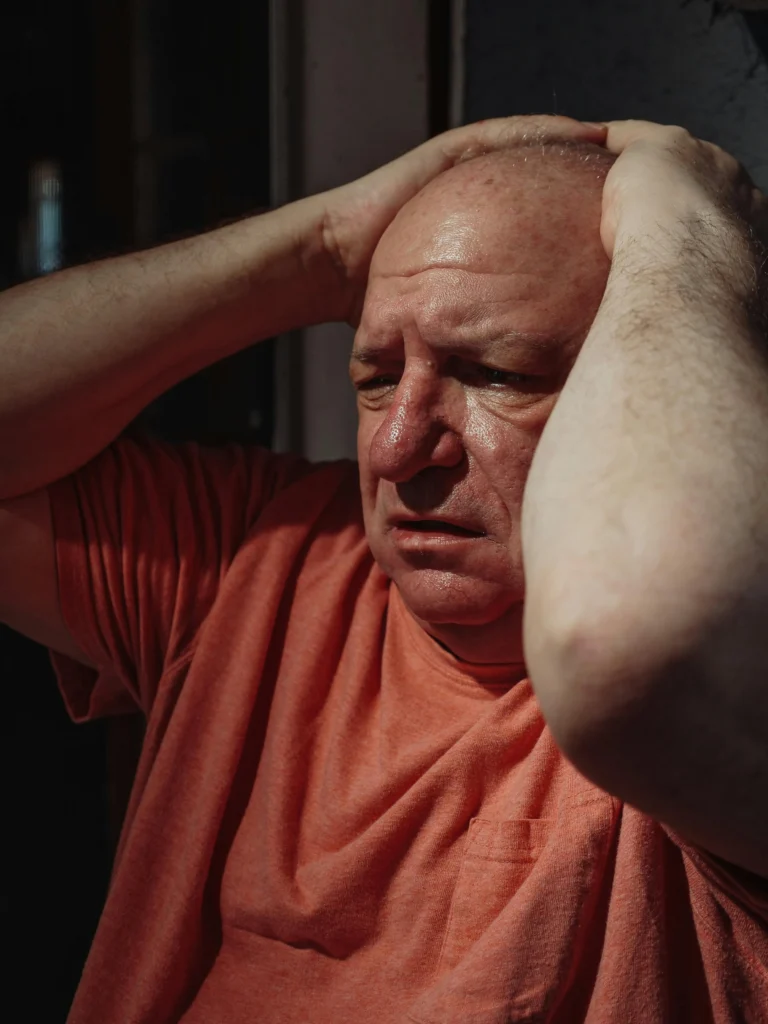
Hair transplants have helped millions of men and women restore not only their hairlines, but also their confidence. However, not everyone who wants a hair transplant is a good candidate for the procedure. In fact, proceeding without proper evaluation can lead to disappointing results or even long term complications..
Understanding who is not a good candidate for a hair transplant is just as important as understanding the procedure itself. Factors such as hair loss pattern, donor hair quality, age, medical history and expectations all play a major role in determining whether a transplant will be successful and sustainable.
Below, we will discuss the most important hair transplant candidacy considerations so approach your consultation informed, confident and prepared.
Related: When to Get a Hair Transplant: Timeline & More
Age Considerations in Hair Restoration
Age is one of the first things a surgeon evaluates when assessing candidacy. Age plays a major role in both the predictability of results and the long‑term success of hair restoration surgery.
Why Young Patients Are Often Asked to Wait
One of the most common groups not considered ideal hair transplant candidates includes men in their late teens and early twenties. At this stage, hair loss is usually still progressing.
The reason is straightforward: hair loss is progressive. Because hair loss is dynamic, performing a transplant too early can result in a hairline that looks natural today but unnatural in the future as surrounding hair continues to thin. This often leads to patchy or isolated transplanted areas that require ongoing correction.
Waiting allows both the patient and the surgeon to better understand the ultimate pattern of hair loss and develop a strategic, long-term plan that optimizes the result. This is a key reason why individuals with active, early hair loss often fall into the group of who is not a good candidate for a hair transplant.
Age Considerations for Older Patients
On the other end of the spectrum, older patients may face different challenges. While older patients can absolutely have successful hair transplants, additional factors must be evaluated. Healing capacity, overall health, scalp condition, and donor hair quality can change with age.
This doesn’t mean older patients can’t have transplants, many do with excellent results. A comprehensive medical evaluation ensures the procedure can be performed safely and that results will be consistent and lasting.
When Age Works in Your Favor
Patients in their 30s, 40s, and 50s often make the best hair transplant candidates. In general, individuals in this age group are in good health, hair loss patterns are typically more stable and predictable, expectations are realistic and the donor hair is often still strong.
This stage of life often provides the clearest roadmap for a natural, strategic result.
Medical Conditions and Hair Transplant Eligibility
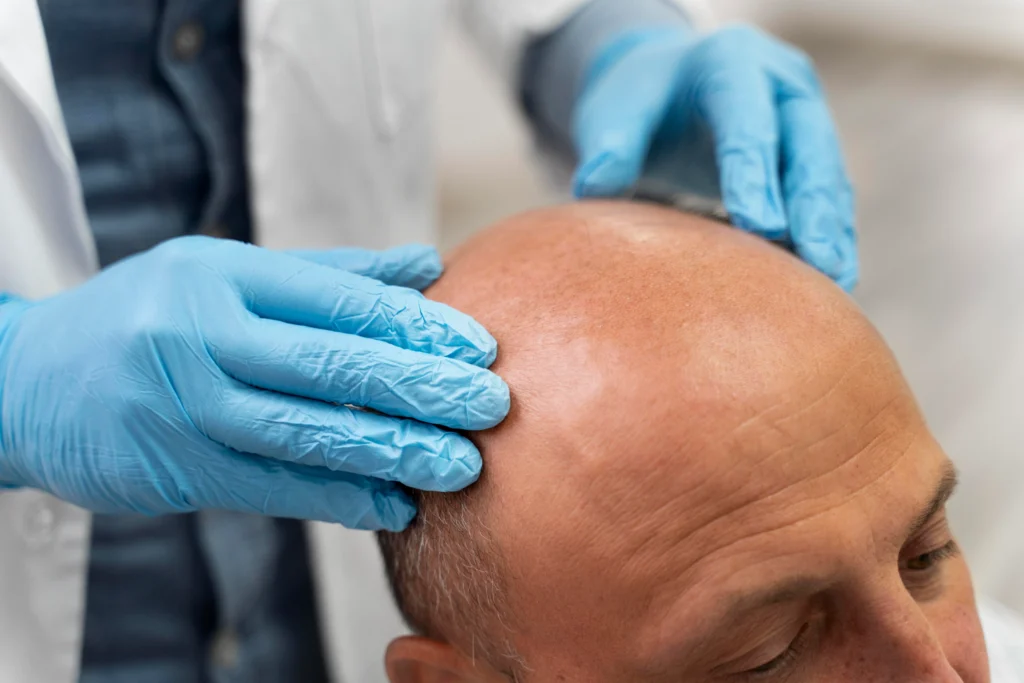
Medical history is a critical piece of determining hair transplant eligibility.
Autoimmune and Systemic Conditions
Conditions such as alopecia areata, lupus, or other autoimmune disorders can cause unpredictable hair loss. Autoimmune hair loss is not caused by the same mechanism as androgenetic alopecia (pattern baldness). The autoimmune conditions involve immune‑mediated follicle damage therefore even transplanted hair may be affected by the immune system..
In these cases, addressing the underlying condition first and stabilizing the underlying condition is essential before surgical hair restoration can be considered.
Medications That May Affect Candidacy
Certain medications, such as blood thinners or immune-suppressing medications can interfere with surgery, healing or regrowth. Full disclosure of all medications and supplements is essential to ensuring patient safety and optimal outcomes.
Scalp and Skin Conditions That Pose Challenges
Active scalp inflammation such as infections, psoriasis or seborrheic dermatitis must be treated before hair transplant surgery. Operating on a compromised scalp can reduce graft survival and increase complication risk.
Significant scarring on the scalp from prior surgeries or injuries can also affect where grafts can be placed and how successful the graft will survive.
Hair Loss Type, Diagnosis and Family History Are Important
Not all hair loss responds well to transplantation. Understanding the type, pattern, and likely progression of hair loss is essential to determining who is not a good candidate for a hair transplant.
Understanding Your Type of Hair Loss
Hair transplantation is most effective for the most common form of hair loss i.e. androgenetic alopecia (male and female pattern baldness).
Diffuse unpatterned alopecia (thinning across the entire scalp rather than in a defined pattern), scarring alopecia or medically induced hair loss may make hair transplantation difficult or less effective as the donor area may be thinning.
A professional diagnosis from a hair restoration surgeon is essential before deciding on surgery.
Why Family History Matters
Family history helps predict future hair loss. If your father and grandfather both experienced significant thinning, your pattern will likely follow a similar path.
Family history is an important consideration for transplant planning because the goal isn’t just to restore hair today but to create a result that still looks natural 10 or 20 years from now. Understanding your family history helps your surgeon design a hairline and coverage plan with long-term stability in mind.
Hair Transplant Contraindications Based on Pattern and Progression
Hair transplant contraindications exist when the pattern of hair loss is too unpredictable or too advanced for a transplant to produce a natural or lasting result.
A patient who is already at the most advanced stages of hair loss may not have enough donor hair to achieve meaningful coverage. In these cases, alternative options may be proposed to optimize realistic outcomes.
Donor Area Limitations and Advanced Hair Loss
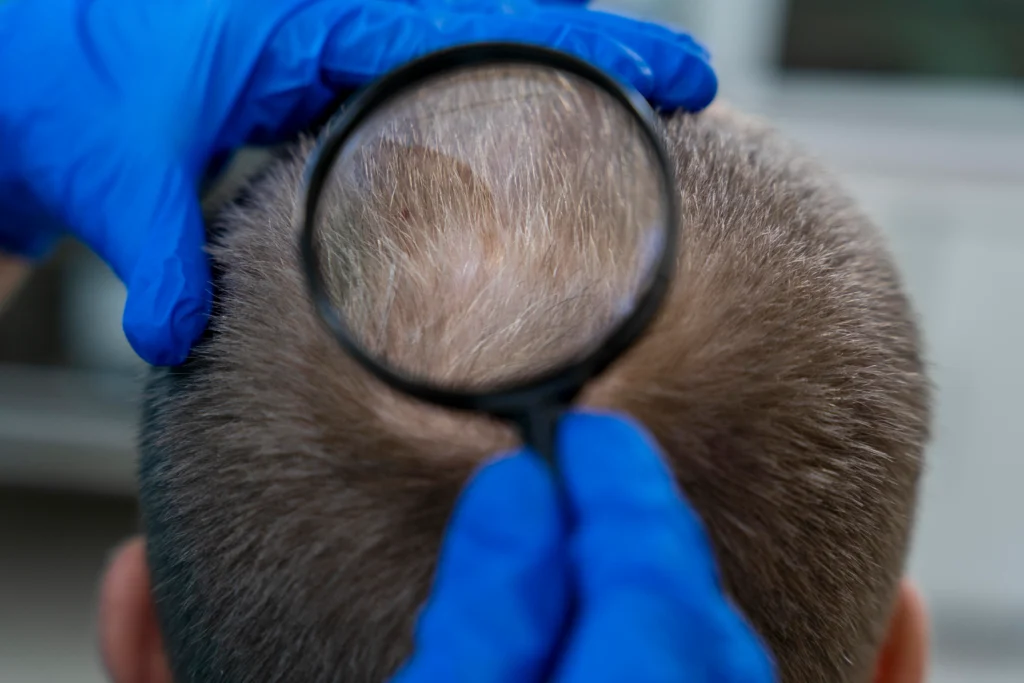
A hair transplant moves hair grafts from a donor area, typically the back and sides of the scalp, to areas of thinning or baldness. One of the most common reasons someone is not a good candidate for a hair transplant is an inadequate donor supply.
What If There Isn’t Enough Donor Hair
Donor area limitations is a common reason that someone may not be a good candidate for a hair transplant. The donor area contains a finite number of follicles. Overharvesting can permanently thin this area and create visible scarring. If donor density is not sufficient relative to the area of hair loss, results may look sparse or unnatural.
The number of grafts available in the donor zone is finite, and a good surgeon will never deplete it entirely.
Hair Density, Quality, and Visual Coverage Challenges
Beyond quantity, hair quality matters. Hair thickness, texture, curl pattern, and contrast with scalp color all affect perceived density. Finer hair provides less visual coverage per graft than coarser, darker hair. Patients with very fine hair may require a significantly higher number of grafts to achieve the same visual impact as someone with thicker hair.
Curl pattern also plays a role. Curlier hair tends to provide more coverage per graft than straight hair, which is an important factor in how realistic the final result will look.
Related: Hair Transplant for Women: Complete Restoration Guide
Goals, Expectations, and Psychological Readiness
Even patients who are medically ideal candidates can be poor surgical candidates if expectations do not align with what hair transplantation can realistically achieve.
A hair transplant:
- Does not stop future hair loss
- Does not restore teenage-level density
- Takes 12 to 18 months for final result
Patients who expect immediate transformation or perfection are often advised to delay surgery as this mindset is an indicator of who is not a good candidate for a hair transplant. The most satisfied patients understand the process and value natural, gradual improvement.
Alternative Hair Loss Treatments for Non-Candidates
Being told you’re not currently a good candidate for a hair transplant does not mean you will never be.
Non‑surgical hair restoration options include:
- FDA‑approved treatments like minoxidil and finasteride
- PRP therapy
- Low‑level laser therapy
- Scalp micropigmentation
Non-surgical hair restoration treatments can slow hair loss, improve density, and help stabilize the scalp, often making transplantation possible later.
Work With Dr. Adrian Lo to Find the Right Hair Restoration Plan
If you’re questioning whether a hair transplant is right for you or have been told elsewhere that you’re not a candidate, a consultation can provide clarity and peace of mind.
At our Philadelphia plastic surgery office, Dr. Adrian Lo takes a thoughtful, individualized approach, evaluating not just whether a transplant is possible, but whether it’s the right solution for long‑term success.
Whether surgery, medical treatment, or a combination approach makes the most sense, you’ll leave with honest guidance and a clear plan.Contact Dr. Adrian Lo’s office today to schedule your consultation and find out what’s truly possible for your hair restoration journey.