
TL;DR: A robotic hair transplant is a minimally invasive procedure that uses an AI-guided robotic system called the ARTAS to precisely extract individual hair follicles. It is a form of FUE (follicular unit extraction) that offers greater consistency than manual techniques and avoids the linear donor scar associated with FUT strip surgery.
What Is a Robotic Hair Transplant, and How Does It Differ from Other Hair Transplants?
A robotic hair transplant sits under the broader FUE hair transplantation category, but it differs in how the follicular units are harvested. Instead of relying solely on a hand‑held punch tool, the surgeon uses a machine‑vision–guided robotic arm to assist with follicle extraction.
To fully understand what makes robotic FUE distinct, it helps to compare the three primary hair transplant techniques: robotic FUE, standard manual FUE, and FUT strip surgery.
Robotic Hair Transplant vs. Manual FUE vs. FUT Hair Transplant Difference
| Factor | ARTAS Robotic FUE | Manual FUE | FUT Strip Surgery |
| Extraction method | AI robotic arm | Hand-operated tool | Strip excision |
| Donor scar | Tiny micro-dots only | Tiny micro-dots only | Permanent linear scar |
| Suitable for short hair | Yes | Yes | Limited |
| Graft transection risk | Low — no fatigue | Varies with surgeon/technician fatigue | Low (strip removed intact) |
| Graft count per session | Up to ~3,000+ | Up to ~3,000+ | Up to ~4,000+ |
| Recovery time | Fastest | Fast | Longer |
| Cost | Highest | Mid-range | Lower |
| Best for curly/coily hair | Limited AI tracking | Adaptable by surgeon | Yes |
What Is the ARTAS Robotic Hair Transplant System?

The ARTAS robotic hair transplant system is the only FDA-cleared robotic platform designed specifically for hair restoration. It combines:
- A multi-camera imaging system
- A high precision robotic arm
- Real-time AI algorithms that analyze each follicle’s angle, depth, and direction before extracting it
The current generation, ARTAS iX, adds an integrated Hair Studio design tool for on-screen hairline planning and optional robotic creation of recipient sites. Importantly, a board-certified plastic surgeon programs all parameters and oversees every stage; the robot assists, but it does not operate independently.
ARTAS vs NeoGraft Hair Transplant
These systems are frequently confused however they are fundamentally different.
- ARTAS: AI-guided robotic arm that operates under continuous surgeon oversight. ARTAS is the only system in this category with FDA clearance and peer-reviewed clinical validation.
- NeoGraft hair transplant system is a suction-assisted handheld FUE device manually operated by the physician.
Both are automated FUE technologies, but ARTAS is the only true robotic system in hair restoration.
FUE vs. FUT: The Scar Difference

The most meaningful difference between FUE and FUT hair transplants is the donor scar. FUT removes a strip of scalp, leaving a linear scar that remains visible if hair is worn short. Both robotic and manual FUE leave only scattered micro-dot wounds, making them the preferred non-linear scar hair transplant option for patients who want to wear their hair short.
Robotic FUE Hair Transplant: How the Procedure Works
A robotic FUE session typically lasts four to eight hours, depending on graft count.
Step-by-step process:
- Consultation and digital planning
Donor density, hair loss pattern, and hairline design is carefully mapped.
- Scalp preparation and anesthesia
The donor area is trimmed; local anesthetic is applied to both donor and recipient zones.
- AI follicle identification
The ARTAS system scans thousands of follicular units per second, analyzing depth, angle, and spacing between follicles.
- Robotic extraction
The arm scores and removes each unit individually, leaving microdot wounds
- Graft sorting and preservation
Grafts are meticulously sorted and stored in a temperature-controlled solution. This step is critical for maximizing graft survival rate
- Recipient site creation and implantation:
The surgeon creates sites and places grafts; angle and depth at this stage determine how natural the result will look. The robot can also be used to create recipient sites and implantation.
Robotic precision reduces graft transection (accidental cutting of a follicle during extraction) as the system maintains consistency throughout the lengthy procedure. The robotic arm does not fatigue during a multi-hour session.
Who Is a Good Candidate for Robotic Hair Transplant Surgery?
Robotic FUE is not ideal for everyone.
Strong candidates typically have:
- Androgenetic (patterned) hair loss in men or women
- Predominantly straight to wavy hair texture — ARTAS AI tracks these most accurately
- Stable, non-progressive hair loss
- Moderate-to-high donor density
- Preference for avoiding a linear donor scar
Who Is Not an Ideal Candidate for a Hair Transplant?
A less suitable candidate for hair transplant surgery may have:
- Tightly coiled or very curly hair, which curves beneath the scalp surface and is harder for the AI imaging system to track accurately; manual FUE or FUT may be preferable
- Diffuse unpatterned alopecia including donor zone thinning
- Rapidly progressing hair loss
- Insufficient donor density for the desired level of coverage
Hair texture, scalp health, donor density and long-term hair loss pattern, all factor into the decision. Only an in-person evaluation with a board-certified plastic surgeon can confirm candidacy.
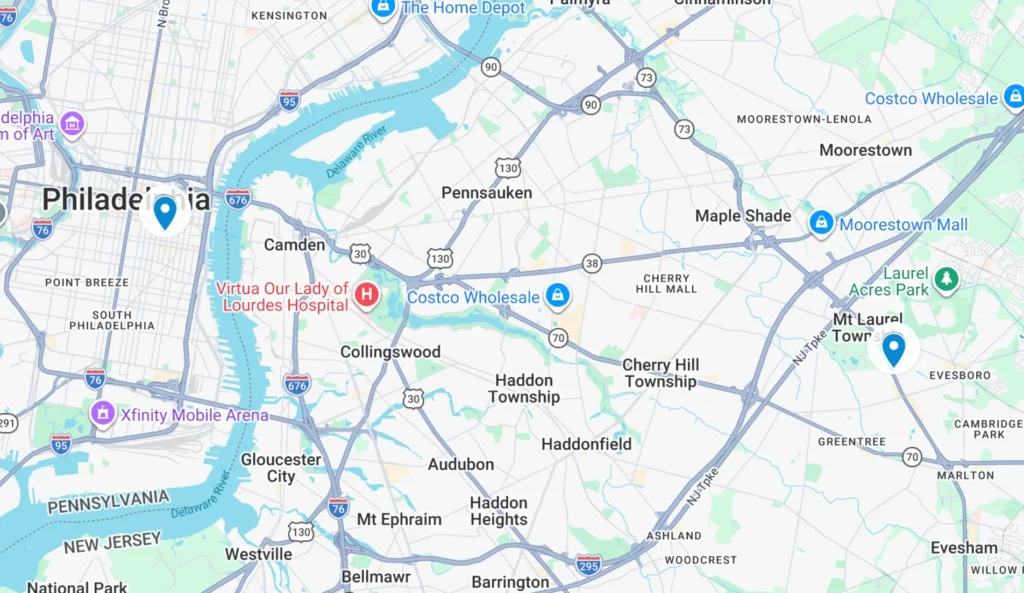
Explore the full range of cosmetic procedures available for men at our Philadelphia practice
Robotic Hair Transplant Cost
Robotic hair transplant cost typically ranges from $7,000 to $20,000+ per session.
ARTAS robotic hair transplant cost sits at the higher end of the FUE spectrum because it prioritizes outcomes, precision, and long‑term satisfaction.
The following factors are considered in hair transplant costs:
- Graft count planning: Treatment densities are tailored to maximize natural coverage and long‑lasting results. Most practices charge $5–$10 per graft
- Surgeon credentials: Procedures led by highly trained, board‑certified plastic surgeons
- Practice location: Access to leading hair restoration centers in top metropolitan markets
- Advanced robotic technology: The ARTAS system enhances accuracy, consistency, and follicle preservation throughout the procedure
- Comprehensive treatment experience: Full robotic sessions (extraction + recipient site creation) support a refined hairline design, efficient graft placement and optimal cosmetic outcomes
Hair restoration is a cosmetic procedure and not covered by insurance. Unusually low pricing can indicate compromised graft handling or less experienced teams.
Robotic Hair Transplant Results Timeline
Hair restoration results require patience. Here is what to expect:
- Weeks 1–2: Redness and scabbing at donor and recipient sites
- Weeks 3–6: Shock loss — transplanted hairs shed temporarily; this is normal, not failure
- Months 3–4: Early new growth begins, initially fine and light in color
- Months 6–9: Density becomes clearly visible
- Months 12–18: Full, permanent results
Transplanted hair is permanent because donor follicles from the back and sides of the scalp are genetically resistant to DHT, the hormone that drives pattern hair loss. That resistance is retained after transplantation.
Ready to Find Out if Robotic FUE Is Right for You?
If you’re unsure whether a hair transplant is right for you, or a previous consultation left you with questions, our Philadelphia plastic surgery practice can give you an honest assessment and answer your questions.
Dr. Adrian Lo evaluates each patient individually, carefully weighing candidacy, aesthetics, and long‑term outcomes. You will leave with a realistic plan, whether that includes surgery or another option entirely.
Contact Dr. Adrian Lo today to schedule your consultation.