

By Dr. Adrian Lo, M.D., FACS, FRCS(C)
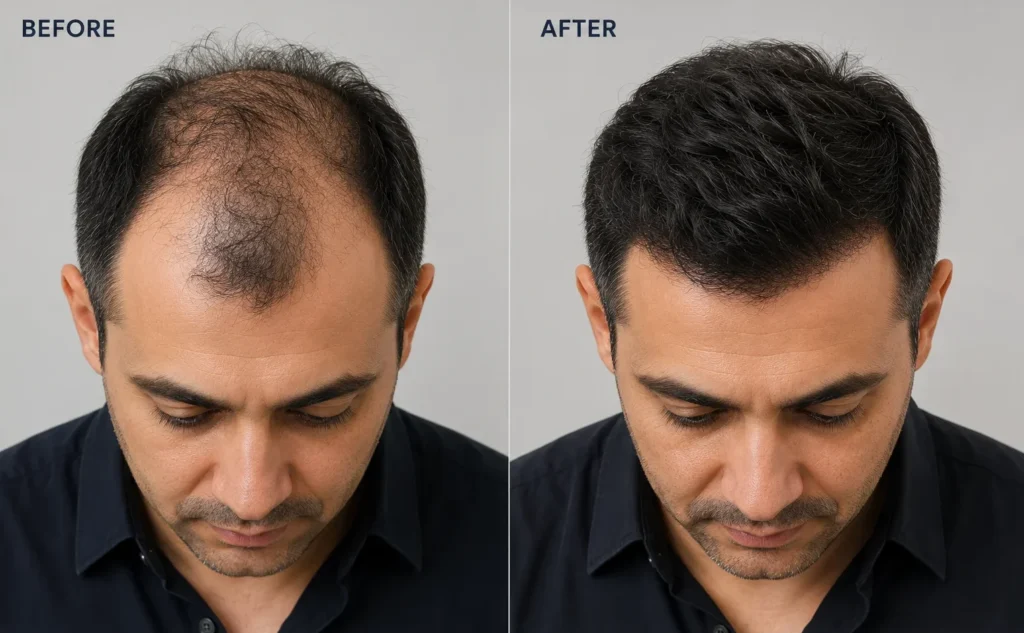
If you are wondering “Are hair transplants permanent?”, the answer is yes. In most patients, transplanted hair follicles remain permanent because they retain their natural resistance to DHT after surgery.
Hair transplants are considered a permanent solution for hair loss because the transplanted follicles typically come from areas of the scalp that are genetically resistant to DHT, the hormone responsible for male and female pattern hair loss. Once those follicles successfully heal and begin growing in their new location, they usually continue producing hair for life.
How Long Do Hair Transplants Last?
In a properly planned and executed procedure, transplanted hair follicles are intended to last a lifetime. Once a graft heals into its new location, usually within a few months, it continues to grow hair for the rest of your life, the same way it would have if it had stayed in its original spot. This is why hair transplantation is a permanent option, rather than a temporary fix like a topical medication.
There is an important distinction many patients do not realize: transplanted hair is generally permanent, but a hair transplant does not stop the natural progression of hair loss in untreated areas. While the transplanted hair can last a lifetime, surrounding native hair may continue to thin over time. This is why long-term planning, donor management, appropriate patient selection, and realistic expectations are essential to achieving natural-looking results that last for decades.
How Are Hair Transplants Permanent? The Science of Donor Dominance

The permanence of a hair transplant comes down to a concept called donor dominance. Hair follicles taken from the back and sides of the scalp, an area referred to as the permanent zone, are naturally resistant to dihydrotestosterone (DHT), the hormone responsible for androgenetic alopecia, or common pattern hair loss.
When those follicles are moved to a thinning area, they keep that resistance. Dr. Norman Orentreich first described the idea in 1959, and it remains the foundation of modern hair restoration surgery.
Put simply, a transplanted follicle retains the same genetic characteristics it had in the donor area. Relocating a follicle from the back of the scalp to your hairline does not change its resistance to DHT, which is why transplanted hair can continue growing for decades after surgery. This principle holds true whether the follicles are harvested using follicular unit extraction (FUE) or follicular unit transplantation (FUT), also called the strip method.
For most patients, a successful FUE or FUT hair transplant provides permanent hair growth because the transplanted follicles retain their natural resistance to DHT, the primary cause of male and female pattern baldness.
What “Permanent” Covers and Does Not Cover
- Transplanted follicles: Produce hair for life once healed, because they come from a DHT-resistant donor zone.
- Native or existing hair around the transplant: Remains vulnerable to DHT and can continue thinning if hair loss is not otherwise addressed.
- Your overall appearance: Can change over time, not because the transplant failed, but because you may continue to lose the surrounding existing hair around the transplanted hair.
This is why patients sometimes ask whether they will need a second procedure years later. According to the International Society of Hair Restoration Surgery 2025 Practice Census, repair or repeat procedures accounted for 6.9 percent of all hair transplants performed in 2024, up from 5.4 percent in 2021.
In most cases, a second procedure addresses new thinning in areas that were not treated the first time, rather than failure of the original grafts. Patients who need many grafts to cover extensive thinning may be planned for two staged sessions, since the donor area can safely supply only a limited number of grafts in a single sitting.
Hair Transplant Longevity Timeline: What to Expect Year by Year
Results develop gradually. Here is what most patients experience along the way:
| Timeframe | What Happens |
|---|---|
| 0–3 months | Many transplanted hairs shed. This is a normal part of the growth cycle known as ‘shock loss’ and not a sign of failure. |
| 3–6 months | New hair growth becomes visible as follicles begin to cycle again. |
| 6–12 months | Density increases as more follicles mature and produce hair. |
| 1–5 years | Results settle into their long-term pattern. Transplanted hair behaves like the hair in its original donor site. |
| 5+ years | Transplanted follicles continue growing. Any change in overall appearance typically comes from native existing hair loss progressing in untreated areas, not from the transplant itself. |
Learn more about when you should get a hair transplant in our guide.
Does FUE or FUT Last Longer?
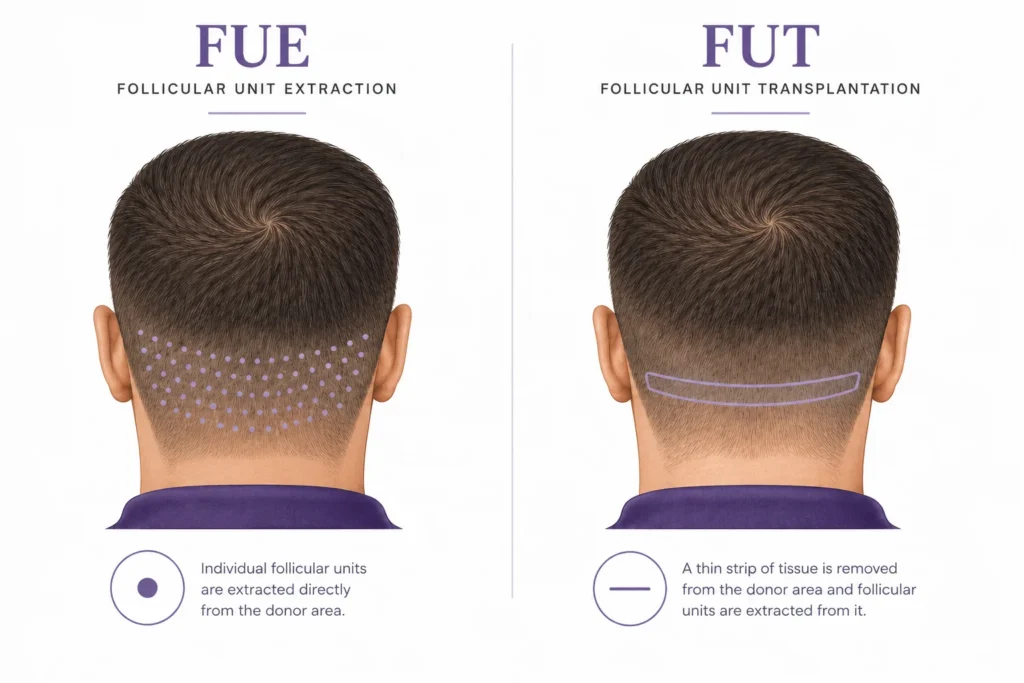
Neither technique produces longer-lasting results than the other because both rely on the same donor dominance principle. FUE removes individual follicular units directly from the donor area through small circular incisions. FUT removes a thin strip of scalp, which leaves one longer surgical incision at the donor site, then separates that strip into individual grafts under magnification.
Your choice between FUE and FUT affects your incision pattern, recovery time, and how much donor hair you can harvest in a single session. It does not affect how long the transplanted hair will last, since permanence depends on where the follicle came from, not how it was removed.
Factors That Affect How Long Your Results Last
Factors Your Plastic Surgeon Controls
- Careful graft handling, including keeping follicles cool and hydrated while outside the body, to protect survival.
- Conservative harvesting from the donor area to preserve options for any future procedures.
- A hairline design that still looks natural decades from now, not only in the months right after surgery.
- A pre-procedure evaluation of your scalp for any condition that could affect healing.
Factors You Control as a Patient
- Whether you treat ongoing hair loss in the untreated, native areas around the transplant.
- Tobacco use, since nicotine narrows blood vessels and can reduce oxygen delivery to healing grafts.
- Sun protection for the treated area during healing.
- Following your plastic surgeon’s post-procedure care instructions.
Learn more about hair transplant pre-op instructions to maximize your results.
Am I a Good Candidate for Lasting Results?
Patients whose hair loss pattern has largely stabilized are often the best candidates for a single procedure with long-lasting results. Patients still early in an active hair loss pattern may need a plan built around future thinning from the start, since the areas around the transplant have not finished changing yet.
See who is and is not a good candidate for a hair transplant.
Why Surgical Expertise Matters for Long-Term Results
The science behind hair transplantation is well established, but long-term success depends on far more than simply moving grafts. Surgical planning, donor preservation, graft handling, and natural hairline design all play a critical role in achieving results that remain natural-looking for years to come.
Dr. Adrian Lo, M.D., FACS, FRCS(C), is double board-certified by the American Board of Plastic Surgery and the Royal College of Physicians and Surgeons of Canada. With more than three decades of plastic surgical experience and recognition as one of Newsweek’s America’s Best Plastic Surgeons in 2021, 2023, 2024, 2025, and 2026, Dr. Lo focuses on creating hair restoration plans designed not only for the first year after surgery, but for the decades that follow.
This matters because permanent results require more than placing grafts. They require thoughtful management of donor hair, anticipation of future hair loss, and a hairline designed to look natural throughout the aging process.
Common Myths About Hair Transplant Longevity
| Myth | Fact |
|---|---|
| “Hair transplants only last five to ten years.” | Transplanted follicles continue producing hair indefinitely. What changes over the years is untreated native hair, not the grafts themselves. |
| “If you need a second transplant, the first one failed.” | A second procedure usually addresses new thinning in areas not included in the original transplant, not failure of the original grafts. |
| “Old hair plugs prove transplants do not last.” | Older techniques placed multiple hairs in a single, larger opening, which could look unnatural as the skin healed. Modern single-follicle placement avoids that look and does not affect how long results last. |
| “FUE lasts longer than FUT, or the other way around.” | Both techniques rely on the same donor dominance principle. Longevity depends on donor area quality and surgical technique, not the harvesting method. |
Ready to Find Out if Permanent Hair Transplant is Right for You?
If you are experiencing thinning hair, a receding hairline, or advanced pattern baldness, the most important question is not whether a hair transplant is permanent. It is whether you are a good candidate for a personalized hair restoration plan that can deliver natural, long-lasting results.
Knowing that a hair transplant is permanent is only part of the decision. Long-term success depends on thoughtful planning for your donor supply, hair loss pattern, and future goals, not only the results you will see in the first year.
Dr. Adrian Lo combines more than 30 years of surgical experience, double board certification, advanced hair restoration techniques, and ARTAS robotic technology to create personalized treatment plans designed for both immediate improvement and long-term success. Every procedure is carefully planned with consideration for donor preservation, future hair loss progression, and a natural appearance that looks appropriate as you age.
With a dedicated hair restoration surgical facility, ARTAS robotic technology, and an experienced surgical team, Dr. Lo offers precision, planning, and a long-term perspective designed to optimize graft survival and natural-looking results.
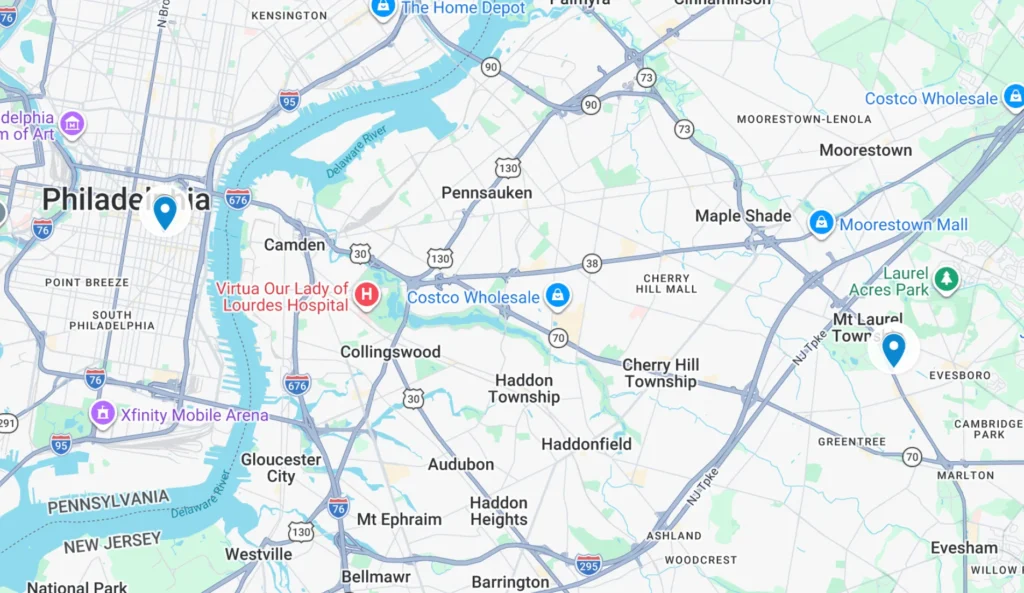
If you are looking for a permanent hair transplant in Philadelphia, Cherry Hill, NJ, and surrounding areas, schedule a consultation with Dr. Adrian Lo today to receive a personalized hair restoration plan designed around your hair loss pattern, donor supply, and long-term goals.
Hair Transplant Longevity FAQs
Here are answers to frequently asked questions about hair transplant longevity.
Do Hair Transplants Last Forever?
The follicles that are transplanted produce hair for the rest of your life once they heal, because they come from an area of the scalp that resists pattern hair loss. Your overall appearance can still change over time if hair loss continues in areas you did not treat.
Will I Need Another Hair Transplant Later?
Possibly, but not because the original procedure failed. Most repeat procedures address new thinning in untreated areas or add density.
Does FUE Last As Long As FUT?
Yes. Both techniques harvest follicles from the same permanent donor zone, so both produce equally lasting results. The difference between them is incision pattern, recovery, and how much hair can be harvested per session, not how long the results last.
Can Transplanted Hair Fall Out Later?
Once established, transplanted hair rarely falls out permanently. Temporary shedding in the first few months after surgery is normal and expected. What can change later is the surrounding native hair, which stays vulnerable to ongoing hair loss.
When Are Hair Transplant Results Considered Permanent?
Grafts are physically secure within days of surgery, but most plastic surgeons consider results cosmetically stable around the twelve-month mark, once density has matured and growth has fully come in.
What Can Shorten How Long a Hair Transplant Lasts?
Untreated progression of native hair loss around the transplant is the leading factor, along with tobacco use during healing and poor graft handling during the procedure itself. Choosing an experienced surgical team and following aftercare instructions reduce this risk.
Is a Hair Transplant Permanent After 10 Years?
In most cases, yes. Healthy transplanted follicles continue producing hair well beyond 10 years because they retain the genetic characteristics of the donor area.
Do Hair Transplants Ever Fail?
While modern hair transplantation has high graft survival rates, poor healing, inadequate blood supply, smoking, or improper surgical technique can affect results. Choosing an experienced hair transplant surgeon helps maximize graft survival.
Can Transplanted Hair Go Gray?
Yes. Hair transplantation moves follicles, not color. Transplanted hair ages naturally and may eventually turn gray like the rest of your hair.
What is the Success Rate of Hair Transplantation?
Modern FUE and FUT procedures typically achieve high graft survival when performed by experienced hair restoration surgeons using proper graft handling and placement techniques.