

Turkey has become a popular destination for hair restoration, attracting thousands of international patients each year, especially from the United States. With procedures costing less than U.S prices, it is no surprise many Americans ask:
Are hair transplants in Turkey safe?
The answer is a conditional yes, if you choose the right clinic and surgeon. Turkey does offer high levels of care in hair transplants and has reputable clinics that operate under the Turkish Ministry of Health’s regulations. These are often able to meet US or European safety standards.
For many US patients, there may be hidden risks, long-term costs and quality tradeoffs that they may not be aware of or discussed. The main risks come from lower-tier “mill” clinics where unqualified technicians, not doctors, perform the actual surgery, and where cheap package prices often signal poor practices. Language barriers can be a problem if the clinic doesn’t provide proper translation for aftercare instructions.
To stay safe: verify your provider is a fully licensed Medical Doctor (MD) registered with the Turkish Ministry of Health, read long-term patient reviews on Trustpilot or Reddit, make sure your contract specifies a board-certified doctor handles the critical surgical steps, and walk away from anyone promising unlimited grafts without properly assessing your donor area first.
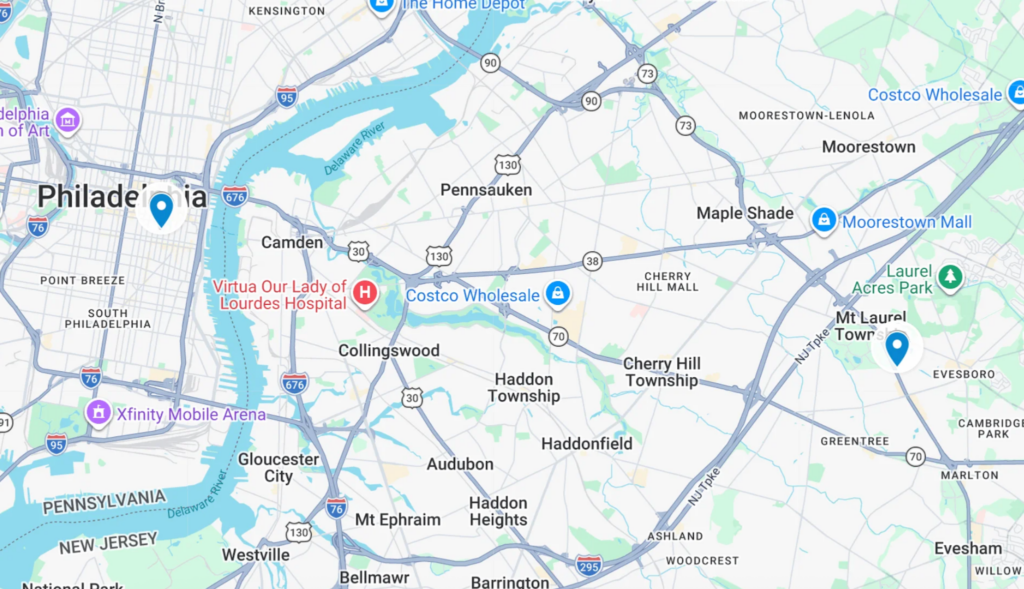
To help you make a confident, informed decision, this expert guide breaks down the risks, safety standards, expert tips, cost comparisons as well as insights into robotic hair restoration available locally with Dr. Adrian Lo in Philadelphia and the Cherry Hill NJ area.
Why Are So Many People Are Considering Turkey for Hair Restoration
Turkey’s rise as a destination for hair transplant is straightforward: a procedure that costs $8,000 to $20,000 in the United States can often be completed in Istanbul for $2,000 to $5,000, not including travel packages which can run several thousands more.
Over the past two decades, Turkey has built an extensive medical tourism industry with clinics, airport transfers, hotel partnerships, and multilingual patient coordinators. The country now performs more hair transplants annually than most countries, reinforcing its reputation as a popular center for hair restoration.
However, popularity does not equal safety or good results and this distinction matters. The same conditions that made Turkey attractive with reputable clinics also attracted a wave of low-quality clinics chasing the same patients. Going to Turkey for a hair transplant means entering a market with wide variability in clinic quality, oversight, and outcomes.

Are Hair Transplants in Turkey Safe?
The short answer is yes, but only if you do your homework first and are willing to travel to a foreign country for your medical care.
Turkey has earned its reputation as one of the world’s leading destinations for hair restoration. Clinics perform many hair transplant procedures all at a low price point. For thousands of patients each year, it delivers good results.
But the same scale that makes Turkey attractive also creates room for bad actors leading to poor results and outcomes. The industry is enormous, competition is fierce, and not every clinic that markets itself aggressively online deserves your trust.
Common Risks of Hair Transplants in Turkey
The risks are real and worth understanding:
- Unlicensed technicians: Illegal clinics use untrained staff instead of doctors.
- Overharvesting: Excessive graft extraction leaves permanent bald patches in the donor area.
- Unnatural hairline: Poor design results in a straight, fake look.
- Infection: Substandard clinic hygiene can cause painful scalp infections and worst case, sepsis.
- Necrosis: Poor surgical technique cuts blood flow, causing tissue death.
- Shock loss: Trauma can permanently trigger shedding of existing healthy hair.
- Incorrect graft placement angles: Implantation at the wrong angle can cause misdirected hair growth.
- Limited legal recourse: Foreign patients lack malpractice protection under Turkish law.
- Medication without consent: Some clinics prescribe patients on finasteride or minoxidil without fully explaining the side effects. Both drugs carry risks that require a proper medical discussion before use.
- Post-op ghosting: Low-tier clinics cut communication if complications arise later.
These issues are most common in high-volume “hair mill” clinics that prioritize speed and cost over patient outcomes.
Understanding Your Own Needs Before You Book
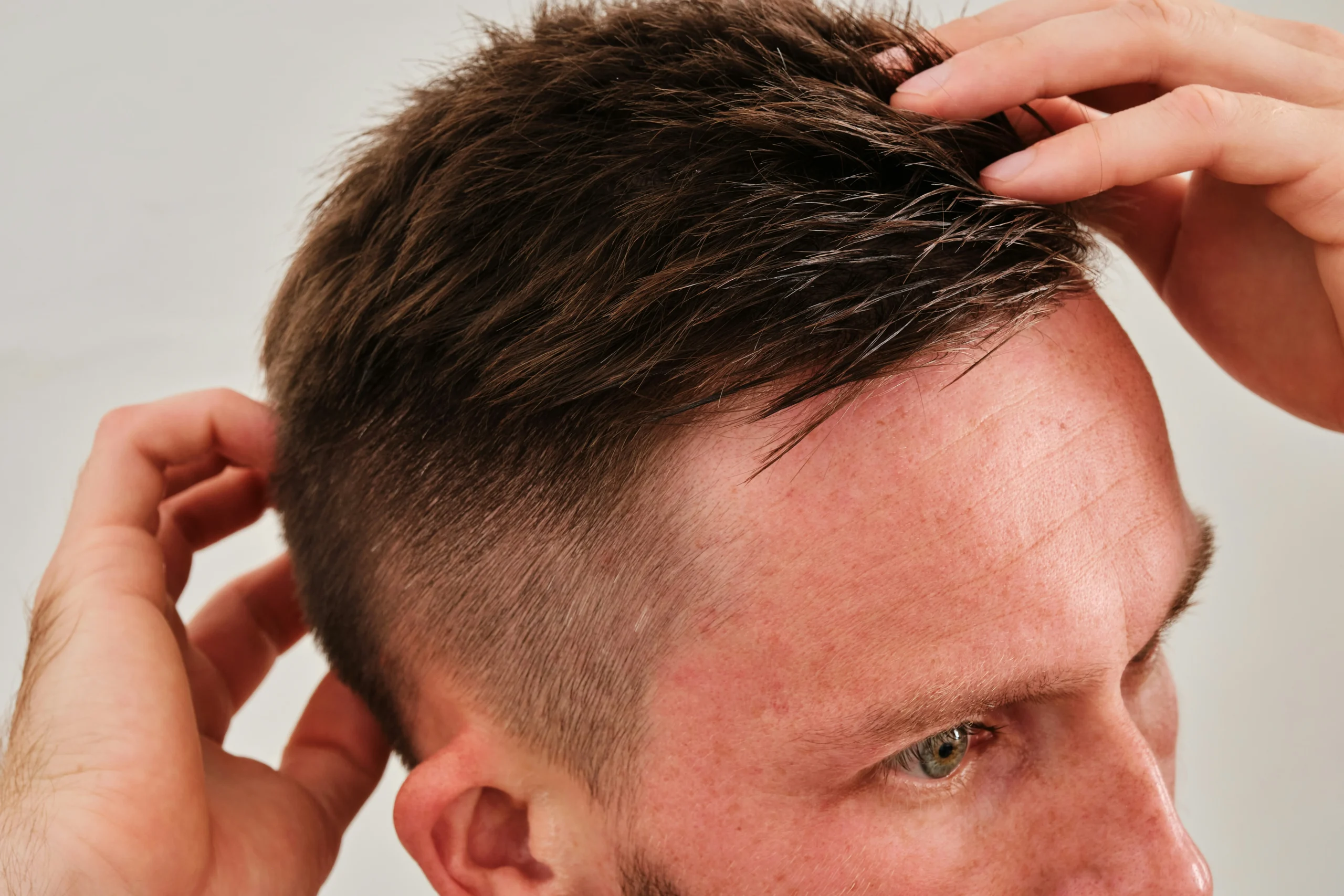
Getting a hair transplant in Turkey without first understanding if you are a good candidate is one of the most common mistakes patients make. Before you research clinics in Turkey, you need honest answers to several questions about your own situation:
- How advanced is your hair loss? The Norwood scale runs from Stage 1 (minimal recession) to Stage 7 (extensive loss). Patients at later stages may not have sufficient donor density to meet their coverage needs, and a clinic that does not flag this is doing you a disservice.
- Are you a candidate for FUE or FUT? Follicular Unit Excision (FUE) is less invasive and leaves no linear surgical incision, while Follicular Unit Transplantation (FUT) can yield a higher graft count in a single session. Your hair type, scalp laxity and loss pattern all affect which technique produces the best outcome.
- Have you spoken with a plastic surgeon at home before looking abroad? Getting a professional consultation from a local specialist before committing to a clinic abroad gives you a baseline assessment of your candidacy, realistic graft estimates, and a second opinion you can use to cross-check what overseas clinics are telling you.
Should you get a hair transplant in Turkey without working through these questions first, you are handing the clinic more decision-making authority and risking the possibility of an unsatisfactory result.
Learn more about whether you’re a good candidate for a hair transplant here.
How to Choose a Surgeon for a Hair Transplant
- Confirm the clinic is Ministry of Health registered or holds certification from a recognized medical body. You can access these registries on the Ministry of Health Authorized Providers Portal.
- Also look for Joint Commission International (JCI) accreditation, the gold standard for international hospital certification, which holds clinics to the same safety and quality benchmarks as top US medical facilities.
- Get it in writing that a licensed, board-certified surgeon will personally design your hairline and handle the extraction, not just sign off on it
- Treat rock-bottom pricing as a warning sign: Reputable procedures typically fall in the $2,000–$5,000 range; anything dramatically below that warrants serious scrutiny, as does any promise of “unlimited grafts.”
- Go beyond the clinic’s own testimonials: Communities like Reddit/HairTransplants offer unfiltered, long-term patient documentation that tells you far more than a curated before-and-after gallery
- Ask about aftercare before you commit: Complications can and do arise after you’ve flown home. A trustworthy clinic will have a clear, established protocol for remote follow-up; if they’re vague about this, that’s a red flag in itself.
Learn more about when to get a hair transplant here.
Red Flags and Warning Signs When Evaluating Turkish Clinics
Identifying an unsafe or low-quality clinic is possible before you spend a dollar, provided you know what to look for. Red flags fall into two distinct phases of the patient experience.
Warning Signs to Spot During the Research and Booking Phase
- No surgeon listed on the website
- Pricing models based solely on graft count, with no consultation to assess candidacy
- An absence of verified before-and-after photographs
- High-pressure sales tactics or limited-time discounts are designed to rush your decision
- An inability or unwillingness to schedule a pre-operative video consultation with the actual surgeon rather than a patient coordinator.
What to Watch for Once You Are Inside the Clinic
Unsafe practices at the procedural level are harder to detect, but several warning signs are identifiable.
- If technicians are performing the follicular extraction without a licensed plastic surgeon present and directly supervising
- No formal medical history or contraindication intake
- No written treatment plan provided before the procedure began
- A physician who appears briefly at the start and then leaves
- This model, sometimes called a “hair mill,” routes patients through assembly-line procedures where a physician may oversee multiple rooms simultaneously with minimal engagement.
Questions to Ask Any Clinic Before You Commit

Is Turkey safe for a hair transplant at the clinic you are considering? The most direct way to answer that question is to ask the clinic directly and evaluate how they respond. Before you commit, ask these specific questions.
- Ask what are the clinic’s documented complication and revision rates; reputable clinics track this data and will share it.
- Ask what follow-up support is available once you have returned home, a question many patients forget until complications arise weeks later.
- Ask whether a revision policy exists and under what conditions it applies.
- Ask about sterilization and infection control protocols in explicit terms.
- Ask how many procedures the clinic performs each day. A high daily volume is a proxy indicator of the hair mill model, in which speed takes priority over individualized care.
A reputable clinic will welcome and respond to these questions. Evasion, redirection or impatience in response to standard due diligence is itself a warning sign that tells you more than any marketing material could.
The Real Cost of Hair Transplants in Turkey vs. the U.S.
Turkey hair transplant packages run $2,000–$5,000, but factor in flights, accommodation, medications, and potential revision surgery for a more accurate estimate of the true out-of-pocket cost. The equivalent procedure in the U.S. usually runs $8,000–$25,000+.
The price gap comes down to one key difference: U.S. clinics charge per graft ($4–$10 each), so 2,000 grafts at $5 per graft equals a $10,000 bill. Turkish clinics charge a flat rate per session, harvesting as many grafts as your donor area safely allows for one fixed price. Lower operational costs and government tax incentives keep Turkish prices lower.
The total you’ll actually pay depends on how many grafts you need. Request a consultation with Dr. Adrian Lo for a personalized estimate from a board-certified surgeon in Philadelphia.
What Happens If Something Goes Wrong After a Turkey Hair Transplant?
Hair transplants in Turkey carry a specific set of risks that are compounded by geographic distance. Common complications can include infection, poor graft survival, an unnatural hairline design that looks artificial at any age, shock loss that exceeds the normal temporary shedding phase and over-harvesting of the donor area.
The last risk, over-harvesting, deserves particular attention because it is irreversible. When too many follicles are removed from the donor zone to satisfy a graft count promise, the resulting thinning in the donor areas of the back and sides of the scalp cannot be corrected. No revision procedure can restore donor follicles that no longer exist.
For patients who do experience complications, the accountability gap is substantial. A patient with a poor outcome faces limited legal recourse, limited correction options and the additional burden of arranging and financing corrective surgery at home.
When a Turkey Hair Transplant Could Be a Reasonable Choice
Getting a hair transplant in Turkey is not automatically the wrong decision. There are specific conditions under which it can be a reasonable choice:
- You have had a U.S. based consultation first and confirmed your candidacy with a board-certified plastic surgeon first
- The Turkish clinic provides named, credentialed surgeons on staff, not just a clinical team
- The clinic has independently verifiable reviews and documented patient outcomes
- Your hair loss pattern has been stable for at least two years
- You have a local physician prepared to manage postoperative follow-up upon your return
- You fully understand risks and follow-up limitations
If you are choosing Turkey based on price alone and not meeting these conditions, you may be accepting a level of risk that the savings may not justify.
Why U.S. Patients are Choosing Local Expertise Again
A growing number of patients are choosing local, board-certified plastic surgeons for their hair restoration because they offer:
- Personalized treatment planning
- Physician-led procedures
- Long-term follow-up care
- Safer, technology-driven methods
Best Alternative: Safe, Advanced Hair Transplants Near Philadelphia & Cherry Hill NJ
For patients who want:
- Natural results
- Maximum donor preservation
- Minimal risk
- Ongoing care
Working with a local expert like Dr. Adrian Lo provides a level of safety and precision that most overseas clinics cannot match.
Dr. Adrian Lo Advantage: ARTAS Robotic Hair Restoration vs. Turkey Clinics
For patients in Philadelphia, South Jersey, and the Northeast, Dr. Adrian Lo offers a major technology advancement.
What is ARTAS Hair Transplant?
ARTAS is an AI-assisted robotic system that performs follicular unit extraction (FUE) with unmatched precision and consistency.
| Feature | ARTAS(Dr. Adrian Lo – USA) | Typical Turkey Clinic |
| Extraction performed by | AI-guided robot + surgeon oversight | Technicians |
| Precision | Micron-level accuracy | Variable, human fatigue-dependent |
| Donor preservation | Optimized, evenly spaced harvesting | High risk of overharvesting |
| Scarring | Minimal, uniform | May be inconsistent |
| Planning | Physician-designed hairline | Often template-based |
| Consistency | Consistent graft quality, regardless of operator | Depends on staff experience |
| Follow-up care | Local, ongoing | Limited after you leave the country |
| Risk control | U.S. medical standards | Varies widely |
Why This Matters for Long-Term Results
Hair transplant success is not just about graft count. It’s about:
- Natural-looking hairline design
- Preserving donor supply for future procedures
- Consistency of graft survival
- Longevity over decades
Artas robotic technology improves all these outcomes while reducing human error.
Final Verdict: Is Turkey Safe for Hair Transplants?
- Yes, but only selectively
- High variability in quality
- Significant long-term risk if chosen poorly
For many U.S. patients, the safer and smarter investment may be getting it done right locally the first time.
A Safe Local Alternative: Expert Hair Restoration in New Jersey with a Board-Certified Plastic Surgeon for Hair Transplants Near You
The question of whether hair transplants in Turkey are safe is not a straightforward yes or no answer. Turkey has good clinics, adequate clinics, and also unsafe operations, often priced in ways that obscure the difference.
The patients who get the best results from hair restoration are the ones who are informed. They knew their Norwood stage, they had a realistic graft estimate, and they knew what a credentialed surgeon looked like before they ever compared clinics.
Dr. Adrian Lo offers exactly that starting point. As a board-certified plastic surgeon in Philadelphia, he can give you an honest, expert assessment of your candidacy and a clear picture of what your hair restoration results could look like.
Ready to learn more?