

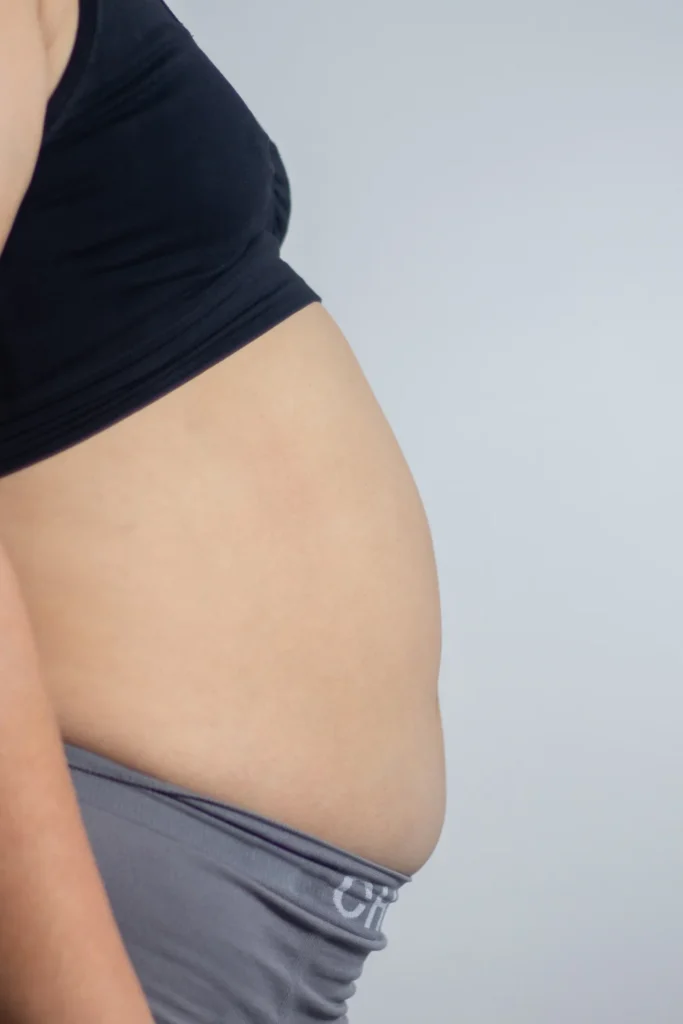
Swelling can keep the lower abdomen rounded for months after surgery, and it may take up to a year to fully resolve. Once it settles, the most common causes of a lower belly pooch after tummy tuck are weight changes, weakened core muscles, scar tissue, or fat and skin that could not be removed during surgery.
Compression garments, gradual activity, and steps for reducing swelling help in the early months, while a pooch that stays may need liposuction or a revision. At Dr. Adrian Lo’s Philadelphia plastic surgery practice, each concern is evaluated in person to separate normal healing from a contour that needs treatment.
Understanding the Causes of a Lower Belly Pooch After Tummy Tuck
Four factors can keep the lower abdomen rounded after surgery: weight changes, muscle weakness, swelling, and scar tissue.

Weight Fluctuations
Weight fluctuations are one of the primary reasons the lower abdomen sticks out again after surgery.
After surgery, patients may experience changes in their weight due to various factors, including hormonal changes, lifestyle adjustments, or emotional stress.
Weight fluctuations affect overall body shape, and some areas, such as the lower abdomen, may retain more fat.
After a tummy tuck, maintaining a stable weight is crucial for preserving the results. Significant weight gain can lead to the accumulation of fat in the lower abdomen, counteracting the benefits of the surgery. On the other hand, weight loss might cause additional skin laxity in cases where the skin has not fully adapted to the new contours of the body.
To combat these issues, we often encourage patients to adopt a consistent and healthy lifestyle that includes regular exercise and a balanced diet. Keeping a food journal, engaging in aerobic activities, and participating in strength training can help manage weight effectively.
Related: Abdominal Liposuction vs Tummy Tuck: What’s the Difference?
Muscle Weakness
Many individuals enter surgery with weakened or separated abdominal muscles (diastasis recti), often caused by pregnancy, aging, or significant weight loss. During a tummy tuck, the plastic surgeon tightens the skin and may also repair the abdominal muscles; however, if the underlying muscles are not sufficiently strengthened over time, they may not provide the support needed to maintain a flat appearance. Strenuous activity too soon after surgery can also disrupt the muscle repair, so a bulge that appears suddenly or keeps growing over time should be examined by your plastic surgeon.
After surgery, patients can benefit from tailored exercise regimes that incorporate core-strengthening workouts. Engaging in targeted exercises such as planks, dead bugs, and pelvic tilts can significantly enhance core strength and help prevent the re-emergence of a lower belly pooch. It’s advised that patients begin these exercises gradually after receiving clearance from their physician to ensure safety.
Maintaining proper posture is also essential. Poor posture can contribute to the protrusion of the abdomen, making the muscles appear weaker. Patients should be mindful of their posture when sitting, standing, and walking to promote a more toned appearance in the abdomen area.
Post-Surgical Swelling
Post-tummy tuck swelling is another contributing factor to a persistent lower belly pooch. Swelling is a natural part of the healing process, and it can take weeks or even months for the body to fully recover.
During this time, patients may still experience swelling or edema after a tummy tuck while the lymphatics re-establish themselves during recovery.
Understanding the tummy tuck results timeline can help patients manage their expectations regarding swelling and the ultimate appearance of their abdomen.
After surgery, swelling generally peaks within the first few days, most of it resolves by 6 to 8 weeks, and the final abdominal contour typically becomes visible between 3 and 6 months. Some swelling can persist longer, particularly around the lower abdomen, and may take up to 1 year to resolve. A sudden increase in swelling or firmness in one area can signal a fluid collection and should be checked by your plastic surgeon.
To aid in reducing this swelling, staying hydrated, using cool compresses, and performing light activities as advised can all facilitate faster recovery and help manage swelling effectively. Dr. Lo may also recommend a lymphatic massage if appropriate.
Scar Tissue Formation
Scar tissue can also impact the aesthetic results of a tummy tuck. As the body heals, scar tissue forms, which can lead to tightness or bulging in the abdominal area. This can create a bulging lower abdomen that looks like a pooch.
Tummy tuck scar care is essential to minimize scar tissue formation and ensure optimal healing. Patients should follow their plastic surgeon’s instructions carefully, which might include using silicone gels, creams, and sun protection to promote healthy healing.
Additionally, patients can engage in gentle massage around the surgical area to soften the tissue and encourage better flexibility in the skin. This can potentially reduce the dense accumulation of scar tissue that might otherwise lead to uneven contours.
Often, Dr. Lo will recommend microneedling, light therapy or laser treatments to promote optimal scar healing. The last option to improve scar appearance would be a scar revision.
Regular consultations with your plastic surgeon can help track healing progress and address any concerns related to scarring early on, allowing for timely interventions if needed.
Related: Types of Tummy Tucks: Your Guide to an Informed Decision
Surgical Techniques and Their Impact
The way the surgery is planned and performed also shapes how flat the lower abdomen looks once healing is complete.

Proper Surgical Technique
The surgical technique used during a tummy tuck can significantly affect the final results. Different methods of muscle repair and fat removal lead to varying outcomes.
For instance, you might notice a lower belly bulge if there is some remaining fat or skin that could not be removed during surgery. It is essential for patients to discuss their goals and concerns with their plastic surgeon during the pre-operative consultation to ensure that the surgical approach aligns with their aesthetic desires.
Plastic surgeons experienced in body contouring should be able to explain the various surgical methods available, including how they plan to address specific body issues. This includes discussing whether to use traditional techniques or newer methods such as minimally invasive liposuction that might better suit the patient’s body type and goals.
Secondary Tummy Tuck
For some patients, dissatisfaction with their initial results may lead to consideration of a secondary tummy tuck or revision abdominoplasty. This can be an option for those who have a persistent lower belly pooch that may require further muscle tightening, fat removal or excess skin removal.
In most cases, fat removal by liposuction may be all that is necessary to achieve the desired look.
Patients may still have some residual lipodystrophy or fat, especially if they had a severe situation before surgery. Plastic surgery is not always a one-and-done solution; it is a journey, and some patients may need multiple procedures to achieve their final results.
Because of this, patients exploring a secondary tummy tuck should be psychologically prepared for another surgical procedure. Thorough consultations with a qualified plastic surgeon should include a discussion about potential risks, recovery times, and expected results following the revision.
Plastic surgeons will assess the original surgical site and determine what adjustments can be made to enhance the abdominal contour.
Related: Abdominal (Tummy) Liposuction vs. Tummy Tuck: How to Choose the Right Procedure For Your Body
Recovery Factors
How you wear compression and limit activity in the first weeks of healing affects how smooth the lower abdomen looks.
Post-Surgical Compression
Post-surgical compression garments help reduce swelling, support the healing tissues, and promote a smoother contour. Proper use of these garments can make a visible difference in the final results, helping to minimize a swollen lower abdomen.
In many cases, plastic surgeons recommend wearing these garments for 1-3 months post-surgery. It’s important for patients to follow directions carefully, as the effectiveness of these garments diminishes if not worn correctly.
Activity Restrictions
Following surgery, patients must adhere to activity restrictions to allow their bodies to heal properly. Engaging in strenuous activities too soon can jeopardize the surgical site, leading to complications that might cause long-term imperfections, including disrupting the abdominal muscle repair and development of excess skin or fat in the lower abdomen.
Patients are typically encouraged to start with light activities, such as walking, within a few days post-surgery. These activities promote circulation, which is essential for healing. As the weeks progress, the intensity of their workouts can gradually increase as clearance is given by their plastic surgeon, focusing on core-strengthening exercises.
Long-Term Maintenance
Maintaining the results of a tummy tuck requires ongoing commitment to a healthy lifestyle. This includes a balanced diet and regular exercise to prevent weight fluctuations that can bring back a pooch in the lower abdomen. Patients should focus on incorporating whole foods, staying hydrated, and setting realistic fitness goals.
Additionally, scheduling regular follow-ups with your plastic surgeon can help monitor changes and ensure that any concerns are addressed proactively. Continuing to engage in tummy tuck scar care will also promote proper healing and resolution. Over time, many patients find that their scars become less noticeable, allowing them to feel even more confident in their appearance.
Fix Your Lower Belly Pooch After Tummy Tuck for Good with Dr. Adrian Lo
If you’re concerned about achieving optimal tummy tuck results or feel uncertain about your post-operative appearance, it’s essential to consult with a qualified plastic surgeon like Dr. Adrian Lo!
With the right approach and professional support, you can achieve your desired aesthetic outcomes and feel confident in your body. Contact us today for a consultation!
FAQs About a Lower Belly Bulge After a Tummy Tuck
Why Does My Lower Belly Bulge Change During the Day?
Swelling often increases with activity during the day and decreases overnight, which is normal during recovery. Staying hydrated and following a low-sodium diet can help. If one area feels softer and squishier than the tissue around it, with smooth, defined edges, it may be a fluid collection rather than normal swelling.
Can Fat Inside the Abdomen Cause a Lower Belly Bulge After a Tummy Tuck?
Yes. Fat just beneath the skin can be improved with liposuction, but visceral fat sits deep within the abdominal cavity and cannot be removed surgically. Weight loss is the only way to reduce it.