

Many women experience asymmetry in their intimate anatomy but rarely discuss it openly. An uneven labia minora is far more common than most women realize and affects women of all ages and body types.
In most cases, an uneven labia minora is a normal anatomical variation, much like differences in breast size, facial symmetry, or foot shape. Some women notice the difference early in life, while others develop changes after childbirth or as they get older. For some women, the difference is subtle; for others, the asymmetry may be significant enough to cause physical discomfort or concerns about appearance.
Learn About: What to Know About High-Profile Breast Implants
What Causes Uneven Labia Minora?
Natural Anatomical Variations Present From Birth

Most cases of uneven labia minora develop naturally during fetal development. Tissues grow at different rates on each side creating visible asymmetry from birth.
This is a normal anatomical variation and not a sign of a medical problem. Just as faces and breasts develop asymmetrically, the labia minora often differs in size and shape between sides.
Many women do not become aware of this natural variation until puberty, when increased awareness of their bodies develops and hormonal changes make the area more prominent.
Hormonal Changes During Puberty and Pregnancy
Hormones play a significant role in labial development:
- Puberty: Estrogen fluctuations can affect genital tissue growth causing one side of the labia minora to grow more than the other.
- Pregnancy: Increased blood flow and tissue expansion during pregnancy can make existing asymmetry more pronounced.
- Childbirth: Some women notice their uneven labia minora becomes more obvious after giving birth. The physical stretching and trauma of delivery can contribute to long term changes in labial shape and size.
Physical Trauma or Injury to the Area
Labial tissue may change following:
- Childbirth-related injury: Trauma from childbirth may damage tissue on one side more than the other.
- Sports that result in repetitive friction can also affect labial tissue over time. This includes intense cycling, horseback riding, or other high-impact sports.
- Accidents of direct injury, or other physical incidents to the genital area can create or worsen asymmetry.
As the body heals, scar tissue can form leading to differences in appearance or elasticity on each side.
Natural Aging and Tissue Changes Over Time
Aging affects all body tissues, including the labia minora. Hormonal changes during menopause can further contribute to uneven labia minora. As estrogen levels decline, collagen production decreases affecting tissue elasticity causing tissue to thin and stretch unevenly. This may increase visible asymmetry.
Weight fluctuations throughout life can also affect the appearance of the labia minora.
How Uneven Labia Minora Affects Daily Comfort
Discomfort in Tight Clothing

Tight-fitting pants, leggings, athletic wear and underwear may place pressure on asymmetric labial tissue. This pressure often causes rubbing, folding, irritation or chafing throughout the day creating a constant awareness of the area that many women find distracting.
Some women avoid certain clothing styles entirely because of the discomfort from their uneven labia minora.
Friction During Physical Exercise and Activities
High-impact activities like running or cycling can worsen irritation from asymmetric tissue. The repetitive motion creates friction that leads to soreness and chafing.
Swimming and other water sports present similar challenges when excess tissue rubs against swimsuit fabric. This can make enjoyable activities uncomfortable or even painful.
Many women modify their exercise routines or avoid certain activities because of these physical limitations.
Pain or Irritation During Intimate Relations
Sexual activity can pull or twist asymmetric labial tissue causing discomfort. The excess length on one side may get caught or pinched during intercourse.
This physical discomfort may lead to anxiety about intimate situations. Women may worry about pain or feel self-conscious about their appearance.
The combination of physical and emotional concerns may lead to anxiety or decreased confidence during intimate moments.
Difficult Hygiene Care
Having uneven large labia can lead to difficulty with keeping the labial area clean and free from infection. Many women notice increased skin infections and urinary tract infections with asymmetric labia.
Difficulty Finding Comfortable Sitting Positions
Prolonged sitting or certain seating positions may compress uneven labia minora causing discomfort. The asymmetric tissue may not sit naturally, creating pressure points.
Hard surfaces make this problem worse, as do certain seating positions. Women often shift frequently to find relief from the discomfort.
This constant adjustment can affect concentration at work or during long car rides.
Why Some Women Seek Cosmetic Improvement
Increased Confidence in Intimate Settings
Many women with uneven labia minora feel self-conscious during intimate moments. They worry about how partners perceive their appearance.
This self-consciousness can prevent full enjoyment of intimate experiences. The mental distraction due to physical appearance concerns takes away from emotional connection.
Improving balance and proportion often enhances emotional comfort and confidence.
Challenges Wearing Certain Clothing
Form-fitting clothing may reveal noticeable outlines or bulges. Swimwear and yoga pants present particular challenges as the thin fabric shows more definition. This leads many women to choose looser, less flattering styles.
The inability to wear preferred clothing affects confidence and self-expression. Adjusting the shape of the labia can help women feel more comfortable in their preferred clothing styles.
Concern About Physical Appearance in New Relationships
Women entering new relationships often feel anxious about revealing their bodies. Uneven labia minora can amplify these natural insecurities.
The fear of negative reactions from partners creates emotional stress. This anxiety can affect relationship development and intimacy building.
Many women report that these concerns impact their overall confidence in romantic situations. Restoring symmetry can support body confidence and overall wellbeing.
Desire for Better Proportion and Aesthetic Balance
The visual asymmetry of uneven labia minora bothers many women on an aesthetic level. This desire for symmetry represents a normal preference for visual harmony. Just as symmetry is valued in other areas of the body, many women seek a more balanced appearance for their intimate anatomy. The goal is not perfection, but harmony and comfort.
What Labiaplasty Can Address
Reduction of Excess Tissue on One or Both Sides
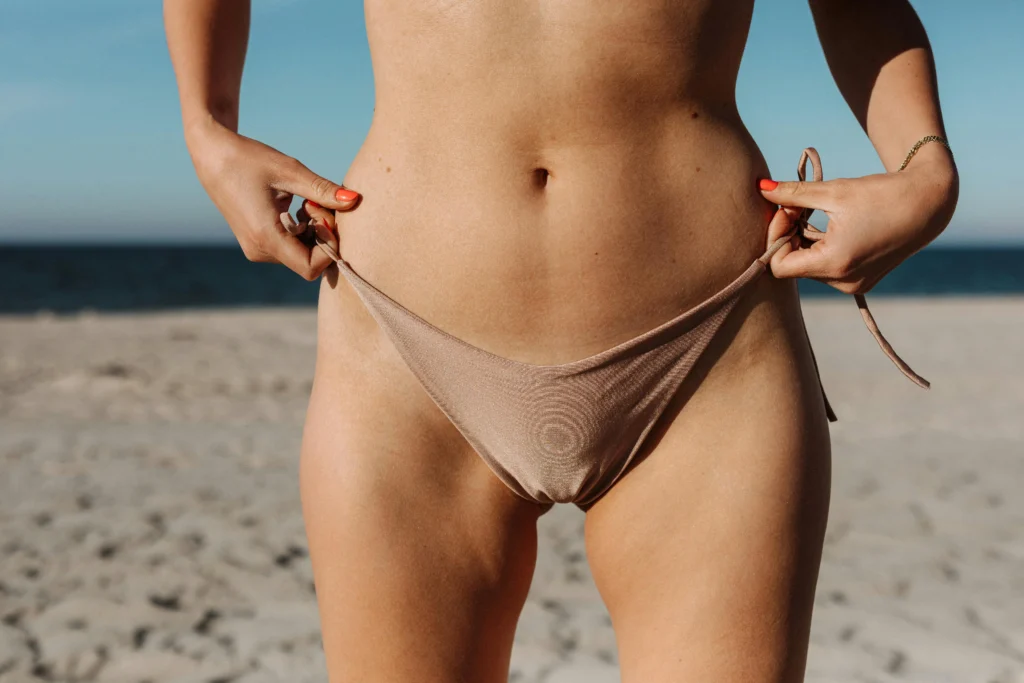
A customized labiaplasty carefully removes extra tissue on one or both sides to improve symmetry and comfort. The procedure is tailored to each woman’s anatomy and goals and creates a more proportionate appearance.
Creating Balanced, Natural-Looking Proportions
The labiaplasty procedure focuses on achieving symmetry between the left and right labia minora. The plastic surgeon considers natural variation and carefully plans the shape, contour, and proportion of each side to achieve a harmonious and natural appearance. The goal is natural-looking symmetry rather than artificial perfection or an “overdone” look.
Most women see significant improvement in the balance and appearance of their intimate anatomy after labiaplasty surgery.
Improved Physical Comfort During Daily Activities
Reducing excess tissue can eliminate the source of friction and irritation. Many women notice immediate relief from irritation and friction. Clothing fits more comfortably due to a reduction in clothing-related discomfort.
Physical activities become more enjoyable when tissue no longer bunches or chafes. Exercise routines expand as previous limitations disappear.
The functional improvements from labiaplasty often matter as much as the cosmetic enhancement.
Boosting Confidence and Emotional Wellbeing
Enhanced symmetry often leads to greater confidence in intimate settings, daily activities and overall body image. Addressing their uneven labia minora through labiaplasty results in women feeling more comfortable in their own bodies.
This increased confidence can positively impact sexual function and comfort in relationships. The emotional benefits extend beyond the physical changes.
Discover Your Options for Improved Comfort and Symmetry with Dr. Adrian Lo
Uneven labia minora can impact many aspects of daily life, from physical comfort to emotional wellbeing. You deserve to feel confident, comfortable and at ease in your own body.
Dr. Adrian Lo is a leading specialist in labiaplasty offering precise, natural-looking results that address both functional concerns and aesthetic goals. His approach focuses on creating natural-looking results that improve your quality of life.
Schedule a consultation to discuss your concerns and learn about your options. Dr. Adrian Lo serves patients throughout Pennsylvania, New Jersey, and Delaware providing compassionate individualized care.
Take the first step toward greater comfort and confidence.
Contact our Philadelphia plastic surgery office today to schedule your comprehensive labiaplasty consultation and explore treatment options tailored to your individual needs.