

Pregnancy and breastfeeding bring many changes to the body and the breasts are no exception. After having a baby, many women notice their breasts look flatter, softer, or less full than before.
This post-pregnancy appearance is often called pancake breasts. While the term is informal, the changes behind it are very real. Understanding what causes this flatter appearance can help you make sense of your body’s recovery and feel more confident about your next steps – whether that means embracing the change or exploring treatment options to restore shape and volume..
Related: What Causes Breast Ptosis and How Can It Be Treated?
What Are Pancake Breasts?
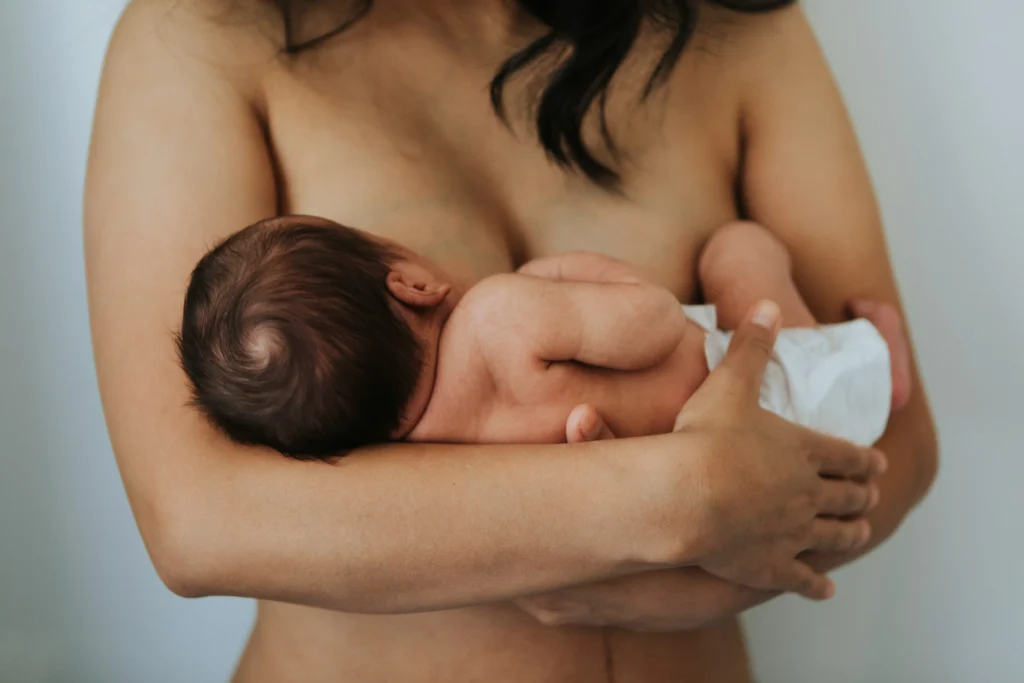
“Pancake breasts” is a commonly used term to describe breasts that appear wide, flat, and lacking in forward projection. When viewed from the side, the breast has minimal outward shape or fullness. The breast tissue may seem to spread outward across the chest rather than projecting forward.
This is a colloquial term, not a clinical diagnosis. However, it describes a very real and common post-pregnancy concern. Many women develop pancake breasts after pregnancy and breastfeeding, and for some, the change becomes long-lasting due to shifts in the breast tissue, skin elasticity and volume.
How Pancake Breasts Differ From Other Breast Shape Types
Breast shapes vary widely and most women fall somewhere on a broad spectrum. Some natural breast shapes have greater forward projection, while others sit wider or flatter on the chest wall.
Pancake breasts are characterized by:
- A loss of upper pole fullness
- A flat or deflated overall appearance
- Skin may feel looser or stretched
- Breasts that may look smaller and less defined than it did prior to pregnancy.
Unlike other breast shapes where the base width, lift, and projection remain relatively consistent, pancake breasts typically show a noticeable reduction in volume and firmness, especially compared to the pre‑pregnancy shape.
Pancake Breasts vs Cone-Shaped Breasts
Cone-shaped breasts tend to have more forward projection with fullness concentrated toward the nipple. The breast forms a narrower, more pointed shape rather than wide and flat.
When comparing pancake breasts vs cone-shaped breasts, the key difference is projection. Cone-shaped breasts have more volume behind the nipple, while pancake breasts lose fullness throughout.
Women with flatter breast shape often find that bras no longer fill out the cup, especially at the bottom or top, leading to gapping or reduced support.
How to Identify Pancake Breasts at Home
How to identify pancake breasts is straightforward with a simple self-assessment.
- Stand in front of a mirror and view your profile looking at your breasts from the side. Look for minimum forward projection or a breast shape that appears flat from the side.
- Check upper pole volume. If the upper part of the breast looks hollow, sunken or deflated, this is a common indicator.
- Observe nipple direction. If the nipple points slightly downward or forward with little tissue supporting it from behind, this can align with a pancake breast shape.
- Pay attention to how your bras fit. Many women notice they need padding or contour or that their breasts appear smaller in clothing even if the cup size is the same as before.
What Causes Pancake Breasts After Pregnancy

There is no single cause of pancake breasts after pregnancy. Several overlapping biological changes such as hormonal shifts, tissue expansion and shrinking, weight fluctuations and natural aging happen during and after pregnancy. These changes all can alter overall breast shape and projection.
How Pregnancy and Hormones Change Breast Tissue
There is a common misconception that breastfeeding causes breast sagging or flattening. According to the American Society of Plastic Surgeons, research shows that pregnancy itself, not breastfeeding, is responsible for most long-term breast changes.
During pregnancy:
- Milk ducts expand and glandular tissue increases
- Breast volume increases significantly
- Skin stretches to accommodate this rapid growth
After weaning:
- Glandular tissue shrinks (involutes)
- Fatty tissue returns, but not always to the previous levels
- Stretch skin does may not fully retract
- The breast envelope becomes looser leading to pancake breasts and a flatter, softer appearance
The resulting less internal volume and more skin than is needed is one of the primary reasons pancake breasts develop after pregnancy.
Hormones drive much of this. Estrogen and progesterone levels increase during pregnancy and stimulate breast tissue to grow in preparation for feeding. After delivery, both hormones drop sharply, signaling the body to wind down glandular activity. Once breastfeeding ends, the remaining glandular tissue involutes, meaning it naturally decreases and is replaced by softer fatty tissue leaving the breast softer and less full than before.
These normal changes can result in a breast shape that looks deflated or spread wider on the chest, especially compared to pre‑pregnancy fullness
Weight Fluctuation, Age, and Genetics
Weight gain is a normal and healthy part of pregnancy. The breasts gain volume along with the rest of the body. After delivery, many women lose weight, sometimes relatively quickly, and the breasts lose volume as fat tissue decreases. Rapid weight loss can accelerate breast deflation. When volume decreases faster than the skin can tighten, the result is loose skin and reduced projection, a hallmark of pancake breasts.
Age plays a meaningful role on how the breasts recover after pregnancy. As the body ages, the skin produces less collagen and elastin. This results in skin that is less firm and less able to recoil. Women who give birth in her late 30s or 40s may notice more lasting breast shape changes than someone who was younger during pregnancy, simply because the skin has less ability to recover.
Genetics determine overall skin quality, breast density, fat distribution, and how connective tissue is distributed across the chest. These factors all influence how the body responds to stretching and shrinking during pregnancy.
Some women are simply more predisposed to post‑pregnancy deflation, while others retain more natural lift and volume.
Common Pancake Breasts Symptoms Women Notice
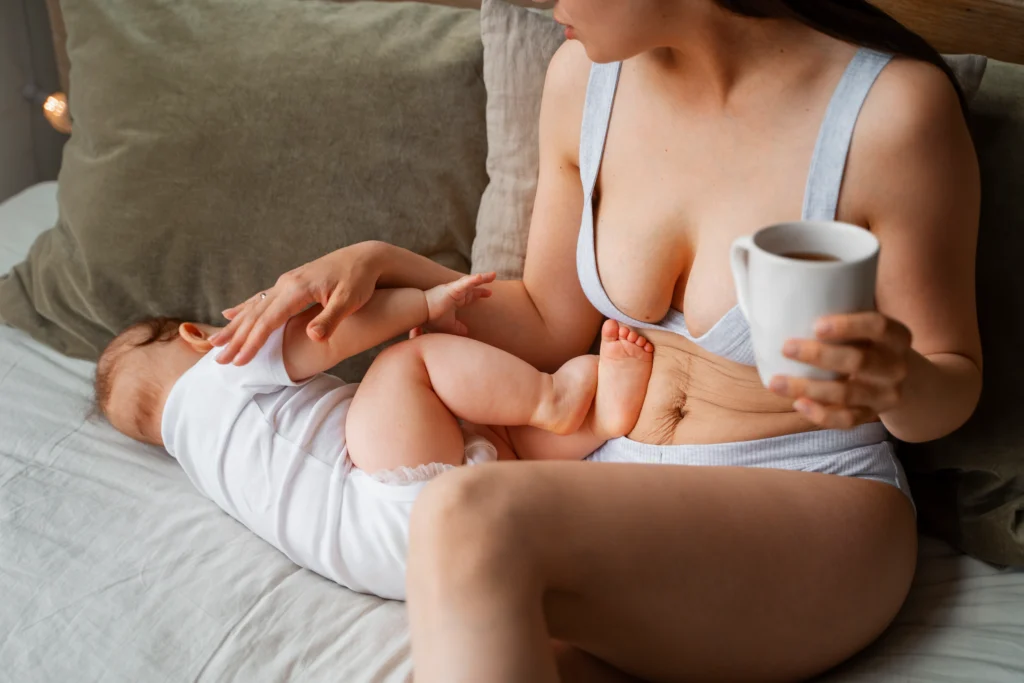
The signs of pancake breasts can vary widely from person to person. Some women notice subtle changes, while others feel their breasts look significantly different compared to before pregnancy.
Loss of Upper Breast Fullness
One of the most recognized symptoms of pancake breasts is loss of fullness in the upper pole. This is the rounded volume in the upper portion of the breast above the nipple. Before pregnancy, many women have curvature, lift or rounded fullness in this area. After pregnancy and breastfeeding, it can appear hollow, sunken or caved in and appear flat or less defined.
This occurs because the skin and tissue above the nipple stretch during pregnancy and may not fully retract afterward once the glandular volume decreases. The result is a visible indentation or cavity in the upper breast that changes the overall breast contour or silhouette.
Increased Skin Laxity, Sagging, and Nipple Position Changes
Another common change is skin laxity, especially around and beneath the breast. Women may notice that the skin feels looser, thinner and less firm than before.
When laxity is more pronounced, the breast tissue may shift downward, changing where the nipple sits on the chest. This descent is classified as breast ptosis and is typically categorized by nipple position.
- Mild ptosis: The nipple sits at or slightly below the natural breast crease.
- Moderate to advance ptosis: The nipple sits noticeably lower and may begin to point downward.
Nipple changes are also common. Instead of pointing upward or straight ahead, the nipple may angle forward or slightly downward due to reduced breast support and deflation of the underlying breast tissue.
Some women also notice that the areola appears larger or less defined, which is related to stretching during pregnancy and decreased firmness afterwards.
When Pancake Breast Shape Becomes a Lasting Concern
For many women, the post-pregnancy pancake breast shape is not a temporary phase. Once the skin has stretched and the glandular tissue has involuted after pregnancy and breastfeeding, the body often does not return to its previous shape on its own. These long‑term changes can affect projection, volume and nipple position, making the breast appear flatter or wider than before.
Why Diet and Exercise Will Not Restore Breast Volume
It is important to understand why lifestyle changes alone cannot reverse these breast changes. Breasts are made primarily of fat and gland tissue, not muscle.
This means:
- Chest workouts can not rebuild breast volume
- Exercise cannot tighten stretched breast skin
- Pectoral exercises can strengthen the muscle beneath the breast, which may improve posture and create a minor lift, but does not create actual fullness
While fitness can tone the chest area, it can not address the causes of flat, deflated breasts. Exercises can not replace lost glandular tissue or restore elasticity to overstretched skin. Many women who pursue this route often find the breast shape remains flat and deflated after months of effort.
The Difference Between Mild Drooping and Significant Ptosis
Not all postpartum breast changes look the same. Some women notice only a mild decrease in projection while others experience more noticeable sagging or flattening.
A board-certified plastic surgeon can assess the degree of breast ptosis (sagging) using a standardized grading scale. This system assesses:
- Where the nipple sits in relation to the breast fold
- How much tissue has descended
- Whether volume loss or excess skin is the primary issue
If your breast changes have persisted for at least a year after weaning and if lifestyle changes have not improved the appearance or if the shape of your breast affects your confidence or comfort, it may be time to consider your options Philadelphia plastic surgery practices offer treatments that address both breast volume loss and skin laxity.
Surgical Options for Restoring Breast Shape and Volume
For women seeking long-term improvement, there are two main procedures that can help with pancake breasts.
Breast augmentation can restore the volume lost after pregnancy using implants. It can:
- Rebuild projection
- Enhance overall fullness
- Improve upper pole shape
There are also scarless breast implant options which allow volume restoration without visible incisions on the breast.
Breast lift (mastopexy) focuses on:
- Removing excess, stretch skin
- Repositioning the nipple and areola
- Reshaping the breast for a more lifted contour
Many women benefit most from a breast augmentation with a lift, a combined procedure that addresses:
- Volume loss
- Skin laxity
- Nipple position
- Overall breast shape and projection
This approach creates a fuller, more youthful appearance while correcting the deflated, flat shape characteristic of pancake breasts.
Restore Your Shape with Expert Care – Schedule a Consultation With Dr. Adrian Lo
Postpartum breast changes are far more common than many women realize. They result from real physical effects of pregnancy, including stretched skin, hormone shifts, and reduced breast tissue volume. No cream, exercise, or supplement can fully reverse and correct these postpartum breast changes.
If you are ready to explore your options, Dr. Adrian Lo is a board-certified plastic surgeon with extensive experience helping women restore confidence and address postpartum breast changes. His practice serves patients across Philadelphia Pennsylvania, Cherry Hill New Jersey, and Delaware.Schedule a personal consultation to discuss your goals and learn which treatment options may be best fit for your goals.