
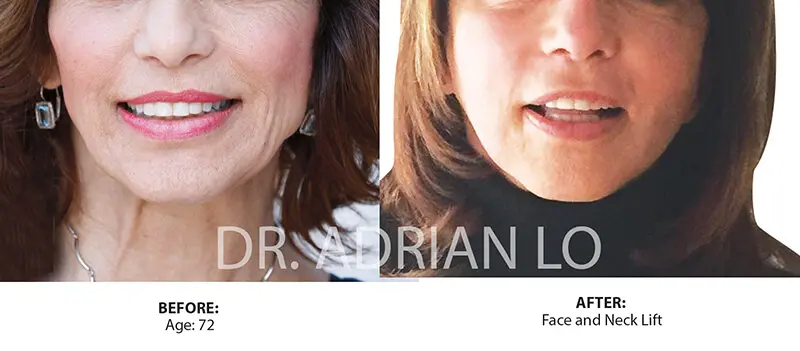
Facial aging happens slowly, making it challenging to recognize the right time to consider a facelift. Understanding the key signs that indicate facelift readiness helps you make confident, informed decisions about your appearance.
The timing of your procedure plays an important role that can affect both the quality of your results and your satisfaction with the outcome.
Related: Dermal Fillers for Nasolabial Folds: What to Know Before Treatment
Signs That Indicate When to Get a Facelift
Certain physical changes signal that you may benefit from facelift surgery. Recognizing these early signs can help you determine if the time is right for surgical rejuvenation. These key indicators often suggest that surgical rejuvenation may offer the most effective and long-lasting results.
Moderate to Severe Sagging Along the Jawline
A well-defined jawline naturally softens with age as skin loses elasticity and facial fat redistributes and shifts downward. This often leads to jowls developing along the lower face, creating a heavier appearance. This sagging becomes more noticeable when you look down or turn your head to the side.
A common way to assess potential improvement is by gently pulling your cheek skin back towards your ears to preview potential facelift results. If this reveals a more youthful contour that you would like to maintain, a facelift may be appropriate. Non-surgical treatments can help in improving the mild laxity of the jowls but cannot address significant loose skin or restore a true jawline in this area.
Deep Creases and Noticeable Loss of Mid-Facial Volume
Lines that run from your nose to the corners of your mouth, called nasolabial folds, deepen over time. Other common signs of aging is development of pronounced wrinkles in the area between the corners of your mouth and chin. This occurs with natural aging as facial fat pads shift downward and skin stretches.
As the mid-face loses volume and support, cheeks that once appeared full may appear flatter or hollow, creating a tired or sad appearance even when you feel energetic and happy. When to get a facelift often depends on how severe these changes are, how much the volume changes bother you and impact your overall facial balance.
Excess Skin and Fat Deposits in the Neck
The neck often ages earlier and more noticeably than other facial areas. Loose skin creates vertical bands or a “turkey neck” appearance. Fat accumulation under the chin can form a double chin that persists despite weight loss efforts.
Neck changes can make you look heavier or older than you feel. Because the face and neck age together, a comprehensive facelift addresses both the face and neck simultaneously. This approach for facial rejuvenation creates consistent, natural looking results simultaneously enhancing overall facial harmony across your entire lower face and jawline region helping you achieve a more youthful silhouette.
How Age Influences When to Get a Facelift
Age plays an important role in determining the right time for a facelift. Chronological age provides general guidance, but biological age matters more. Your genetics, lifestyle choices, sun exposure and skin care habits all affect when facial aging becomes noticeable enough to consider surgery.
Patients in Their Forties: Considering Early Intervention
For some individuals, their early to mid-forties is when they first start noticing moderate facial aging. Early jowling, mild skin laxity and volume loss may impact facial definition. This is when early intervention, often called a “mini facelift timing” approach, can be beneficial to address initial signs before they become severe. This approach can deliver natural, subtle improvements and may delay the need for more comprehensive surgery later.
Younger patients typically have better skin elasticity, better collagen support and faster healing. Recovery from facelift surgery tends to be easier when you are in your forties compared to later decades.
However, not everyone in their forties needs surgical intervention this early. A board certified plastic surgeon can help you determine if you are ready or if improving your facial appearance with skin care and non surgical treatments such as microneedling, Sofwave™ and BBL®/Halo® laser are effective treatment options.
Fifties Through Seventies: The Most Common Timeframes
Most people consider facelift surgery between ages 50 and 70 when signs of facial aging typically become more significant. By this stage, skin laxity, deep wrinkles and mid-face volume loss are usually well-established.
Facelifts in Your Fifties
The fifties are one of the most popular decades for first-time facelift procedures. Patients in this age group often experience noticeable aging yet remain in good overall health, making this an ideal time for facial rejuvenation. Many choose to refresh their appearance for the next chapter of their professional and personal lives.
Facelifts in Your Sixties and Seventies
The sixties and seventies remain excellent decades for facial rejuvenation surgery. Many healthy individuals in their sixties and seventies make excellent candidates for facial rejuvenation surgery. Patients in their seventies and beyond can safely undergo facelift procedures if they are in good health, with appropriate medical clearance. Age alone should not prevent you from pursuing facelift surgery.
What to Consider When Choosing Between Full Facelift vs. Partial Lift
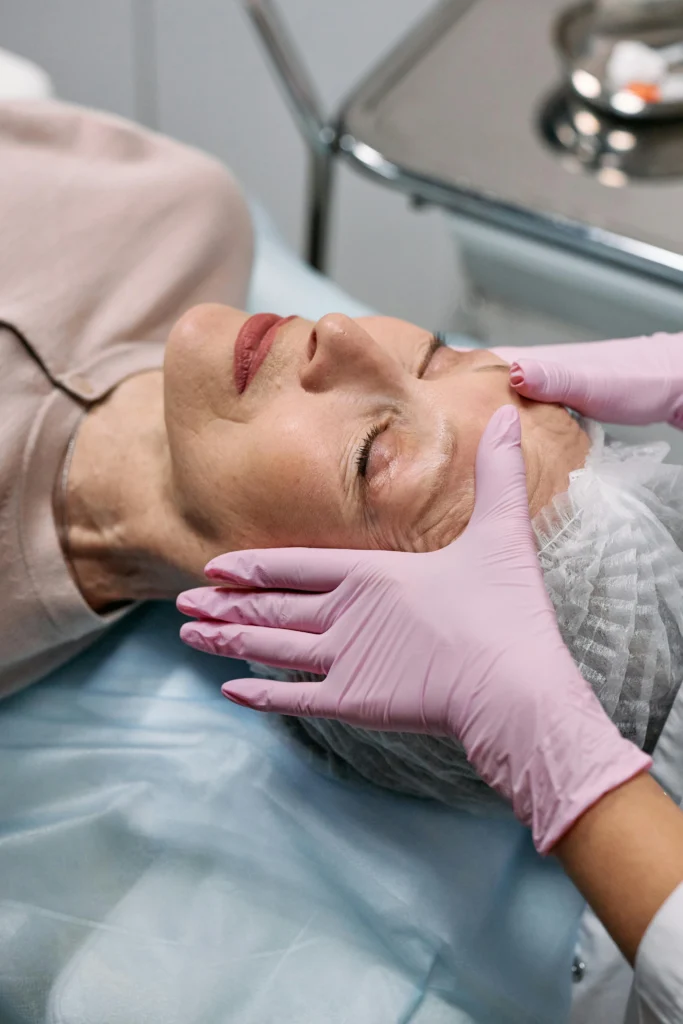
Different facelift techniques are designed to correct different degrees of facial aging. Understanding the differences between the surgical techniques can help you choose the procedure that matches your concerns, anatomy and aesthetic goals.
Mini Facelift Timing for Early Signs of Aging
A mini facelift, also called a short-scar facelift, is ideal for individuals with mild to moderate aging in the lower face. This procedure uses shorter incisions and focuses primarily on refining the jawline and upper neck. This is a popular choice for patients seeking a subtle, natural looking improvement with a shorter recovery time compared to a traditional facelift surgery.
Ideal candidates for a mini facelift have:
- Early jowling
- Mild neck laxity
- Good skin elasticity
A mini facelift does not address the mid-face or significant neck laxity or neck aging. A mini facelift is best suited for patients whose concerns are limited to early lower face changes. If your concerns are limited to the jawline area, this less invasive option may suit your needs.
The results from a mini facelift are less dramatic than a full facelift but still create noticeable improvement and a refreshed appearance. Many patients appreciate the natural-looking enhancement without committing to the longer recovery time associated with more extensive procedures.
SMAS Facelift Procedure for Moderate Facial Aging
The SMAS facelift procedure is one of the most widely performed techniques for moderate to significant aging. The SMAS facelift targets both the skin and the underlying facial muscle and connective tissue responsible for facial structure and support called the superficial musculoaponeurotic system (SMAS). This technique provides longer-lasting results than skin-only procedures. It addresses moderate to significant facial aging comprehensively.
During an SMAS facelift procedure, a board certified plastic surgeon lifts and tightens the facial muscles (SMAS layer) before repositioning the skin. By lifting and tightening the SMAS layer before repositioning the skin, this technique:
- Improves facial contour
- Creates more natural looking results
- Provides support that prevents premature sagging
- Provides longer-lasting results compared to skin-only lifts
SMAS facelift results typically last ten to fifteen years with healthy lifestyle habits and proper skin care. Most patients who pursue traditional facelift surgery receive some version of SMAS technique. Due to its effectiveness, safety and longevity, the SMAS facelift has become the standard for many patients seeking comprehensive rejuvenation. During your consultation, your board certified plastic surgeon will evaluate whether this technique is appropriate based upon your anatomy and aesthetic goals.
Deep Plane Facelift Recovery for Advanced Sagging
The deep plane facelift addresses severe facial aging by working beneath the SMAS layer. This advanced technique repositions deeper facial fat pads, releases tension points to provide a comprehensive rejuvenation resulting in a more dramatic and long-lasting lift. A deep plane facelift is particularly effective for patients with significant mid-face hollowing, advanced jowling or significant sagging.
What to expect with deep plane facelift recovery:
- Initial swelling and bruising are more noticeable
- Most visible swelling resolves within 3 to 4 weeks
- Many patients feel socially ready after 2 to 3 weeks
While recovery is longer compared to other facelift techniques, the deep plane facelift offers natural-looking rejuvenation often lasting fifteen years or more. This approach works best for patients with advanced aging who are seeking a dramatic facial rejuvenation and correction of advanced facial aging.
When Non-Surgical Facelift Alternatives Make Sense

Not everyone showing early signs of aging needs surgical intervention right away. For many patients, non-surgical facial rejuvenation options can effectively maintain a youthful appearance, delay the need for facelift surgery or address specific concerns without downtime.
Injectable Treatments and Laser Procedures
Dermal fillers can help restore lost facial volume in the cheeks, temples, lips and around the mouth. These treatments can soften and temporarily improve the appearance of nasolabial folds and marionette lines creating a smoother and more lifted appearance. Results vary by product but can generally last six months to two years depending on the product used. While fillers are effective for volume loss, they can not correct skin laxity or reposition sagging tissues.
Neuromodulators like Botox®, Dysport® temporarily relax muscles that are responsible for dynamic wrinkles. While these do not address loose skin, they can soften lines and prevent wrinkles from deepening over time. Regular treatments maintain results but require ongoing maintenance appointments and expenses.
Laser and energy based advanced devices can improve skin texture, tone, and mild laxity. Procedures like Morpheus8 combine microneedling with radiofrequency energy to stimulate collagen production. Sofwave™ uses focused ultrasound energy to promote collagen and elastin production. These non-surgical facelift alternatives work well for mild skin laxity and overall skin quality however they cannot correct significant sagging, deeper folds or excess skin, which is better addressed with surgical techniques.
Understanding the Limitations of Temporary Solutions
Non-surgical treatments can be highly effective and provide valuable benefits, especially in the early stages of aging. However, non-surgical treatments and energy based devices cannot replicate surgical results when moderate to severe aging is present. These options do not remove excess skin, lift deeper facial structures or correct advanced jowling. Injectable treatments add volume but do not remove excess skin or reposition sagging tissues.
Another important consideration is long term cost. While each individual treatment may be less expensive than surgery, maintaining the results requires ongoing appointments, which can add up over time. For many patients, the cumulative cost of regular non-surgical treatments eventually approaches or exceeds the cost of facelift surgery.
When to get a facelift often becomes clear when non-surgical options no longer deliver the improvement you want. A board certified plastic surgeon can evaluate your facial anatomy and aging pattern to help determine if surgical intervention may be more appropriate. Many patients benefit from combining surgical and non-surgical approaches for comprehensive facial rejuvenation.
Begin Your Facelift Journey With Dr. Adrian Lo
Deciding when to get a facelift is a personal choice shaped by your unique aging patterns, aesthetic goals, and lifestyle. Partnering with an experienced plastic surgeon ensures you receive honest, individualized guidance about timing and treatment options that best support your long-term results.
Dr. Adrian Lo provides comprehensive facial rejuvenation services to patients throughout Pennsylvania, New Jersey, and Delaware. His meticulous patient-focused approach prioritizes natural results that enhance your features. Philadelphia plastic surgery patients value his attention to detail, commitment to safety and availability to deliver refined and elegant results. Ready to explore your options for facial rejuvenation? Schedule a consultation with Dr. Adrian Lo to discuss your specific concerns and learn which procedures are best suited to help you achieve the refreshed appearance you desire. Take the first step toward looking as youthful as you feel.