
Most facelifts deliver nice results at first,, but after a few years, patients often notice the skin creeping back down, the jawline softening again, and the youthful contours gradually fading. In nearly all of these cases, the issue is almost always the same, the procedure lifted only the skin, not the deeper structural layers responsible for facial support.
A SMAS facelift targets the deeper muscle and connective tissue layer beneath the skin that is responsible for supporting the face shape. By lifting, repositioning and securing the deeper muscular layer beneath the skin, a SMAS facelift creates results that look more natural, move more naturally and most importantly, lasts significantly longer.
This guide explains why the SMAS technique is considered the gold standard, how long results typically last, and what patients in the Philadelphia area can expect from the procedure.
Related: Morpheus8 vs. Microneedling: What’s the Difference?
Understanding the SMAS Layer Is and Why It Matters
What is the SMAS? The Anatomy Behind the Name
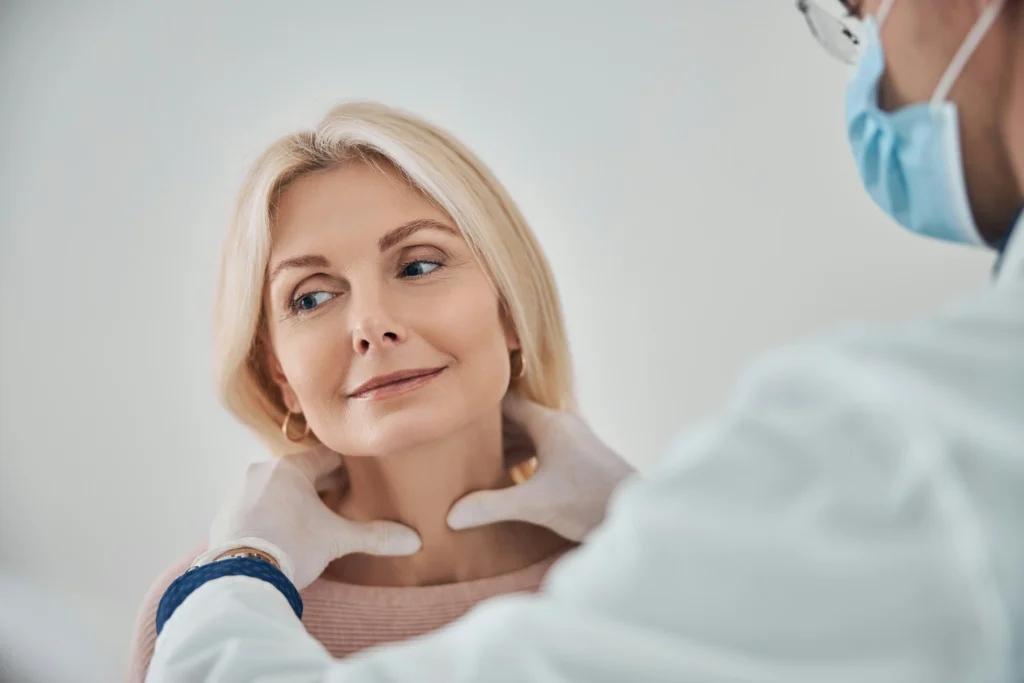
SMAS stands for Superficial Musculoaponeurotic System. It is a layer of muscle and connective tissue that lies beneath the skin of the face. It spans from the neck upward through the cheeks and connects directly with the muscles responsible for facial expressions.
The SMAS layer is what gives the face its structural support. Over time, gravity and age cause this layer to loosen and descend contributing to:
- Drooping cheeks
- Deepening nasolabial folds
- Formation of jowls along the jawline
- Softening of the jawline
- Neck laxity
It is important to understand that skin stretches and sags in response to the SMAS descent. So when only the skin is tightened, the cause of the signs of aging is not treated.
Why Traditional Skin-Only Facelifts Fall Short
Earlier facelift techniques focused primarily on tightening and removing excess skin. While the immediate results could look good immediately after surgery and appear smooth and lifted, skin-only procedures methods has two major drawbacks:
- The skin has limited ability to support long term tension. Skin is elastic, not structural. When it alone is used to ‘lift’ the face without addressing the SMAS layer, gravity eventually causes it to stretch again.
- Higher risk of unnatural “pulled” appearance. Skin only facelifts pull the skin tighter to create improvement. The deeper support layer is not repositioned. This can lead to the windswept or over-tightened appearance that some people associate with facelifts.
The SMAS facelift was developed to correct these issues by addressing the root cause of facial sagging.
Why Addressing Deeper Tissue Delivers Longer-Lasting Results
- A Structural Lift, Not a Surface Pull – When the SMAS layer is repositioned and secured, it acts like a scaffold for the overlying skin and the facelift works from the inside out. The skin can then be re-draped over the restored foundation with far less tension, creating more natural and longer-lasting results.
- More Natural Aging Over Time – A SMAS facelift does not create a sudden, noticeable change. Instead, the face continues to age gradually and naturally, maintaining balanced proportions with the face moving the way it should and reflects light the way it should.
- Improved Longevity – Most SMAS facelift results last 10 to 15 years, and many patients continue to look better than their peers long after that period.
How a SMAS Facelift Works
Lifting and Repositioning the SMAS Muscle Layer
Understanding how a SMAS facelift works begins with the incision placement. Surgical incisions from a well-performed SMAS facelift are positioned carefully and become difficult to detect over time. Dr. Adrian Lo places incisions along the hairline and around the ear, where they will be well concealed and discreet after healing.
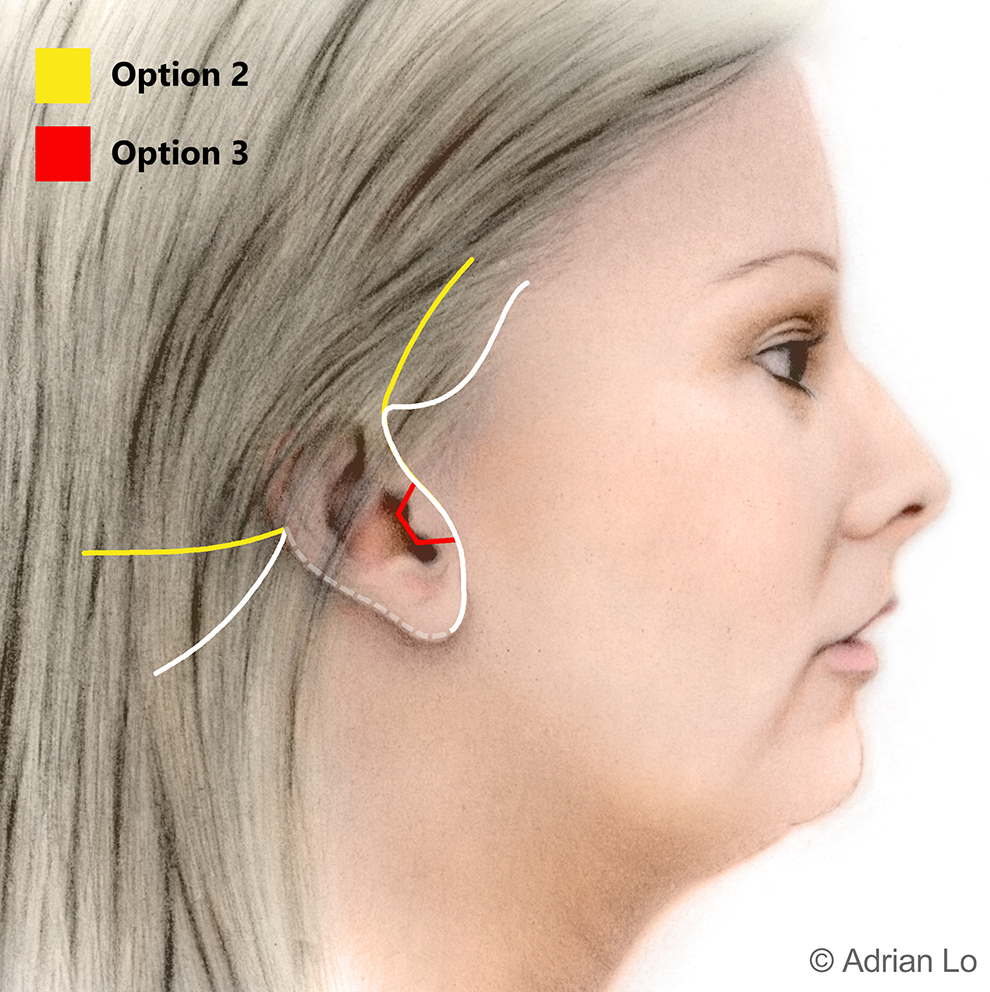
Through the incisions the SMAS layer is carefully lifted and repositioned upward towards its more youthful position, where it sat before age and gravity.
The SMAS is then secured with sutures at a deep, structural level, one that resists gravity far longer than a skin-only facelift can.
This repositioning restores volume and definition to the midface, sharpens the jawline, and improves the appearance of the neck, all without pulling on the skin directly.
How the Skin Is Closed After Deep Tissue Work
Once the SMAS layer is in place, the skin is gently laid back into place, without strain, over the new foundation. Because the deep tissue is now doing the heavy lifting, the skin requires very little tension to lie smoothly. This allows for a more refined closure, smoother healing and a more natural final appearance and movement.
Why the SMAS Technique Reduces Tension on the Skin
Tension is the primary obstacle to achieving natural-looking long-lasting facelift results. When the skin alone is responsible for lifting, it is pulled and stretched in ways which can distort facial features and accelerate the return of sagging. By shifting the lifting force to the SMAS layer, the skin is supported rather than stretched, allowing it to drape smoothly and naturally.
This is also why patients who undergo a SMAS facelift typically appear refreshed rather than “operated on”. The underlying facial proportions remain intact and only age-related descent of age is corrected, resulting in a rejuvenated, balanced and authentic look.
Reasons a SMAS Facelift Outlasts Other Approaches
SMAS Facelift vs. Mini Facelift — Which Lasts Longer?

The SMAS facelift vs mini facelift comparison often comes down to how much correction is needed and how long a patient wants results to last.
A mini facelift is a limited procedure that addresses mild laxity, typically in the lower face. It involves smaller incisions and a shorter recovery. While mini facelifts can be effective for early or mild aging, they typically address only the skin and superficial tissue. Results usually last 3 to 5 years.
A full SMAS facelift is a more involved procedure that provides a greater level of facial rejuvenation. A full SMAS facelift:
- Corrects deeper structural aging
- Treat the midface, jowl and neck
- Produces long-lasting results – often 10+ years
- Looks more natural both immediately and over time.
The right choice depends on the individual. Patients who are earlier in the aging process with mild concerns may be good candidates for a mini facelift. For patients with moderate to advanced facial aging the SMAS approach is generally the better option.
Why Results Tend to Look More Natural Over Time
Because the SMAS layer continues to age gradually after surgery, the results from a SMAS facelift tend to soften gracefully in a natural, harmonious way.
This natural aging pattern is one of the key reasons many plastic surgeons consider the SMAS approach the gold standard in facial rejuvenation. The SMAS approach mirrors the way the face is structurally designed to age, producing outcomes that align and are consistent with the underlying anatomy.
How the Structural Foundation Slows the Return of Sagging
When the SMAS is repositioned and secured at a foundational level, the deep tissues resist gravitational descent more effectively than skin alone could. Over time, this reinforced support slows the reappearance of sagging because the structural lift takes years, not months, for gravity to undo that correction. Skin, without such anchoring, simply lacks the durability to maintain long-term results. This is why patients who choose a SMAS facelift through Philadelphia plastic surgery are investing in something that will serve them for many years, not just a few.
What to Expect From the SMAS Facelift Procedure
SMAS Facelift Procedure Pros and Cons
The SMAS facelift procedure pros and cons are worth considering carefully before moving forward.
On the positive side, this approach provides the most comprehensive and long-lasting results available for facial rejuvenation. It addresses multiple areas such as the midface, jowls, and neck in a single procedure. The outcome tends to look natural and ages gradually, not suddenly..
On the other side, a SMAS facelift is a surgical procedure that requires anesthesia, recovery time, and careful aftercare. It is not ideal for patients with very mild laxity and it carries the standard risks of any surgical intervention. A thorough consultation with Dr. Adrian Lo will help determine whether this procedure is appropriate for you.
SMAS Facelift Recovery Time and What the Healing Process Involves
The SMAS facelift recovery time is typically two to three weeks before most patients feel comfortable returning to social activities. Swelling and bruising are expected and gradually resolve within a week. Most patients feel presentable within two weeks and are comfortable returning to social activities Continued improvement and refinement continues for approximately 3 to 6 weeks with final results settling in around 3 to 6 months.
Dr. Adrian Lo provides detailed post-operative instructions to support healing, including guidelines to protect results. Patients are advised to avoid strenuous activity, direct sun exposure, and anything that raises blood pressure during the early recovery period.
SMAS Facelift Cost and Factors That Influence Pricing
The SMAS facelift cost varies based on the extent of the procedure, the surgical facility, anesthesia fees, and any additional treatments performed at the same time. As a cosmetic procedure, a facelift is generally not covered by insurance.
Dr. Adrian Lo’s practice works with patients to provide transparent pricing and financing options. The best way to understand the cost specific to your situation is to schedule a consultation and discuss your goals directly.
Reclaim Your Best Look with Expert Facial Rejuvenation With Dr. Adrian Lo

A SMAS facelift remains one of the most effective and longest lasting procedures available for patients for facial rejuvenation. If you are noticing sagging in your jawline, midface, or neck that have not responded to non-surgical treatments, this advanced technique may be the right solution.
Dr. Adrian Lo serves patients across Pennsylvania, New Jersey, and Delaware, with offices in Philadelphia and Marlton. If you’re ready to explore a tailored, natural‑looking solution that helps you look as vibrant as you feel, now is the perfect time to take the next step. To discuss whether a SMAS facelift is the right choice for you, contact our team today to schedule your personal consultation with Dr. Lo and start your journey toward renewed confidence.