
Surgical recovery is a gradual process that involves multiple stages of healing as the body repairs incisions, adapts to tissue changes and the surgical area settles into its new anatomy.
While swelling and bruising are common after surgery, occasionally a fluid collection may develop at a surgical site which is known as a seroma.
So, what is a seroma? Seromas can be a post-operative concern and understanding what they are can help you recognize the early signs and know when to seek medical attention. In this guide, we explain what causes a seroma, the symptoms to watch for, how they are treated and what you can do to help prevent a seroma during recovery.
Related: What is Included in a Mommy Makeover?
What is a Seroma After Surgery?
Seromas occur when clear, straw-colored fluid builds up beneath the skin after surgery. Seromas can range from minor and self-resolving pockets of fluid to larger collections that require medical drainage to support proper healing. They are one of the most common post-operative fluid complications.
How Seromas Form After Surgical Procedures
A seroma after surgery develops when lymphatic fluid or blood plasma collects in the empty spaces created during the procedure. When a plastic surgeon lifts, separates or removes tissues, the body responds naturally by producing fluid as part of the healing and inflammatory process. If this fluid accumulates faster than the body can naturally reabsorb it, a fluid pocket forms beneath the skin, which is a seroma.
The lymphatic system plays a crucial role in draining fluid from tissues throughout the body. Surgical manipulation can temporarily disrupt this drainage system, reducing its ability to clear fluid efficiently. As a result, fluid collects in the surgical site, leading to fluid buildup. Most seromas appear within a few days to a few weeks after the procedure.
Why Fluid Builds Up in Surgical Sites
When tissue is lifted, repositioned, or removed during surgery, an open area called a “potential space” is created. As the body heals, this space gradually closes and scar tissue forms. During this healing period, fluid can potentially collect in these potential spaces, resulting in a seroma.
Movement and activity can also contribute to seroma formation. Excessive activity or tension at the surgical site may prevent tissues from bonding properly, allowing the space to remain open longer. This makes fluid buildup more likely.
Which Procedures Most Commonly Cause Seromas?
Seromas can occur after many types of surgery, but they are especially common in procedures that involve extensive tissue manipulation. These may include:
Tummy Tuck (Abdominoplasty)
This procedure lifts large tissue flaps and creates wide potential spaces, making abdominoplasty one of the surgeries commonly associated with seroma development.
Breast Surgeries
Procedures such as breast augmentation, breast lift, mastectomy and reconstruction can lead to seroma development due to the tissue manipulation and pocket creation.
Liposuction and Body Contouring
Liposuction disrupts the fat layer and lymphatic channels while body contouring procedures create new contours that can trap fluid.
Hernia Repairs
Open and mesh-based hernia repairs can leave behind small cavities where fluid collects during healing.
Overall, any surgery involving significant dissection, lifting or removal of tissue can increase the likelihood of developing a seroma. Understanding what a seroma is and why it forms can help you identify signs early. In general, the larger the surgical area and more extensive tissue manipulation, the higher the risk of seroma formation becomes.
What are the Symptoms of a Seroma?
Visible Swelling or Bulging at the Surgical Site
One of the most common seroma symptoms is noticeable visible swelling that looks different from normal post-operative healing. The affected area may look fuller, rounder or more swollen or raised on one side compared to the other. In many cases, a soft visible bulge or pocket may form where fluid has collected beneath the skin.
Unlike firm swelling from normal inflammation, swelling from a seroma tends to feel softer and squishier than surrounding tissue. A seroma has smoother, more defined edges. A fluid-filled pocket with distinct borders is a key clue that the swelling may be fluid related rather than tissue-related.
Fluid Movement or a “Sloshing” Sensations
A classic symptom of seroma is a wave-like, sloshing feeling when the area is gently pressed. This sensation occurs because the accumulated fluid shifts inside its space or pocket when pressure is applied. This may feel like a water balloon beneath the skin.
This movement is a helpful way to differentiate a seroma from other post-surgical issues. For example, solid swelling from inflammation or hematomas (a collection of blood) does not create this characteristic ripple or fluid wave.
Discomfort, Pressure or Tenderness in the Affected Area
What is a seroma’s typical sensation? Most seromas cause mild to moderate discomfort rather than sharp or intense pain.
People often describe:
- A sense of fullness
- Pressure or tight feeling at the surgical site
- A heavy or pulling sensation in the affected area
- Mild aching that becomes more noticeable as the seroma gets larger
Tenderness may increase as the fluid continues to accumulate because the skin and surrounding tissues stretch. Although uncomfortable, seromas are usually less painful than infections or other complications.
When Seroma Symptoms Need Immediate Medical Attention
While most seromas are not dangerous, certain symptoms can signal a complication or infection and require prompt evaluation by your plastic surgeon.
Seek medical attention if you notice:
- Increasing redness or warmth around the area
- Fever or chills, which may indicate infection
- Rapid swelling or sudden enlargement
- Severe or escalating pain
- Thick, cloudy or foul-smelling drainage
Clear or yellowish drainage from the incision may indicate a seroma is draining on its own. Although this is not always an emergency, persistent or heavy drainage should be evaluated by your plastic surgeon.
How is Seroma Treatment Performed?
Seroma Drainage Procedures and Techniques
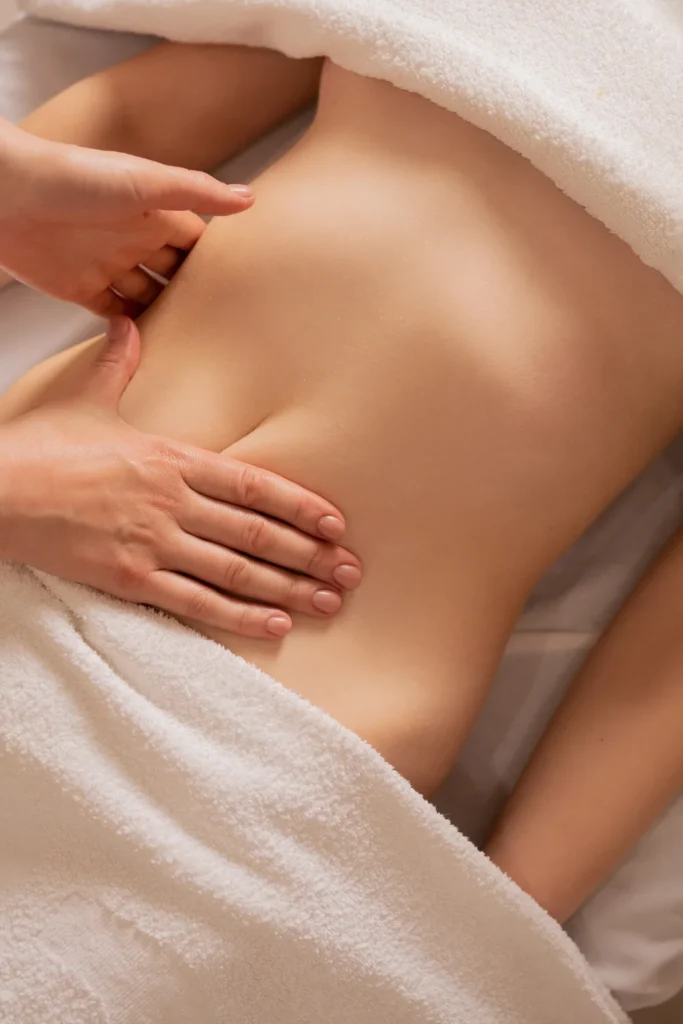
When a seroma becomes large or uncomfortable, your plastic surgeon may recommend seroma drainage. During the in-office procedure, the plastic surgeon cleans the skin, inserts a sterile needle into the fluid pocket and withdraws the accumulated liquid using the syringe. This procedure, called aspiration, typically takes only a few minutes and causes minimal discomfort.
Most patients feel only mild pressure and the entire process typically takes just a few minutes. Some seromas may require multiple drainage sessions if the body continues producing fluid resulting in fluid accumulation. Over time, the body gradually reduces fluid production as healing progresses and eventually the seroma resolves. Drainage provides immediate relief from pressure and discomfort and helps tissues heal properly.
Compression Garments to Support Healing
Compression garments play a key role in seroma prevention and treatment, especially after body contouring procedures. These specialized garments apply gentle, consistent pressure to the surgical area, reducing the space where fluid can collect and promoting healing by encouraging tissues to adhere during recovery.
Patients are advised to wear compression garments for four to six weeks following Philadelphia plastic surgery procedures. Consistent, round-the-clock use maximizes effectiveness and lowers the risk of seroma recurrence after drainage.
Monitoring and Observation for Small Seromas
Not all seromas require active treatment. Small stable seromas often resolve on their own as the body gradually absorbs the fluid over several weeks or sometimes, months. Your plastic surgeon may recommend a watch-and-wait approach if the seroma is small, painless and not increasing in size, and causing minimal symptoms.
Regular follow-up appointments allow your plastic surgeon to monitor the seroma and ensure the fluid collection is not enlarging or developing complications and to also determine if intervention becomes necessary. Observation is often enough for minor seromas that are not causing significant discomfort.
When Surgical Intervention Becomes Necessary
If a seroma persists, returns repeatedly, or interferes with healing, surgical intervention may be required. In these cases, the plastic surgeon may place drains to continuously remove fluid or surgically eliminate the space where fluid keeps collecting.
In rare situations, long‑standing seromas can form a thick capsule around the fluid. When this happens, the capsule prevents natural reabsorption, and surgical removal may be needed for complete resolution. These more involved treatments are reserved for seromas that do not respond to standard, conservative approaches.
What is a Post-Surgical Seroma Prevention Strategy?
Proper Surgical Site Care and Hygiene
One of the most effective ways to prevent post-surgical seroma is to follow your post-operative care instructions carefully. Keeping the incision clean and dry helps support proper healing and reduces the risk of infection. Patients should avoid soaking the area in baths, pools or hot tubs until cleared by their plastic surgeon.
Making a habit of monitoring your incisions daily is also essential. Early recognition of unusual swelling, new drainage or other changes allows your plastic surgeon to address these issues before complications develop.
Activity Restrictions During Recovery
Limiting physical activity is another key part of seroma prevention. Avoiding heavy lifting, intense exercise, and deep stretching allows tissues time to begin adhering properly and close the internal spaces where fluid can build.
Your plastic surgeon will provide specific activity guidelines tailored to your procedure. Gradually increasing activity as healing progresses helps you recover while minimizing the risk of seroma formation. Patients should always follow their plastic surgeon’s recommendations regarding when to resume normal routines.
Compression Garment Compliance
Consistent compression garments use is one of the most effective methods for preventing post-surgical seroma formation. Compression garments reduce the space where fluid can accumulation, help control swelling and support the tissues as they heal.
For best results, wear your garment as prescribed, removing it only when permitted ensures maximum benefit.
Proper garment fit is essential for effectiveness.
- Garments that are too loose will not provide adequate compression
- Garments that are too tight can restrict circulation and cause discomfort
Your plastic surgeon and the post‑op care team can help ensure your garment fits correctly and provide the support your body needs during the healing process.
What is a Seroma? Contact Dr. Adrian Lo for Expert Post-Surgical Care
Understanding the risks of seromas risks and recognizing early symptoms helps patients navigate surgical recovery with confidence. Dr. Adrian Lo (Philadelphia) , a board certified plastic surgeon in Philadelphia provides thorough pre-operative education and attentive post-operative care to help minimize complications and support a smooth, successful healing process.
If you have questions about what a seroma is, how it forms or what symptoms to watch for, getting professional guidance can give you clarity and peace of mind. Dr. Lo and his team are committed to answering your questions and ensuring you feel supported throughout every stage of recovery.
Ready to discuss your surgical options or get personalized post-operative care recommendations? Schedule a consultation with Dr. Adrian Lo to learn how expert guidance, proper post-operative care and a customized treatment plan can support a smooth, successful recovery.