
Severe gynecomastia is an advanced form of male breast enlargement in which glandular breast tissue and fat accumulate to the point of creating a noticeable feminine chest appearance. In many cases, the breast mound can resemble a B‑cup or C‑cup size, leading to significant emotional, physical, and social challenges. Often referred to casually as “man boobs,” severe gynecomastia is a medical condition that cannot be corrected through diet or exercise alone.
Men with advanced gynecomastia often struggle to hide their chest shape under clothing. Compression shirts, layering, and posture changes can provide some improvement. However, once the gland tissue has developed, it becomes permanent and in most cases requires surgical intervention for improvement.
Related: Does Gynecomastia Go Away On Its Own?
What Causes Severe Gynecomastia to Develop
Hormonal Imbalances Between Testosterone and Estrogen

The male body maintains a careful balance between male and female hormones. When estrogen levels rise or when testosterone drops, breast tissue can develop in men.
Hormonal imbalance represents one of the causes of severe gynecomastia that affects men at different stages of life. Puberty, middle age, older years and conditions that disrupt testosterone production all bring hormonal shifts that can trigger gland tissue growth. The severity often depends on the degree and duration of the hormonal imbalance..
Certain Medications That Affect Hormone Levels
Several prescription medications interfere with normal hormone production or metabolism, especially when taken long term.
Common examples of medications that may cause severe gynecomastia include:
- Anti-androgens used for prostate conditions can lower testosterone and promote breast tissue growth.
- Some heart medications,
- Anti-anxiety medications
- Certain antibiotics
- Anabolic steroids create particularly dramatic hormonal changes that often result in significant breast tissue development
The longer someone remains on these medications, the more pronounced the tissue growth can become. Discontinuing the medication may stop further development but existing gland tissue rarely resolves on its own.
Health Conditions Like Liver, Kidney or Thyroid Disease
Underlying medical issues can significantly impact hormone metabolism.
- Liver: The liver plays an important role in metabolizing hormones throughout the body. When liver function declines, estrogen levels can rise and trigger breast tissue development.
- Kidney failure disrupts hormonal regulation that may lead to severe gynecomastia.
- Thyroid disorders can affect hormone production, increasing hormone fluctuations that can cause male breast tissue growth.
Treating the underlying condition may stabilize or slow progressions but typically does not reverse established breast tissue.
Significant Weight Gain or Obesity
Excess body fat produces estrogen, which may stimulate glandular breast tissue growth in men. Severe obesity may create excess breast fat and true gland tissue leading to more pronounced gynecomastia severe symptoms.
Fat tissue accumulates in the chest area, making the breasts appear even larger. This combination of gland tissue and fat creates the most challenging cases.
Weight loss may reduce some fatty deposits but rarely eliminates established gland tissue completely. Firm glandular tissue usually remains. In many men, losing weight actually makes gynecomastia more visible because the fat disappears but the gland tissue does not.
How to Recognize Severe Gynecomastia Symptoms

Beyond simple chest fullness, severe gynecomastia cases produce several distinct and often distressing signs.
Noticeable Breast Tissue Growth on One or Both Sides
Severe cases involve substantial tissue development that creates a visible breast mound. The growth may affect one side more than the other, creating asymmetry.
Some men develop tissue under both nipples that extends across the entire chest. The breast tissue feels firm and rubbery rather than soft like fat.
This visible enlargement cannot be hidden by posture or clothing choices in advanced cases.
Sagging or Drooping Chest Appearance
When breast tissue becomes heavy, it can sag and stretch the skin under its own weight. This drooping creates a distinctly feminine chest contour.
The nipples may point downward rather than forward. Excess skin often develops as the tissue stretches over time.
This sagging represents one of the most troubling symptoms of many men with severe gynecomastia.
Physical Discomfort or Tenderness in the Chest
Large amounts of breast tissue can cause:
- Chest tenderness
- Strain on the chest (pectoral) muscle
- Sensitivity when touched or bumped
- Discomfort during physical activity due to bouncing or movement
Difficulty Finding Clothing That Fits Properly
Severe gynecomastia creates a chest measurement that does not match typical male clothing patterns. Because chest measurements increase significantly, men often struggle with:
- Shirts that fit the shoulders but too tight across the chest
- Visible breast outline showing through fabrics, including heavier materials.
- A reliance on oversized or layering clothes to hide the shape
This can limit professional and personal wardrobe choices, confidence and daily comfort.
When Medical Management Can Help Severe Gynecomastia
Medical treatment can be beneficial – especially early on – but it has limitations.
Treating Underlying Hormonal Imbalances First
Blood tests can identify specific hormone levels that contribute to breast tissue growth such as low testosterone, elevated estrogen and thyroid dysfunction.
Doctors may prescribe treatments to restore proper testosterone and estrogen balance. Hormone treatments may help prevent progression, but they cannot reverse established gland tissue, especially in advanced cases. Medical management for severe gynecomastia works best when started early.
Adjusting Medications That May Contribute to Growth
When prescription drugs cause or worsen gynecomastia, a physician may replace the medication, adjust the dose or monitor hormone changes. Physicians can often find replacement medications that do not affect hormone levels. Medication adjustments work best before severe development occurs.
Stopping problematic medications may prevent additional tissue growth. However, existing breast tissue typically persists even after medication adjustments.
Addressing Health Conditions Contributing to Tissue Development
Improving liver, kidney or thyroid function through medical treatment can normalize hormone metabolism and stabilize levels.
These treatments focus on preventing worsening rather than reversing existing tissue. They represent an important first step but rarely provide complete resolution of how to treat severe gynecomastia.
Most men with established severe gynecomastia require surgical correction beyond medical management.
Why Surgery Becomes Necessary for Severe Cases
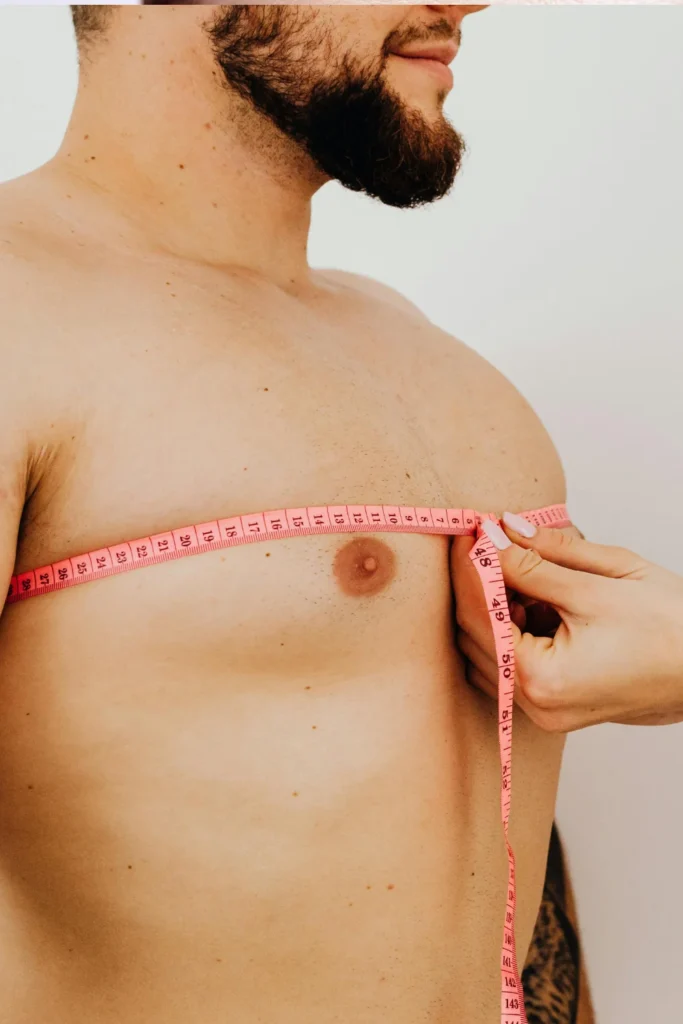
Medical treatments and lifestyle changes cannot remove glandular breast tissue once it has fully developed.
Hormonal Treatments Often Cannot Reverse Established Tissue
Once gland breast tissue fully develops, it becomes permanent. The cellular structure of developed breast tissue makes it more resistant to hormone changes. This makes severe gynecomastia particularly resistant to non-surgical approaches. Even if the hormone levels normalize, the established gland tissue typically remains.
Exercise and Diet Alone Cannot Remove Glandular Tissue
Many men try intensive chest workouts hoping to reduce breast appearance. While exercise builds your chest (pectoral) muscle and weight loss reduces fat, neither can eliminate the firm glandular tissue or dense fibrous tissue that lies over your muscle.
The distinction between fat and gland tissue explains why lifestyle changes have limited effectiveness for severe cases. In some men, weight loss makes gyno appear worse by revealing the underlying gland more clearly.
Severe Cases Require Physical Removal of Excess Tissue
The most effective and often the only reliable way to eliminate severe gynecomastia involves surgical removal of the breast tissue. Surgical removal provides permanent results that medical treatments cannot achieve.
Surgery addresses both the gland tissue and excess fat simultaneously.
- Eliminates gland tissue
- Removes excess fat
- Tightens loose skin (if needed)
- Restores a masculine chest contour
This comprehensive approach creates a more natural masculine chest contour that men desire. The severity of the condition often makes surgery the most practical and effective treatment option. The results are permanent.
What Gynecomastia Surgery Involves for Severe Cases
Modern surgical techniques provide dramatic, natural-looking improvements.
Removing Excess Gland Tissue Through Excision
Gynecomastia surgery for severe cases typically involves the plastic surgeon making an incision around the areola to access the firm glandular breast tissue.
Dense gland tissue is carefully separated from surrounding structures and removed. This technique ensures complete elimination of the firm tissue that creates the abnormal breast shape.
Eliminating Stubborn Fat Deposits With Liposuction
Most severe cases involve both gland tissue and excess fat throughout the chest. Liposuction removes these fatty deposits to further refine the chest contour.
The combined approach of surgical removal of the breast tissue which is called subcutaneous mastectomy and liposuction of the chest gives patients the best result. This dual approach addresses all components of the “gyno” creating a balanced and masculine natural-looking chest definition.
Reshaping the Chest for a More Masculine Contour
Severe gynecomastia often stretches the skin and creates excess tissue that sags. Advanced cases may require skin removal to achieve a tight, masculine appearance.
In advanced cases, the plastic surgeon may also:
- Remove excess skin
- Reposition the nipples to a more masculine location, if needed
- Tighten the chest shape
Overall, the treatment of severe gynecomastia with surgical removal of the glands and liposuction contouring of the chest with skin removal as necessary means that the gynecomastia is permanently treated and will not come back even if underlying causes persist.
Gynecomastia surgical techniques focus on creating proportion and contour appropriate for a male chest. The goal is a flat, defined chest that looks natural and proportional.
Discuss Treatment Options With Dr. Adrian Lo
Severe gynecomastia affects your confidence, comfort, clothing choices, and overall quality of life. Understanding how to treat severe gynecomastia begins with an expert evaluation of your specific situation and a personalized treatment plan
Dr. Adrian Lo is a leading specialist in gynecomastia surgery for men throughout Pennsylvania, New Jersey, and Delaware. With his expertise treating even the most advanced cases, Dr. Lo offers tailored surgical solutions designed around your anatomy and goals.
Schedule a consultation to discuss your concerns and learn about your treatment options. Dr. Adrian Lo provides detailed explanations of what to expect before, during and after the procedure.
Contact the practice today to take the first step toward a flatter, more masculine chest. Dr. Lo’s Philadelphia plastic surgery services provides comprehensive gynecomastia evaluations and advanced surgical techniques for long-lasting, confident results.