If your ears stick out too far or look different from each other, it can affect how you feel about your appearance. Otoplasty surgery offers a permanent solution to reshape and reposition ears, creating a more balanced and natural look.
This cosmetic procedure can help address concerns that affect your confidence, offering results that last a lifetime.
Related: Otoplasty Recovery: Dos and Don’ts for a Smooth Healing Process
What Otoplasty Surgery Addresses
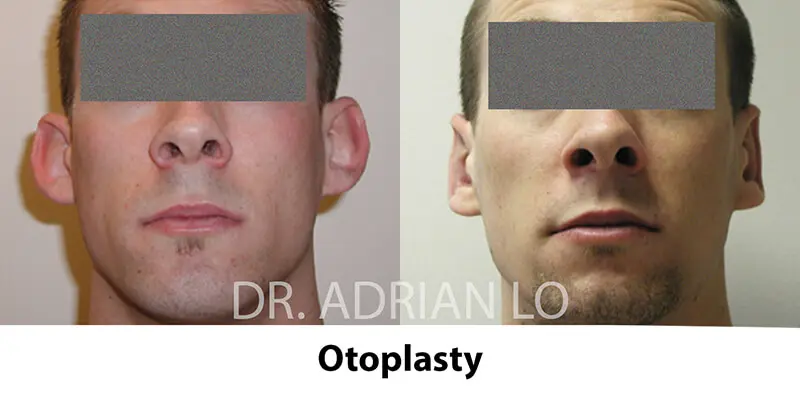
Otoplasty surgery corrects a range of ear concerns that can impact facial harmony and confidence. Understanding what this procedure can fix helps you determine if it is right for you.
Protruding Ears That Extend Beyond Normal Position
Ears that stick out more than two centimeters from the head often draw unwanted attention. This condition occurs when the cartilage does not fold properly during development. Otoplasty is an ear reshaping procedure that repositions your ear cartilage closer to the head, creating a natural angle after healing.
Asymmetrical Ear Size or Shape
Uneven ears, whether due to birth differences or injury, can cause asymmetry where one ear appears larger or positioned differently than the other creating a noticeable imbalance. Your plastic surgeon can adjust the size, shape, or position of one or both ears during otoplasty surgery. The goal is to create ears that match in size and placement.
Overly Large Ears Disproportionate to Head Size
Some people have ears that are too large for their facial features. This condition, called macrotia, can make you feel self-conscious. Cosmetic ear surgery can reduce the overall size of the ears through careful cartilage removal and reshaping. Our approach focuses on maintaining natural proportions while achieving your desired aesthetically pleasing results.
How the Ear Reshaping Procedure Works
Understanding the ear pinning surgical process helps you prepare for your procedure. Otoplasty surgery follows specific steps to ensure safe and effective results.
Initial Consultation and Surgical Planning Process
Your first appointment includes:
- A discussion of your concerns and goals
- Examination of your ear structure, positioning and angles
- Review of before and after otoplasty photos
- Documentation of medical history, medications and allergies
Your plastic surgeon will explain the techniques that will work best for your specific needs. You will also receive information about anesthesia options, recovery expectations, and potential risks.
Cartilage Reshaping and Repositioning Techniques
The procedure begins with your chosen anesthesia to keep you comfortable throughout surgery. The procedure may be performed with local anesthesia, local anesthesia with sedation (twilight sedation) or general anesthesia. This will depend on the extent of your otoplasty procedure and your preferred anesthesia.
Your plastic surgeon will make a surgical incision behind the ear. This placement keeps the scar hidden when looking at the ear from the front or side. The ear cartilage is assessed and removed or reshaped as needed. For protruding ears, the cartilage is sculpted back and may be secured with permanent sutures. For size reduction, excess cartilage is carefully removed. The ears are positioned at the desired angle with permanent sutures.
The entire ear pinning surgery typically takes 1 to 1.5 hours for both ears, with more complex cases requiring additional time.
Recovery Timeline and Aftercare Requirements
Bandages are placed around your ears and head immediately after the procedure to protect and hold the ears in the correct position during initial healing. You will wear these bandages for about 48 hours and sometimes longer.
Most patients experience mild discomfort rather than significant pain. Over-the-counter pain medication usually effectively manages any soreness. Swelling and bruising are normal and fade within two to three weeks.
After the bandages are removed, a headband or sweatband is worn to support your ears in the new position. You will wear this protective headband during the day and at night for 4 to 6 weeks. This prevents injuring your ears and prevents pulling or bending the ears during sleep. The exact length of time for wearing the headband will be determined by the plastic surgeon.
Most people return to work or school within one week of ear correction surgery. Strenuous activities and contact sports should wait for at least 4 to 6 weeks. Results are immediate but final swelling may take up to three months to resolve.
Who Benefits Most From Ear Pinning Surgery
Certain groups of people see particularly good results from otoplasty surgery. Factors such as age, ear development and personal circumstances all influence surgical outcomes.
Children Ages Five and Older With Developed Ear Cartilage
By age five, ear cartilage is nearly fully developed, making young children good candidates for prominent ear correction. Early intervention can prevent years of teasing or self-consciousness about ear appearance.
Children must be mature enough to follow post-operative instructions. They should understand the importance of wearing protective headbands and avoiding rough play. Parents play a key role in ensuring proper aftercare compliance.
Children who undergo otoplasty surgery before starting school often experience better social adjustment. The procedure can avoid psychological effects that sometimes develop from peer comments about ear appearance.
Teenagers and Adults Seeking Cosmetic Ear Surgery
Adolescents and adults choose otoplasty surgery for various reasons. Some have wanted the procedure since childhood but waited until they could decide for themselves. Others develop new concerns about ear appearance due to changes in hairstyle preferences or other personal preferences.
Adult candidates appreciate that cosmetic ear surgery offers permanent results and are able to make fully informed decisions about their treatment. They also tend to have excellent compliance with recovery instructions.
Patients With Functional or Aesthetic Concerns
While most people seek otoplasty surgery for appearance reasons, some have functional concerns.
- Misshapen ears can make wearing glasses or headphones uncomfortable.
- Certain ear shapes collect more dirt or are harder to clean properly.
- Athletes may find that prominent ears increase injury risk during contact sports or interfere with proper helmet fit.
Addressing these functional concerns while improving appearance provides comprehensive benefits.
When to Consider Prominent Ear Correction

Timing plays an important role when planning ear correction surgery. Several factors determine the best time to move forward with your procedure.
Timing for Optimal Results
Medical readiness is the first consideration. Children should wait until ear cartilage has fully developed, which occurs around age five. Adult patients can pursue otoplasty surgery at any age as long as they are in good health.
The best time for surgery is when you can dedicate proper time to recovery. Plan your procedure when you have at least one week for recovery, away from work, school, or major obligations. Avoid scheduling cosmetic ear surgery right before important events or busy seasons.
Consider seasonal factors when planning your otoplasty surgery. Some patients prefer fall or winter months when hats and headbands are more socially acceptable. Others choose summer for convenience during school breaks or when work schedules are lighter.
Before Social Challenges Impact Self-Esteem
Persistent teasing or negative comments about ear appearance can damage confidence. Signs that otoplasty surgery may help include avoidance certain hairstyles and hats and social situations
Parents should watch for signs that ear appearance is affecting their child’s confidence or happiness. Refusing to go to school, reluctance to participate in photos, or comments about being different all indicate that intervention could help.
Adults often report that they wish they had pursued ear pinning surgery sooner. The procedure offers permanent improvement and can enhance quality of life and self-image.
Schedule Your Ear Correction Surgery Consultation With Dr. Adrian Lo
Otoplasty surgery provides lasting solutions for ear concerns that affect your appearance and confidence. Whether you are considering the procedure for yourself or your child, working with an experienced plastic surgeon ensures the best possible outcomes.
Dr. Adrian Lo brings extensive experience in cosmetic ear surgery to patients throughout Pennsylvania, New Jersey (including Cherry Hill and Marlton) and Delaware. His approach focuses on natural-looking results that enhance facial harmony without appearing overdone.
During your consultation, Dr. Lo will evaluate your ear structure, discuss your specific goals, and recommend which techniques will work best for your goals. You will receive detailed information about what to expect before, during, and after your procedure.
Take the First Step Toward Confidence
Ready to learn more about how ear reshaping surgery can benefit you? In our Philadelphia plastic surgery practice, Dr. Lo specializes in creating natural, balanced results through otoplasty surgery. If you are ready to improve your ear appearance and boost your confidence, now is the perfect time to take the next step.
Schedule a consultation with Dr. Adrian Lo (Philadelphia) or Marlton offices to discuss your options and create a personalized surgical plan. Serving patients throughout Cherry Hill, NJ, Pennsylvania and Delaware, Dr. Lo brings extensive experience and a commitment to exceptional care. Call today and start your journey toward the ear appearance you have always wanted!