
Patients often ask about the difference between skin rejuvenation treatments. While both Morpheus8 and traditional microneedling improve skin texture and appearance by creating controlled micro-injuries, the technologies behind them are not the same.
Each treatment works differently and delivers distinct levels of correction, depth and skin tightening benefits making them suitable for different skin concerns and goals.
Related: Dermal Fillers for Nasolabial Folds: What to Know Before Treatment
Morpheus 8 vs. Microneedling: What Traditional Microneedling Involves
Traditional microneedling has been used for decades to improve skin quality. By creating micro-channels in the skin, it activates the body’s natural healing responses resulting in smoother, firmer and healthier looking skin.
How Basic Microneedling Creates Controlled Skin Injury
Microneedling devices use ultra-fine needles to create controlled micro-injuries across the surface of the skin. These tiny punctures on the skin’s surface trigger the body’s wound-healing process without causing significant damage or downtime.
The controlled injury signals skin cells to increase production of collagen and elastin, the essential proteins responsible for firmness, elasticity and youthful texture. As the skin repairs itself, gradual improvements in skin texture, tone, firmness and overall luminosity occur over several weeks.
As collagen develops gradually, treatment is typically performed in a series of sessions spaced several weeks apart. Results build progressively as collagen production increases with each session.
Depth Penetration Capabilities of Standard Devices
Traditional microneedling typically penetrates the skin between 0.5 to 2.5 mm. The depth varies based on the device used and the area being treated.
Shallower depths treat surface concerns and are ideal for improving fine lines, mild texture irregularities, enlarged pores and overall skin tone.
Deeper penetration addresses more significant issues such as acne scars, deeper wrinkles, and moderate textural concerns.
While microneedling provides noticeable surface rejuvenation, it primarily targets the epidermis and upper dermis. Deeper layers of the skin remain mostly untouched, which is why results are generally more subtle compared to energy-based treatments like Morpheus8.
Collagen Induction Therapy: The Science Behind Traditional Microneedling
Microneedling is also known as collagen induction therapy, which describes the treatment’s primary mechanism of action.
Needle punctures stimulate fibroblasts, the cells responsible for collagen production.
The increase in collagen helps:
- Strengthen the skin structural support
- Reduce the appearance of fine lines
- Improve overall texture and smoothness
- Minimize acne scars and mild unevenness
- Reduce visible signs of aging
The skin’s natural regeneration process continues for several weeks after treatment. During this time, patients notice gradual natural-looking improvements as new collagen develops and existing tissue is remodeled.
Common Treatment Areas and Skin Concerns Addressed
Traditional microneedling works on the face, neck, chest, and hands. It effectively treats fine lines and early signs of aging, enlarged pores, mild and uneven texture or tone.
Microneedling is also a great option to address generalized scarring, acne related scarring, and uneven skin texture. As microneedling preserves the skin’s protective barrier and involves minimal trauma, most skin types can safely undergo microneedling when performed by a trained professional.
How Morpheus8 Differs from Standard Microneedling
When comparing Morpheus8 vs microneedling, one of the biggest distinctions is the evolution in skin rejuvenation technology. Morpheus8 represents the next generation by combining microneedling with fractional radiofrequency (RF) energy for enhanced results. This dual action approach allows for deeper, more comprehensive skin remodeling than standard microneedling alone.
Radiofrequency Energy Combined with Microneedling for Enhanced Results
Unlike traditional microneedling which relies solely on controlled micro-injuries across the surface of the skin, Morpheus8 also delivers radiofrequency (RF) energy through either 12 or 24 microneedles into the skin. This combination creates both mechanical injury and thermal stimulation.
The RF energy heats deeper layers of the skin reaching areas that regular microneedling needles cannot. Controlled heat generation promotes more extensive collagen remodeling than mechanical punctures alone. This makes Morpheus8 an effective option for patients who require deeper resurfacing or more comprehensive rejuvenation.
By combining microneedling with RF energy, Morpheus8 addresses concerns on both the skin’s surface and within the underlying structural layers. This dual action approach often results in firmer skin, smoother texture and produces more dramatic improvements than traditional microneedling. The treatment addresses both surface concerns and underlying structural issues.
Deeper Tissue Targeting for Subdermal Results
While standard microneedling reaches only the upper dermis, Morpheus8 can penetrate up to 4 millimeters into the skin on the face and neck. This depth allows treatment of the subdermal layer where much of the skin’s laxity and structural aging occurs.
By reaching these deeper tissues, Morpheus8 can tighten and remodel skin beneath the surface. This deeper action leads to more noticeable improvements in facial contours and skin firmness.
The ability to treat multiple tissue layers simultaneously distinguishes Morpheus8 from traditional microneedling options. This comprehensive approach helps address the full depth of the skin aging process, rather than focusing solely on the surface concerns.
Adjustable Depth and Energy Settings for Customization
Morpheus8 technology offers precise control over both the needle depth and the energy intensity. Settings can be adjusted allowing providers to tailor each session to the patient’s unique needs. Settings can be adjusted based on treatment area, skin thickness, and desired outcomes.
With delicate areas like the lower eyelids, providers use more superficial depths designed for thinner skin. In contrast, areas with thicker skin, such as parts of the body, can safely tolerate deeper penetration and higher energy levels to achieve more significant remodeling.
This high level of customization ensures safe, consistent and effective treatment across different anatomical zones. Patients receive personalized protocols designed to deliver optimal results for their specific concerns.
Enhanced Collagen Remodeling Beyond Surface Level
The radiofrequency (RF) energy used in Morpheus8 stimulates collagen production more extensively than microneedling alone.
The controlled heat produced by RF energies gently denatures existing collagen, signaling the body to replace them with new, organized fibers. This regenerative process continues for several months after treatment.
The combined mechanical micro-injuries with targeted thermal energy triggers a more robust and layered healing response. As a result, patients experience noticeable improvements in overall skin quality across multiple depths, not just the surface.
Why Radiofrequency Microneedling vs. Microneedling Produces Different Results

The addition of radiofrequency (RF) energy fundamentally changes how skin responds to treatment and the outcome. Morpheus8 vs traditional microneedling create noticeably different improvements in skin quality, firmness and overall structure.
Skin Tightening Treatments Through Heat Generation
Radiofrequency energy delivers controlled heat into deeper layers of the skin which immediately contracts existing collagen fibers. This contraction provides an early tightening response that continues to improve over time as the skin remodels.
Traditional microneedling does not include this thermal component. It relies solely on new collagen production which takes weeks to months before visible tightening occurs.
Because of the heat-based collagen contraction, Morpheus8 is especially effective for mild to moderate skin laxity. Patients with loose jowls, sagging neck skin, or drooping eyelids typically see more dramatic improvements compared to what standard microneedling can achieve.
Longer-Lasting Improvements to Skin Structure
Morpheus8 ability to heat deeper tissues also leads to more extensive collagen remodeling with results typically lasting longer than traditional microneedling.
While traditional microneedling is usually performed in a series of treatments with on-going maintenance, Morpheus8 may be recommended yearly. Fewer maintenance sessions reduce long-term treatment costs.
Regardless of the treatment chosen, consistent skincare and diligent sun protection remain essential to preserving results.
More Dramatic Changes in Skin Texture and Firmness
The dual-action mechanism of Morpheus8 produces more significant changes in fewer sessions. Many patients achieve desired results in just three treatments.
Traditional microneedling typically requires four to six sessions for comparable outcomes. The more gradual improvement timeline may frustrate patients seeking faster results.
The difference becomes particularly apparent when treating significant skin concerns. Deep acne scars, advanced sun damage, and moderate laxity respond better to radiofrequency microneedling.
What Morpheus8 Treatment Benefits Offer Patients
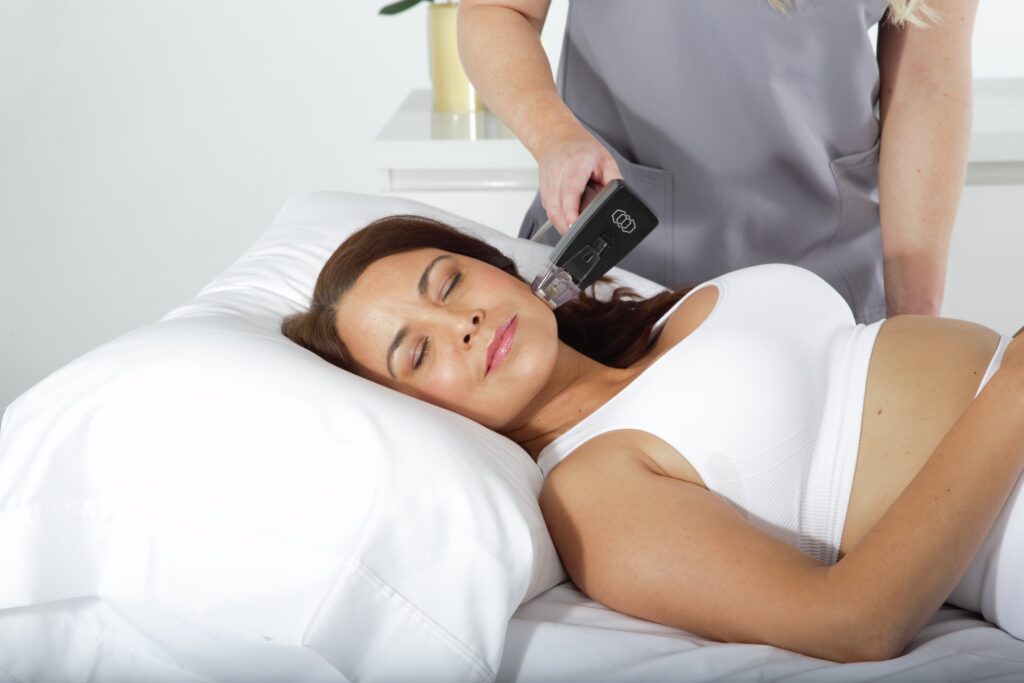
Morpheus8 provides advantages that make it increasingly popular for facial and body rejuvenation. Understanding these benefits helps patients determine if this treatment suits their goals.
Addressing Multiple Skin Concerns Simultaneously
A single Morpheus8 session improves texture, tightness, tone, and contour. This comprehensive approach eliminates the need for multiple separate treatments.
Patients can address fine lines, acne scars, enlarged pores, and skin laxity in one procedure. The efficiency saves both time and money compared to combining different treatments.
The versatility of Morpheus8 makes it suitable for patients with complex aesthetic concerns. Customized treatment plans target multiple issues during each session.
Minimal Downtime Compared to Surgical Procedures
Redness and mild swelling represent the primary side effects. These temporary reactions resolve quickly without significant disruption to daily life.
The non-surgical nature of Morpheus8 appeals to patients seeking improvement without extensive recovery periods. It provides meaningful results without surgical risks or extended downtime.
Safe Application on Various Body Areas
Morpheus8 treats both facial and body concerns effectively. Common treatment areas include the face, neck, chest, abdomen, arms, and thighs.
The technology works safely on most body regions requiring skin tightening or texture improvement. This versatility makes it a comprehensive solution for whole-body rejuvenation.
Aesthetic providers can combine facial and body treatments in single sessions or separate appointments. This flexibility accommodates different patient preferences and schedules.
Effective Results Across Different Skin Types
Unlike some laser treatments, Morpheus8 works safely on all skin tones. The radiofrequency energy does not target melanin, reducing the risk of pigmentation changes.
Individuals with darker skin tones who cannot safely undergo certain laser treatments benefit from this technology.
When to Choose Microneedling Results Over Morpheus8
Traditional microneedling remains an appropriate choice for certain patients and situations. Understanding when to select this option ensures optimal treatment decisions.
Budget-Conscious Patients Seeking Gradual Improvement
Morpheus8 vs microneedling differs significantly in cost. Traditional microneedling costs less per session than radiofrequency treatments.
Patients working within limited budgets may prefer the more affordable option. Spreading improvements over more sessions at lower cost per treatment fits some financial situations better.
The gradual results timeline also suits patients who prefer subtle, progressive changes. Some individuals feel more comfortable with slow improvements rather than dramatic shifts.
Mild Skin Concerns Without Laxity Issues
Patients with minor texture problems, small pores, or early fine lines may achieve satisfactory results with traditional microneedling. These mild concerns do not require the more aggressive approach Morpheus8 provides.
Younger patients performing preventative treatments often find standard microneedling sufficient. The collagen stimulation helps maintain skin quality without addressing significant aging signs.
Choosing the appropriate treatment intensity for the severity of concerns prevents over-treatment. Less aggressive options work well when skin concerns remain minimal.
Patients Unable to Tolerate Heat-Based Treatments
Some individuals cannot undergo radiofrequency treatments due to medical conditions or device implants. Pacemakers, metal implants in treatment areas, and certain medical conditions contraindicate Morpheus8 treatments.
Traditional microneedling provides an alternative for these patients. It offers skin improvement without thermal energy that could interfere with medical devices.
Pregnant or nursing women should also avoid radiofrequency treatments. Standard microneedling may be acceptable depending on individual circumstances and provider recommendations.
Schedule a Morpheus8 Consultation at Dr. Adrian Lo’s Practice
Morpheus8 vs microneedling presents distinct advantages depending on individual skin concerns and treatment goals. The radiofrequency-enhanced approach provides more comprehensive improvements for moderate to severe aging signs.
Dr. Adrian Lo offers Morpheus8 treatment as part of his comprehensive aesthetic services. His practice serves patients throughout Pennsylvania, New Jersey, and Delaware seeking advanced skin rejuvenation.
Anne Newbert, BSN, RN, CCRN, performs Morpheus8 and other non-surgical treatments with precision and care. Her expertise ensures patients receive customized protocols for optimal outcomes.Schedule a consultation to determine whether Morpheus8 or traditional microneedling best addresses your specific concerns!