
Chafing between the legs is common and can often be painful. Skin irritation caused by repeated friction when the inner thighs rub together during walking, exercising, daily activities, even sitting can be uncomfortable. The skin can become red, raw, uncomfortable and intolerable.
Chafing between legs can affect people of all body types, activity levels and ages. Understanding what causes chafing, how to recognize and address symptoms and which treatments offer real relief, can help you heal faster, find relief and prevent future discomfort.
Related: How Much Fat Does Liposuction Remove?
What Causes Chafing Between Thighs
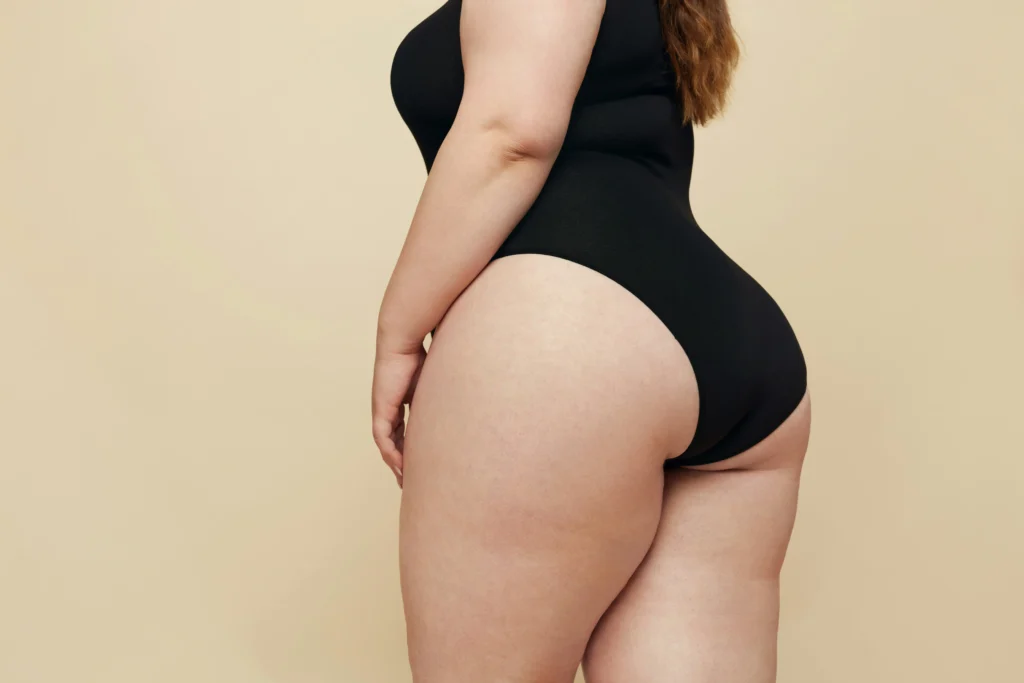
Chafing between the thighs occurs when repeated friction irritates and damages the skin. While often triggered by movement, several factors can make the irritation worse or more likely to happen. Understanding these causes can help prevent discomfort and recognize when medical evaluation may be necessary.
Skin-on-Skin Friction During Movement
When your inner thighs rub together while you walk, exercise or when you’re simply going about your day, the constant rubbing can break down your skin’s natural protective barrier. This friction may lead to redness, burning, stinging and in more severe cases, raw or open areas of skin.
The inner thigh area has thinner, more delicate skin, making it especially vulnerable to irritation. Any repetitive motion that brings your thighs together such as running, cycling, walking long distances can cause chafing.
Moisture and Sweat Buildup in Warm Weather
Moisture is one of the biggest contributors to friction-related skin irritation. When sweat accumulates, it creates a slippery environment where skin slides more easily against itself. This repeated movement increases the friction and speeds up irritation and skin breakdown.
During hot, humid weather the body naturally produces more sweat to stay cool. This excess moisture can make chafing between legs worse. Your body produces moisture to cool down, but this moisture contributes to skin irritation.
Areas where thighs touch tend to trap heat and moisture, creating an ideal environment for chafing to develop quickly during physical activity or even through the course of a normal day.
Clothing Materials That Increase Irritation
Certain fabrics and clothing styles can worsen chafing between the legs. Rough fabrics like denim or heavy cotton tend to drag across the skin more harshly. When these materials combine with sweat and movement, these fabrics create even more friction.
Fit matters just as much as fabric.
- Tight clothing that bunches, rolls or rides up increases rubbing in concentrated areas.
- Loose clothing that shifts constantly can also contribute to irritation by creating inconsistent points of contact and uneven rubbing.
Seams, tags, and thick fabric edges add pressure points that dig into the skin. These features can make chafing worse than smooth, seamless garments.
Body Shape and Natural Thigh Contact
Everyone’s body is different and the natural shape of your legs and hips determines whether your thighs touch when you stand or move. Many people have wider hips or more muscular thighs that naturally touch and come together.
Importantly, thigh chafing has nothing to do with weight alone. Athletes with strong, muscular thighs often experience chafing between legs just as much as people with softer, fuller thighs. Body composition, muscle distribution and gait patterns all influence how and where friction occurs.
How to Prevent Chafing Between Legs
Moisture is one of the biggest triggers for friction irritation. Preventing thigh chafing is easier and less painful than treating irritated skin. By reducing friction, managing moisture, and wearing appropriate clothing, you can stop chafing before it starts.
Wear Moisture-Wicking and Breathable Fabrics
Moisture is one of the biggest triggers for friction irritation, so choosing the right fabric is essential.
Synthetic materials designed for athletic wear pull sweat away from your skin. This reduces the moisture that makes friction worse during movement.
Moisture-wicking fabrics, often found in athletic wear pull sweat away from your skin allowing it to evaporate quickly. Polyester blends, nylon, and specialty athletic materials dry quickly and allow air circulation. These materials help keep your skin dry compared to cotton which absorbs moisture and stays damp, creating the perfect environment for irritation.
Choosing the right clothing materials is one of the most effective ways to prevent skin irritation from friction.
Tip: Look for clothing labeled as moisture-wicking, quick-dry or breathable. These products are specifically engineered to minimize chafing.
Applying Anti-Chafing Products and Skin Barriers
Specialized anti-chafing balms, gels, and powders work by forming a protective, friction-reducing layer on the skin. These products allow thighs to glide smoothly instead of catching and rubbing.
Anti-chafing balms work best when:
- Applied to clean, dry skin before getting dressed.
- Reapplied throughout the day as needed, especially before exercise or outdoor activity in hot weather.
- Carry a travel-sized option for all-day protection
While some people find success with petroleum jelly, anti-chafing products designed specifically for chafing prevention often last longer, hold up better against sweat and stay in place during movement.
Choosing Properly Fitted Clothing and Undergarments
Clothing fit directly influences how much friction occurs during movement.
Fitted shorts or compression garments that extend down your thighs are highly effective because they create a fabric barrier between your skin surfaces. This prevents direct skin-on-skin contact. Many people wear compression shorts under dresses, skirts, workout gear, jeans and regular everyday clothing.
The fit also matters significantly. Clothing that is too tight can dig into the skin and create new friction points, while clothing that is too loose may bunch, ride up and shift during movement causing uneven rubbing.
Aim for snug, comfortable garments that stay in place while you move.
Keeping the Skin Dry in High-Friction Areas
Managing moisture throughout the day is one of the simplest and most effective ways to stop chafing from developing.
Helpful moisture-control strategies:
- Blotting sweat with a clean cloth (avoid rubbing the area)
- Using absorbent powders to keep the skin dry
- Applying drying powders in the morning and reapply as needed
- Take short breaks to air out your skin during hot or active days
Even brief airflow can dramatically reduce moisture buildup and prevent chafing during long walks, workouts, or outdoor activities.
How to Treat Chafing Between Legs
Once chafing starts, proper, gentle and consistent care helps soothe irritation and prevent infection. Focusing on cleanliness, protection and rest will give your irritated skin the best chance to recover.
Clean and Protect Irritated Skin
The first step in treating chafed skin is washing the skin gently with lukewarm water and mild, fragrance-free soap to remove sweat, bacteria and debris. Pat the area dry carefully with a soft towel rather than rubbing it.
Avoid hot water and harsh soaps, which can strip moisture and worsen inflammation. Your goal is to remove sweat and bacteria without stripping away the oils your skin needs to heal.
After washing, allow your skin to air dry completely before applying any ointments or creams. Moisture trapped against chafed skin can delay healing and increase risk of infection.
Using Healing Ointments and Barrier Creams
Once the skin is clean and dry, applying a protective layer can help reduce discomfort and support recovery.
Effective treatment options include:
- Petroleum-based ointments protect healing skin while it recovers. These form a thick barrier that shields the skin from friction and locks in essential moisture. These products are helpful during the first stages of healing.
- Zinc oxide creams reduce inflammation while protecting skin. These products are often used for diaper rash and create a long-lasting protective coating over irritated skin.
How to apply treatments:
- Apply ointment in a thin layer to clean, dry skin.
- Reapply several times daily as needed especially after bathing or if the product rubs off
- Avoid over-applying which can trap sweat
These products reduce pain while protecting healing skin from additional rubbing.
Allow Adequate Time for Skin Recovery
Even with proper care, healing takes time, especially if the chafing is severe. Avoid activities that caused the initial irritation until your skin has fully recovered.
Wearing loose, breathable clothing during recovery prevents further damage. Give your skin several days to heal before returning to the activities or clothing that triggered the chafing.
If the chafed area becomes increasingly painful, warm to touch, swollen or produces discharge, these may be signs of infection. In these cases. consult a medical professional for prompt treatment.
When Medical Solutions Become Necessary for Inner Thigh Chafing
Most cases of inner thigh chafing can be managed with preventative care and at-home treatments. Some people experience chronic, severe chafing that interferes with daily activities despite prevention efforts. When lifestyle modifications do not provide adequate relief, medical intervention may offer functional improvement. For some individuals, the issue is not just about moisture or clothing—it’s about anatomy, skin health, and persistent breakdown that requires solutions.
Persistent Skin Breakdown Despite Preventive Measures
If you experience painful chafing regularly, even with protective clothing, anti-chafing products, and other prevention strategies, the underlying issue may be structural rather than just situational.
Constant friction can lead to recurring skin infections, permanent discoloration, or thickened skin (lichenification) in affected areas. These complications go beyond the occasional discomfort and can begin to affect your quality of life, indicating that medical evaluation may be necessary.
Surgical Body Contouring for Functional Relief
For patients whose inner thigh contact causes constant skin-on-skin contact, surgical options can reduce or eliminate the friction that causes chafing between legs. These procedures do more than address appearance, they can improve comfort, mobility, and quality of life. Body contouring procedures address the underlying anatomy that creates constant contact.
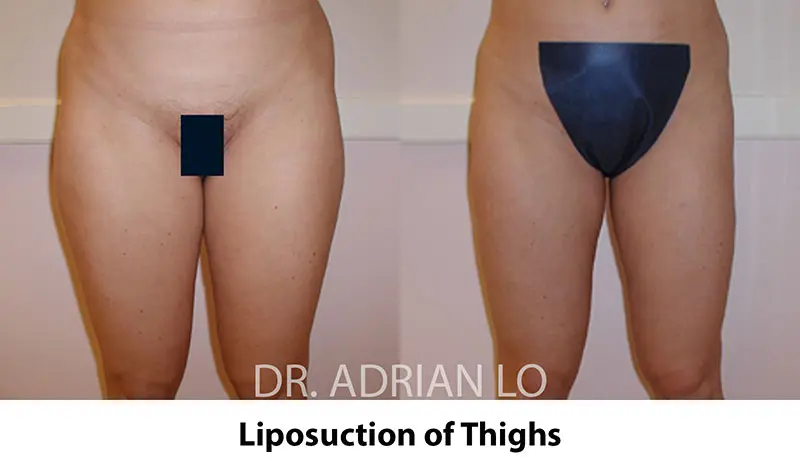
Thigh lift surgery removes excess skin and fat from the inner thigh area, reducing the tissue that rubs together during movement. By tightening and reshaping the tissue, this procedure reduces the amount of skin that rubs together during movement. The result is a smoother contour that minimizes or prevents contact between the thighs.
Liposuction may provide relief in cases where excess fat, rather than loose skin, is causing thigh contact. Reducing inner thigh volume can create additional space between the legs, decreasing friction during walking, exercise, and everyday activity.
A consultation at our Philadelphia plastic surgery office can help determine whether surgical intervention makes sense for your situation. Not everyone needs surgery, but for those with significant functional problems, it can provide long-term results and improvement in daily comfort.
Lifestyle Improvements After Treatment
Patients who pursue surgical treatment for chronic chafing often experience reduced friction, less skin irritation, and greater comfort during physical activity. These functional improvements allow for more active lifestyles.
Walking longer distances, exercising without pain, and wearing a wider variety of clothing becomes possible when inner thigh contact decreases. These changes can significantly improve the quality of life.
Maintaining results is important. Keeping a stable weight and continuing healthy habits helps preserve the improved thigh contour. Significant weight fluctuations can change your body contour and potentially bring back thigh contact over time.
Take the First Step Toward Long-Term Relief with Dr. Adrian Lo

Persistent inner thigh chafing can impact your comfort, limit physical activity and make everyday movement more difficult. When prevention strategies and at home treatments no longer provide long-term relief, a professional evaluation can help you understand the underlying cause and whether surgical treatment would help.
Dr. Adrian Lo offers a personalized approach to treating chronic chafing between the legs. During your consultation, he will assess your unique anatomy and functional concerns to recommend appropriate solutions. Whether you benefit from conservative management or would see better results from surgical intervention, an individualized consultation provides answers.
If ongoing chafing is reducing your quality of life, schedule a consultation with Dr. Lo to review your options. Expert guidance empowers you to make informed choices about your care, so you can move comfortably, stay active, and enjoy daily life without friction or irritation.