
The shape of your nose tip significantly influences overall facial balance and harmony. For individuals with a rounded, wide or poorly defined nasal tip, bulbous tip rhinoplasty can refine the nose and improve facial balance. However, this procedure comes with important nuances that every patient should understand before moving forward. It is important to understand the anatomy, limitations and recovery process associated with this specialized procedure.
A key factor in rhinoplasty outcomes is anatomy and not every patient can achieve the same degree of refinement and an experienced plastic surgeon will guide you toward realistic results that align with your unique nasal structure.
Learn About: The Dangers of High Volume Liposuction
What Makes a Nose Tip Look Bulbous?
A bulbous nose tip does not come from one single cause. Several anatomical factors can contribute to a round, undefined appearance at the tip of the nose. Understanding these factors is crucial when evaluating whether nose tip rhinoplasty can help you achieve your goals.
Thick or Heavy Nasal Skin
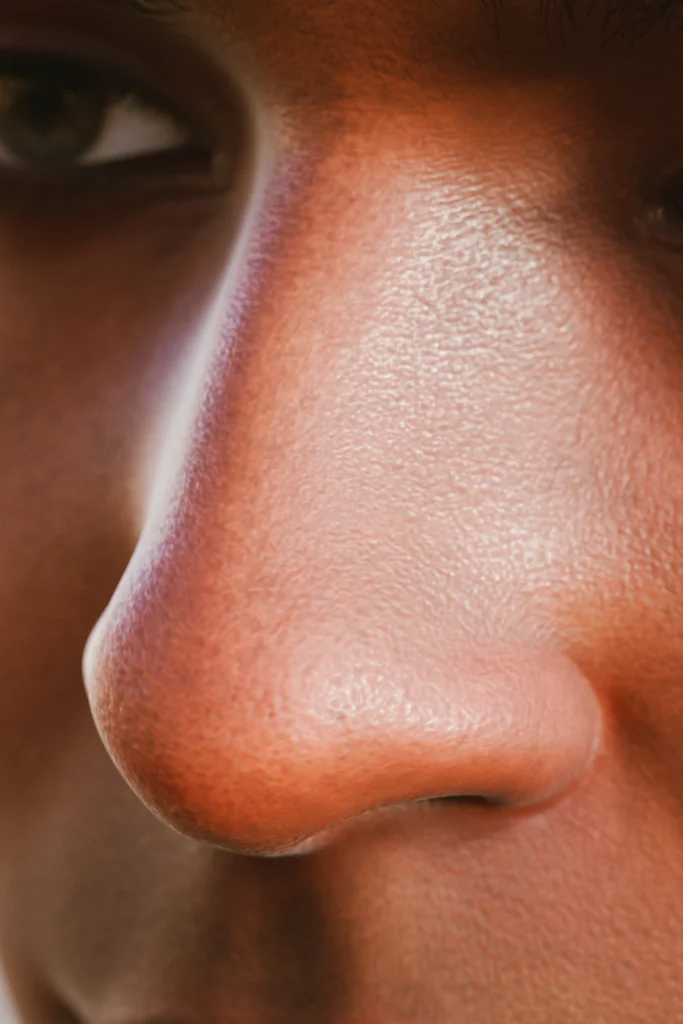
The skin covering your nose tip is one of the most important predictors in how refined the tip can look. Patients with thick nasal skin often have added soft tissue that sits heavily over the underlying cartilage. Even after the cartilage is reshaped during bulbous tip rhinoplasty, thick skin can limit how sharply defined the final result looks.
This is one of the most important points for patients to understand before surgery. The plastic surgeon can refine the cartilage, but the skin cannot always be thinned enough to show dramatic definition such as a narrow or highly angular tip.
Wide or Weak Tip Cartilage
The lower lateral cartilages form structures that give the nose tip its shape. When these cartilages are naturally wide, splayed, or weak, the tip appears soft, rounded or bulbous. Wide tip cartilage is a common reason patients seek nose tip rhinoplasty.
During surgery, a plastic surgeon can reshape, reposition, or reinforce these cartilages to create a more defined tip. The degree of improvement depends on the strength and flexibility of the existing cartilage and how it responds to these changes.
Excess Soft Tissue or Fatty Tissue at the Tip
Some patients have extra soft or fatty tissue between the skin and cartilage at the nose tip. This additional layer adds bulk creating a bulbous appearance even when the cartilage structure itself is not dramatically wide. Reducing the tissue in a wide nose tip can help improve definition, though it is not always possible to remove enough to create a sharp contour. The tissue can be carefully reduced only within safe limits to avoid damaging blood supply or creating irregularities.
How Bulbous Tip Rhinoplasty Is Performed
Bulbous tip rhinoplasty focuses on refining the structures responsible for the rounded tip appearance. Techniques will vary depending on each patient’s anatomy and desired outcome.
Reshaping and Repositioning the Tip Cartilage
The primary focus of nose tip surgery involves modifying the lower lateral cartilages. A plastic surgeon may:
- Trim the outer edges of the cartilage
- Narrow its shape with sutures to bring the cartilage together
- Reposition it
- Add grafts for support and projection.
Thinning the Nasal Skin or Soft Tissue When Possible
In select cases, the plastic surgeon can reduce the soft tissue layer beneath the skin during bulbous tip rhinoplasty. However, this must be done carefully to avoid affecting blood supply or creating irregularities. Skin thinning is not appropriate for every patient and the amount of reduction that is safe varies significantly.
Patients with very thick skin should discuss realistic expectations with their plastic surgeon on how much skin thickness can realistically be addressed.
Combining Tip Refinement With Other Nasal Improvements
Many patients who seek bulbous tip rhinoplasty may also want to address other concerns such as:
- A dorsal hump
- Nasal width
- Nostril shape
- Nose length or projection
Combining procedures in a single rhinoplasty nose job allows the plastic surgeon to create overall nasal harmony rather than only improving the nasal tip.
Addressing the tip without considering the rest of the nose can sometimes create an imbalanced result. Your plastic surgeon will evaluate your entire nasal structure during your consultation and consider nasal harmony and balance.
Why Results Vary From Patient to Patient
One of the most important things to understand about bulbous tip rhinoplasty is that results are not the same for everyone. Several anatomical factors directly affect what is achievable.
The Role of Skin Thickness in Final Outcome
Skin thickness is the single greatest limiting factor in nose tip rhinoplasty. Patients with thin skin typically see the more noticeable refinement because the underlying cartilage changes are more visible through the skin. Patients with thick skin can still achieve a refined look but the results tend to be soft rather than sharply defined.
This is not a reflection of surgical skill. It is simply a limitation of anatomy that no plastic surgeon can fully overcome.
Cartilage Strength and Its Effect on Definition
Strong, resilient cartilage holds its new shape more reliably after surgery. Weak or very flexible cartilage can sometimes shift over time, which may soften the initial result. A plastic surgeon may need to use cartilage grafts to add structural support when the existing cartilage is not strong enough on its own.
The source of graft cartilage, whether from the septum or ear, influences how the tip feels and looks long term.
Anatomical Limitations – Why Some Patients Cannot Achieve a Highly Refined Tip
Some patients come into consultations with inspirational photos of noses featuring very, narrow or highly sculpted tips. For certain nasal structures, particularly with thick skin and wide cartilage, that level of definition simply isn’t achievable—even in expert hands.
A qualified plastic surgeon will help you understand what is a realistic successful result for your specific nose.
What to Expect Before Your Bulbous Tip Rhinoplasty
Preparing well before surgery sets the foundation for a smooth experience and a better outcome.
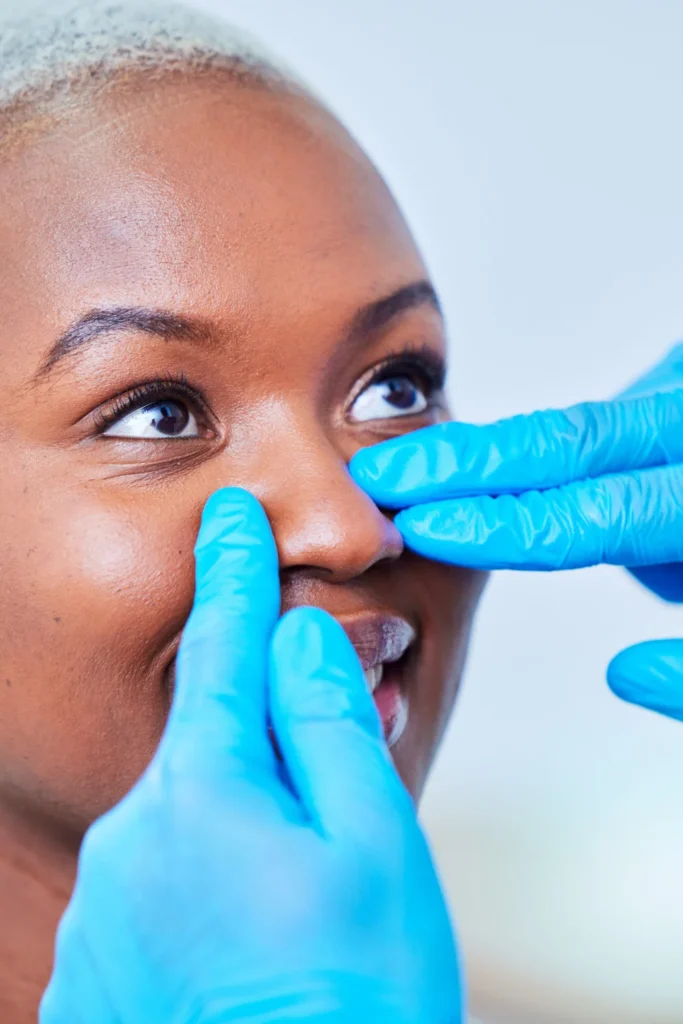
Comprehensive Consultation and Anatomy Assessment
During your consultation, your plastic surgeon will assess:
- Skin thickness
- Cartilage structure/shape
- Nasal proportions
- Breathing problems
- Prior injuries or surgeries
This evaluation allows for a detailed, personalized, realistic surgical plan to be developed for you. You may also review before and after photos of similar cases to better understand the range of possible results.
Be prepared to discuss your medical history and all medications or supplements you currently take.
Setting Realistic Goals
Clear communication is essential. Communicating what bothers you most about your nose and understanding what your anatomy will allow helps ensure better satisfaction with your final results.
Patients with bulbous nose tip who have realistic expectations tend to be more satisfied with their rhinoplasty results, even when the improvement is meaningful but not dramatic.
Preparing for Surgery
In the weeks before your procedure, you may be instructed to:
- Stop taking medications or supplements that increase bleeding eg. blood thinners, aspirin, protein supplements
- Smoking must also be stopped well in advance, as it significantly impairs healing
- Prepare your home recovery space with everything you need within easy reach, especially ice packs for swelling
- Stock up on soft foods
- Arrange for someone to help you in the first few days and plan to keep your head elevated as much as possible.
Proper preparation supports smoother healing.
What to Expect After Bulbous Tip Rhinoplasty Surgery
Recovery from nose tip surgery takes patience. The healing process unfolds gradually over many months.
Swelling and the Early Healing
Swelling after bulbous tip rhinoplasty peaks within the first one to two weeks. During this time, the nose will look larger and more swollen than the final result. Most patients feel comfortable returning to non-strenuous work and social activities within two weeks, though internal healing continues.
The nasal tip swells more than any other area and stays swollen the longest, especially when significant tip-work was performed.
When You Will See Your Nose Tip Rhinoplasty Results
Most of the visible swelling will reduce within the first three months. However, the nose tip specifically can remain slightly swollen for up to one full year or longer, particularly in patients with thicker skin. Patients with thicker skin often require more patience as definition emerges slowly.
It is common to feel uncertain about results during the first several months. The shape you see at week four or eight is not your final result. Patience is a genuine requirement of this process.
Long-Term Maintenance for Rhinoplasty Results
Once healed, rhinoplasty results are long lasting. Protecting your nose from direct trauma is important, especially in the first year when the tissues are still maturing. Wearing sunscreen on the nose helps prevent changes to the overlying skin.
Follow-up appointments with your plastic surgeon allow for ongoing monitoring of your healing and gives you the opportunity to ask questions as your nose continues to settle.
Work With Dr. Adrian Lo for Your Bulbous Tip Rhinoplasty in Philadelphia
Understanding what bulbous tip rhinoplasty can realistically achieve is the first step toward a satisfying surgical experience. Dr. Adrian Lo provides detailed consultations for patients throughout Pennsylvania, New Jersey, and Delaware, offering guidance to what each patient’s anatomy allows and highly specialized surgical expertise.
If you are considering nose tip surgery, schedule a consultation with Dr. Adrian Lo to discuss your anatomy, aesthetic goals and explore what results are possible for your unique nose. Philadelphia plastic surgery patients receive personalized care from evaluation through recovery.