

Botox® injections are a popular, minimally invasive treatment. Botox® bruising may occur in patients following their injection treatments. While minor bruises are common and can occur as part of the treatment, there are several effective strategies to help reduce its likelihood and severity.
Understanding why bruising occurs and learning how to prevent it can help you feel more prepared for your appointment. Taking the right steps before and after your treatment not only minimizes bruising but also ensures a smoother recovery experience and optimal cosmetic results.
Related: Dermal Fillers for Nasolabial Folds: What to Know Before Treatment
Why Bruising After Botox® Occurs
Needle Penetration and Small Blood Vessels
Your face contains thousands of tiny blood vessels called capillaries. When a needle enters your skin during Botox® injections, it may inadvertently come into contact with one of these vessels. Even with precise expert technique, it is impossible to avoid every capillary or blood vessel..
When the needle punctures a vessel wall, a small amount of blood can leak into the surrounding tissue. This leakage creates the familiar purple or blue discoloration that we recognize as a bruise. This process is similar to bruising that can occur anywhere on your body.
Individual Skin Sensitivity and Thickness
Bruising after Botox® treatment varies from person to person. Several factors influence this tendency:
- Genetics and Skin Thickness: Some individuals naturally bruise more easily due to genetic factors. Skin thickness also plays a role with thinner skin making bruising more visible compared to thicker skin.
- Collagen Levels and Age: Collagen production decreases with age making blood vessels more fragile and prone to bruising, even from minor trauma..
Injection Site Location on the Face
Certain areas of your face contain more blood vessels than others. For example, the area around your eyes has dense vascular networks. Injections near the crow’s feet or around the eyes carry a higher bruising risk.
In contrast, the forehead typically has fewer visible vessels. Many patients experience less Botox® bruising in this area compared to other treatment zones.
Medications That Affect Blood Clotting
Many common medications and supplements can interfere with your blood’s ability to clot properly, making bruising more likely to occur after Botox® injections.
- Blood thinning medications such as aspirin, ibuprofen, and other anti-inflammatory drugs thin your blood.
- Supplements like fish oil, vitamin E, and ginkgo biloba have similar blood thinning effects.
- Protein supplements may also increase the risk of bruising.
All these medications can increase the risk of bruising.
How to Prevent Botox® Bruising Before Your Appointment
Avoiding Blood-Thinning Medications and Supplements
To reduce the risk of bruising after Botox®, some practices recommend patients to stop taking non-essential blood thinners and supplements at least one week before your appointment. These include over-the-counter pain relievers such as aspirin and ibuprofen. Common supplements that thin blood include fish oil, vitamin E, ginkgo biloba, and garlic extract.
If you take prescription blood thinners for a medical condition, it is important to consult both your primary care doctor and your injector before proceeding with Botox® treatment.
Create a complete list of all the medications you take regularly, including herbal supplements. Some natural products have blood-thinning properties that you might not be aware of and may need to be stopped before your Botox® appointment.
Why Avoid Alcohol Before Botox®?
Alcohol can increase your risk of bruising after Botox® injections as it dilates your blood vessels and impairs clotting function. Both effects make it easier for blood to leak into surrounding tissue if a vessel is punctured during treatment, increasing your risk of bruising after Botox® treatment. To minimize bruising, avoid all alcoholic beverages for at least 48 hours before your treatment.
Wine, beer, and spirits all have similar effects on your circulatory system. The type of alcohol does not matter. Abstaining alcohol prior to treatment provides the best protection against bruising and ensures a smoother recovery.
Scheduling Botox® Appointment Around Your Menstrual Cycle
Hormonal fluctuations during menstruation can increase bruising tendency. Many women notice they bruise more easily during their period.
If possible, schedule your Botox® appointment during the middle of your cycle, when you are not menstruating, to reduce this risk. However, this timing strategy may not work for everyone. If treatment during menstruation is needed, following other prevention strategies such as avoiding alcohol, blood thinning medications and supplements becomes more important.
Stay Hydrated in the Days Leading Up for a Better Botox® Experience
Proper hydration supports healthy blood flow and tissue resilience, which can minimize bruising after Botox® injections. Drink plenty of water in the days leading up to your appointment. Well-hydrated skin may respond better to injections with less trauma.
Aim for at least eight glasses of water daily. Avoid excessive caffeine, which can dehydrate you and potentially increase bruising risk. A simple hydration routine can make a noticeable difference in your recovery and overall results.
What Botox® Side Effects to Expect Beyond Bruising
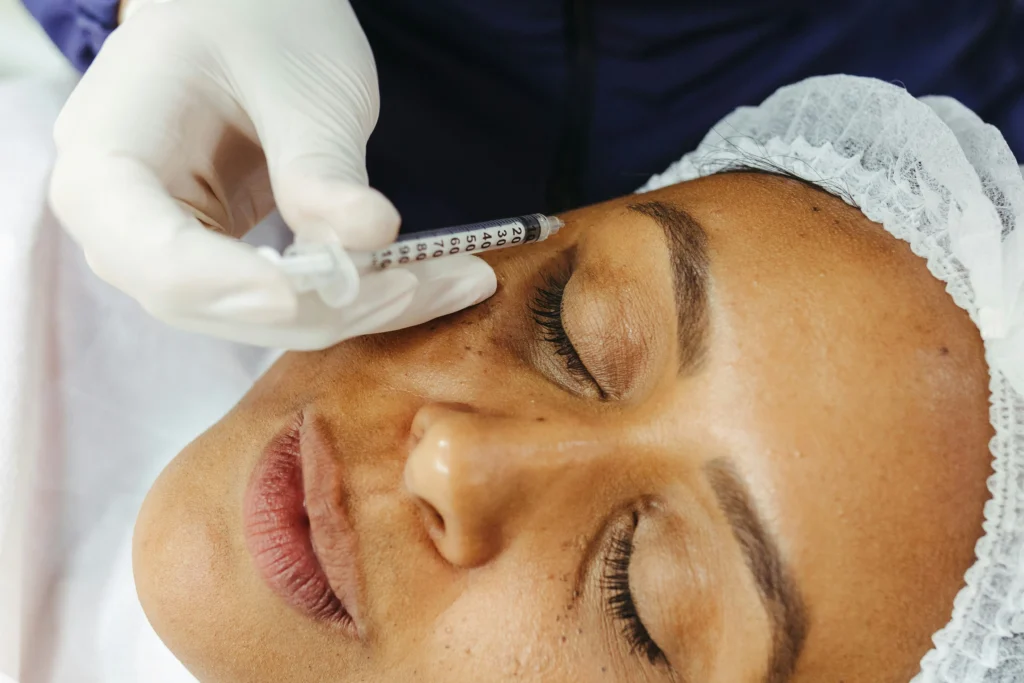
Temporary Swelling and Redness After Botox®
Mild swelling at injection sites is normal and typically resolves within a few hours. This occurs because the needle creates minor inflammation as part of your body’s natural healing response. This swelling does not indicate an allergic reaction or complication.
You may notice slight redness immediately after the injections. This flush usually fades quickly as your skin settles. Applying a cold compress helps reduce both swelling and redness, making recovery more comfortable.
Mild Tenderness at Injection Points
It is common to feel slight soreness when touching treated areas after Botox® injections. This tenderness is similar to what you may experience after receiving any routine injection. The discomfort is generally mild and requires no pain medication.
The tenderness should improve each day as your body heals. If pain increases or becomes severe, contact your plastic surgeon or aesthetic nurse injector promptly to rule out complications.
Slight Headache Following Treatment
Some patients develop a mild headache after Botox® injections, particularly when treating the forehead or between the eyebrows. The headache is typically short lived and resolves within 24 to 48 hours. If needed, over-the-counter acetaminophen can provide relief.
Headaches tend to be more common in first-time Botox® patients. Subsequent treatments often produce fewer or no headaches at all.
Temporary Minor Asymmetry During Initial Settling Period
Your results may appear slightly uneven immediately after treatment. Factors such as swelling, injection technique, and muscle response can contribute to temporary asymmetry.
In general, Botox® takes three to seven days to reach its full effect. Most minor asymmetries resolve on their own as the product settles. If asymmetry persists beyond two weeks, your plastic surgeon or aesthetic nurse can make small adjustments to ensure balanced, natural-looking results.
Botox® Injection Care – Post Treatment Care to Reduce Bruising and Swelling
Applying Ice Packs to Reduce Swelling
After your Botox® injection, gently apply ice packs or cold compresses immediately after your treatment to the injection sites for 10 to 15 minutes. The cold constricts blood vessels reducing blood flow to the area, limiting discoloration and minimizes both bruising and swelling.
Always wrap ice packs in a clean cloth or medical gauze to protect your skin. Never apply ice directly to your face, as extreme cold can damage tissue.
Keeping Your Head Elevated for Several Hours
After your Botox® treatment, it is important to maintain an upright position for at least four hours after your appointment. This precaution prevents the Botox® from migrating to unintended areas and supports optimal placement. Elevation also reduces blood flow to your face, which can minimize bruising.
Sleep with your head elevated on extra pillows the first night. This position promotes proper settling of Botox®, i.e. optimal product placement and helps reduce morning puffiness.
Avoiding Strenuous Exercise for 24 Hours
Physical activity increases blood flow and raises blood pressure. Both factors can worsen bruising and swelling after Botox®. To protect your results, skip your workout routine for at least 24 hours following treatment.
Light walking is acceptable, but avoid anything that makes you breathe heavily or sweat. High-intensity activities, hot yoga, and heavy lifting should wait 24 to 48 hours. Resuming exercise too soon may also cause the Botox® to migrate beyond the intended treatment areas, reducing precision and effectiveness.
Skipping Makeup Application on Treatment Day
To protect your results and reduce infection risk, avoid applying makeup for several hours after your Botox® injections. Cosmetics can introduce bacteria to the injection sites, increasing the change or irritation or complications.
If you must wear makeup the same day, apply it very gently. Use clean brushes or applicators to minimize infection risk.
A little extra care ensures your skin heals properly and your Botox® results look their best.
Botox® Recovery Tips and Watch Outs After Your Botox Treatment
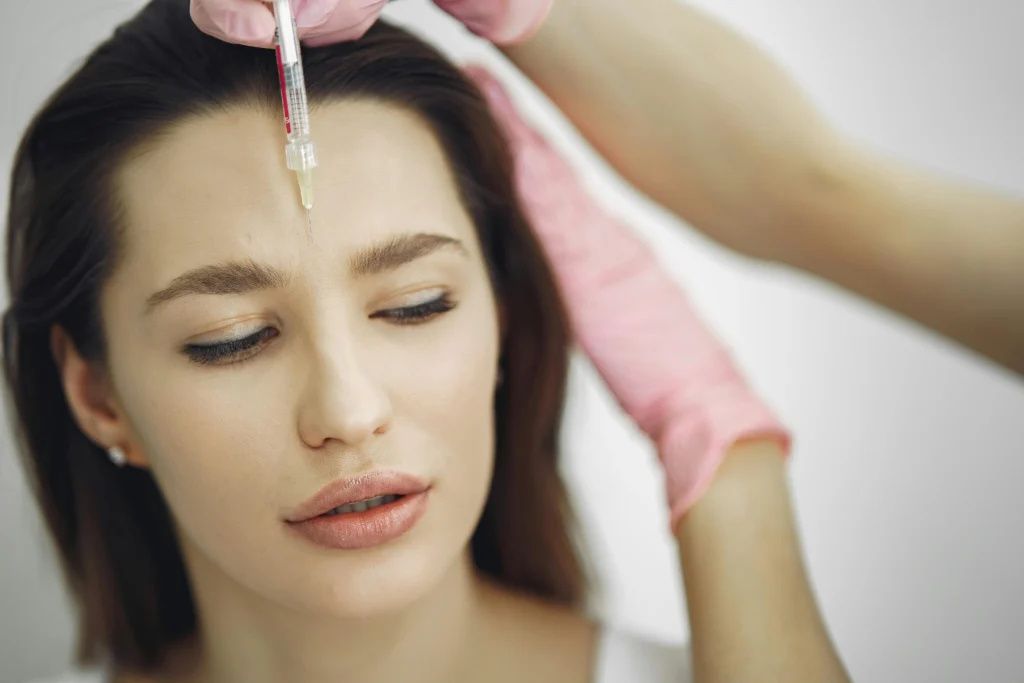
Bruising That Worsens After Three Days
Normal bruising typically peaks within the first 48 hours and then begins to fade. If bruising darkens or spreads after three days, it may indicate an issue that requires attention. Contact your plastic surgeon or aesthetic nurse injector if you notice this pattern.
Progressive bruising could suggest continued bleeding beneath the skin, which is rare but important to address. If you notice this situation, contact your plastic surgeon or aesthetic nurse injector for evaluation and possible intervention.
Excessive Swelling or Unusual Pain
Mild swelling and discomfort are normal after Botox®. Significant swelling that worsens instead of improving requires medical attention. Severe pain beyond mild discomfort also warrants a call to your plastic surgeon. These symptoms may indicate an infection or allergic reaction.
Book Your Botox® Treatment with Dr. Adrian Lo and Anne Newbert BSN RN
Dr. Adrian Lo provides expert Botox® treatments with focus on precision, patient comfort and natural looking results. attention to minimizing Botox® side effects. Our technique prioritizes precision and patient comfort while achieving natural-looking results. Our team includes Anne Newbert, BSN, RN, CCRN, a highly skilled nurse injector, who also offers Botox® services at the practice.
We prioritize education and safety. Patients will receive guidance on how to prevent Botox® bruising and Botox® recovery tips. Each appointment includes detailed aftercare instructions customized to your situation ensuring smooth healing and optimal results.
Understanding the causes of bruising after Botox® empowers you to take preventive steps. By following professional guidance about preparation and aftercare significantly reduces your risk of visible bruising. Most patients find that with proper planning, they can return to normal activities quickly and confidently. Ready to refresh your look? Schedule a consultation at Dr. Adrian Lo’s office to discuss your cosmetic treatment goals. Our practice serves patients throughout Pennsylvania, New Jersey, and Delaware with expert care and proven results.