
Natural aging leads to changes in facial appearance through volume loss, skin laxity, and gradual descent of deeper tissues. With several facelift techniques available to address these concerns, it is often difficult for patients to understand which approach will best achieve their desired results.
The deep plane facelift and traditional (SMAS) facelift each target different tissue layers and deliver distinct aesthetic outcomes. Understanding how these procedures differ in technique, longevity and overall results can help you determine the most effective option for your facial rejuvenation goals.
Learn About: How Much Fat Does Liposuction Remove?
What is a Deep Plane Facelift?
How a Deep Plane Facelift Addresses Facial Aging

A deep plane facelift elevates and repositions the deeper structural layers of the face rather than simply tightening the skin alone. This advanced technique lifts the SMAS layer (superficial musculoaponeurotic system) along with the overlying skin together as a single unit, allowing the plastic surgeon to restore youthful contours where aging is most visible such as the midface, jowls, and neck.
By releasing and repositioning deeper ligaments and tissues, this procedure treats the true source of facial sagging by lifting tissues from their foundational layer. This approach creates natural, long lasting rejuvenation, avoiding the overly pulled appearance sometimes associated with more surface-level techniques.
Why the Deep Plane Technique Differs from Traditional Approaches
Unlike traditional facelifts which typically tighten the skin or primarily work on the superficial layer, the deep plane facelift works beneath the SMAS layer. This deeper access allows for more comprehensive lifting of the midface, jowls and neck.
Because the technique requires precise anatomical knowledge and advanced surgical skill, not all plastic surgeons offer it. Plastic surgeons who perform deep plane facelifts undergo specialized training due to the procedure’s technical demands and intricacy of the underlying facial structures.
Facial Areas That Benefit Most from a Deep Plane Facelift
The deep plane facelift approach is especially effective for restoring youthfulness in the midface including:
- Cheeks
- Nasolabial folds
- Areas around the mouth where age-related volume loss becomes prominent
The procedure also lifts and defines the jawline by correcting jowling and improves neck contour by addressing deeper tissue descent, not just excess skin.
Patients with moderate to advanced signs of facial aging typically see the most dramatic improvement. The technique works well for individuals seeking significant natural-looking rejuvenation rather than subtle refinement.
How Traditional Facelifts Work
Subcutaneous Facelift Technique and Approach

A traditional subcutaneous facelift focuses on lifting and tightening the skin layer without altering the deeper facial structures. During this procedure, the skin is carefully lifted from the underlying tissues, excess skin is removed, and the remaining skin is redraped for a smoother appearance.
This approach is often appropriate for:
- Patients with early signs of aging
- Individuals with good skin elasticity
- Older patients whose primary concern is loose facial or neck skin rather than deeper tissue descent.
The procedure typically requires less operative time. Recovery can be faster compared to more extensive techniques. However, results may not be as long lasting especially for patients with moderate to significant tissue laxity.
SMAS Facelift: Method and Applications
A SMAS facelift delivers a more comprehensive rejuvenation than a skin-only lift by repositioning the SMAS layer, the supportive fibromuscular layer beneath the skin. Often considered a balanced option between subcutaneous facelifts and deep plane facelifts, this technique has been a trusted surgical standard for decades.
Unlike skin-only procedures that rely solely on tightening the surface, a SMAS facelift involves tightening, folding or “plicating” the SMAS layer to restore structural support. By reinforcing this deeper foundation, plastic surgeons can achieve improved definition along the jawline and a more youthful overall contour.
SMAS plication provides predictable, effective, and long lasting results. It may deliver the same degree of midface and jawline transformative as a deep plane facelift, which repositions deeper anatomical layers for more extensive midface and jawline rejuvenation. For many patients, the SMAS approach offers an excellent option for rejuvenation and refinement.
Limited-Incision Facelift Options
Mini facelifts and limited-incision techniques are designed to address early signs of aging with smaller incisions and shorter recovery times. These techniques are ideal for younger patients or individuals with localized concerns such as mild lower-face sagging or early jowl formation. The recovery time is shorter, but the results are more limited in scope.
Because mini-facelifts focus primarily on the lower face and jawline, they deliver subtle targeted improvements. However, they may not adequately address midface aging, significant skin laxity or neck banding, making mini-facelifts better suited for patients seeking modest enhancement rather than complete facial rejuvenation.
What are the Key Differences Between Deep Plane and Traditional Facelifts?
Understanding the distinctions between a deep place facelift and traditional SMAS facelift is essential for patients seeking natural long-lasting facial rejuvenation. While both techniques address facial aging at a structural level, they differ significantly in how tissues are repositioned, how long results last and what patients can expect during recovery.
Deep Plane Facelift vs SMAS in Tissue Repositioning
The primary difference between deep plane and traditional facelift techniques lies in how facial tissues are manipulated.
- Deep plane facelift: This method lifts the skin and SMAS layer together as one unit. By releasing deeper ligaments and repositioning tissues along natural vertical vectors, plastic surgeons can restore youthful contours without excessive tension on the skin. This unified lift often produces more natural, longer-lasting results, especially in the midface, nasolabial folds and jawline.
- Traditional SMAS Facelift: SMAS facelifts address the skin and SMAS layers separately through folding, suturing or plication. While very effective and widely used, this technique focuses more on tightening than on relocating deeper anatomical structures. As a result, improvements can be substantial but may appear less transformative than those achieved with deep plane techniques.
Because the deep plane approach repositions underlying facial support structures rather than simply tightening them, many patients experience more harmonious movement and a softer, more natural aesthetic.
How Long Do Deep Plane Facelift Results Last Compared to Traditional Techniques?
One of the most common questions patients ask is how long will results last? The differences between techniques determine the duration of results.
Duration of Deep Plane Facelift Results Compared to Traditional SMAS Facelift Longevity
Deep plane facelift results may last longer than traditional facelift outcomes. As the procedure addresses deeper structural support and repositions structural tissues, the results may last 10 to 15 years or longer. Many patients maintain noticeable improvements well beyond a decade.
Traditional SMAS facelift, while highly effective, generally lasts about 8 to 10 years before aging changes become more visible again.
It is important to note that facelift longevity is highly individual. Genetics, skin quality, sun exposure and lifestyle habits all influence how long results last.
However, deeper tissue repositioning achieved in a deep plane facelift generally provides more durable resistance to gravity and continued aging.
Recovery Timeline Differences Between Deep Plane and Traditional Facelifts
The recovery process is another distinction patients should consider in determining which facelift best meets their aesthetic goals.
Deep plane facelift recovery generally involves more initial swelling and bruising during the initial healing phase compared to traditional methods. Most patients return to normal activity within 2 to 3 weeks. Full recovery and resolution of residual swelling can take months.
Traditional SMAS facelift recovery often allows for faster initial recovery. Many patients return to work within 10 to 14 days. However, the trade-off for this shorter downtown may be less midface rejuvenation results.
While deep plane facelifts require more healing time upfront, they often provide the most balanced, natural and long-lasting results, especially for patients with more advanced signs of facial aging.
What Factors Determine Which Facelift Technique is Right for You?
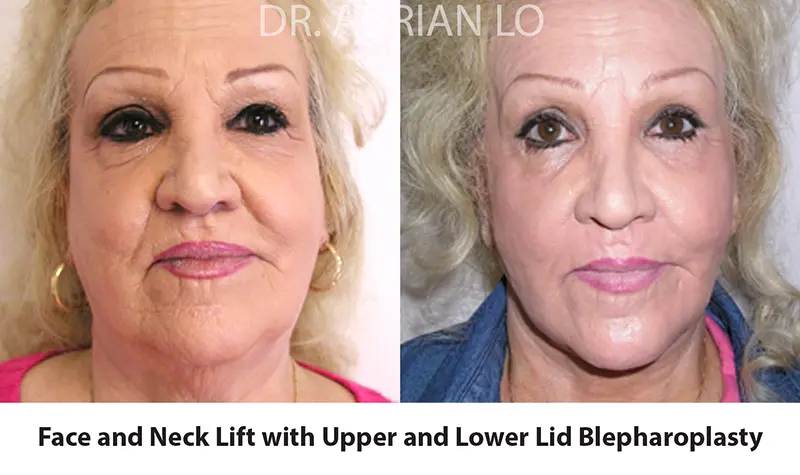
Choosing the most appropriate facelift technique depends on a combination of anatomical, aesthetic, and lifestyle factors. During your consultation, a board‑certified plastic surgeon evaluates facial aging patterns, skin quality, health status, and personal goals to determine whether a deep plane facelift, traditional SMAS facelift, or a limited‑incision approach will deliver the best results.
Age and Degree of Facial Sagging
Age is not the sole predictor of the ideal facelift technique—but it often correlates with the severity of tissue descent and skin laxity.
- Patients in their 40s and 50s with early signs of aging such as mild jowls, slight cheek deflation or early neck laxity may achieve excellent results with traditional SMAS techniques or limited incision facelift.
- Patients in their 60s and beyond with advanced changes, including pronounced jowling, midface sagging deep nasolabial folds and significant neck laxity often benefit from deep plane approaches.
Skin quality also plays a major role. Patients with good skin elasticity may not require extensive tissue repositioning that deep plane techniques provide. Those with poor skin quality, thinner or more lax skin, often benefit from the structural support and lift achieved through deep plane surgery. More significant sagging typically requires more comprehensive intervention.
Desired Outcome and Natural Appearance Goals
Your goals for facial rejuvenation help guide which technique will deliver the most appropriate result.
For maximum rejuvenation and natural improvement: Deep plane facelift before and after photos often demonstrate more dramatic midface improvement, smooth contours and natural-looking results. Patients seeking maximum rejuvenation while maintaining their unique facial characteristics often prefer this approach. The technique repositions the cheek fat pads and deeper tissues rather than relying on skin tightening. Patients who desire significant yet natural appearing rejuvenation often choose this option.
For subtle enhancement with minimal downtime: Traditional SMAS facelifts or limited incision techniques may be ideal for patients seeking moderate improvements without extensive surgery. These methods tighten tissues effectively but are less transformative than deep plane techniques.
Deep Plane Facelift Cost Compared to Traditional Facelift Options
Deep plane facelifts generally cost more than traditional facelifts due to more advanced surgical approach and longer operative time. Deep plane facelift costs generally range from $15,000 to $30,000 or more, depending on geographic location and plastic surgeon expertise. Traditional facelifts may cost $10,000 to $20,000.
Because facelifts are cosmetic procedures, insurance does not cover the surgery or related expenses. Patients should plan for additional costs, such as consultations, postoperative medications, garments or other recovery supplies.
Health Status and Recovery Considerations
A patient’s overall health and ability to recover safely play an essential role in determining the appropriate facelift technique.
Good overall medical health is essential for any facelift procedure. Patients with medical conditions affecting circulation, wound healing or anaesthesia tolerance may need to consider less extensive surgical options. Those unable to take extended time off work might prefer procedures with shorter recovery periods.
Recovery time availability is a key factor. Deep plane facelifts require longer initial recovery due to deeper tissue repositioning. Traditional facelifts may allow quicker return to work and social activities.
Smoking is a significant concern. Nicotine significantly impairs wound healing and must be discontinued well before surgery. Your plastic surgeon will evaluate medical history, current medications, and lifestyle factors during consultation to recommend the most appropriate technique. Two to four weeks of smoking cessation is required to reduce the risk of complications.
Schedule Your Consultation with Dr. Adrian Lo to Determine the Best Facelift for You
Choosing between a deep plane facelift and traditional SMAS facelift requires expert evaluation of your facial anatomy, aging pattern and aesthetic goals. Dr. Adrian Lo (Marlton) provides thorough, personalized comprehensive consultations to help patients understand which approach will deliver the most natural and long-lasting results. During your appointment, Dr. Lo will assess your facial structure, review your concerns, and explain what you can expect from each facelift technique.
If you are seeking a trusted Philadelphia plastic surgery team, Dr. Lo and his team offer the experience, precision and patient-centered care needed to achieve exceptional facial rejuvenation outcomes.
Schedule a consultation to explore your facial rejuvenation options and discover the most effective approach for restoring a refreshed youthful appearance.