

Male breast tissue enlargement, or gynecomastia, affects millions of men at different life stages. Some cases resolve naturally while many cases persist indefinitely. Understanding whether gynecomastia goes away on its own depends on factors like the underlying cause and the age when symptoms first appear.
Related: Liposuction for Men: Common Treated Areas and What to Expect
What Causes Gynecomastia to Develop: Does Gynecomastia Go Away On Its Own?
Hormonal Imbalances During Puberty
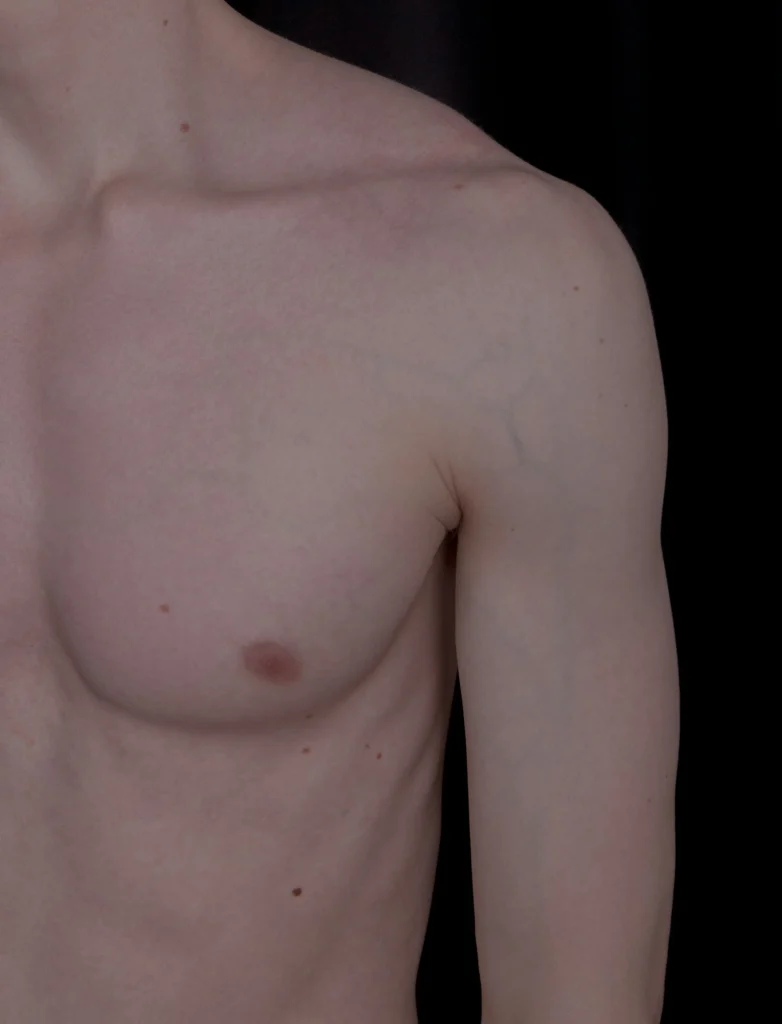
Hormonal causes of gynecomastia often begin during teenage years when testosterone and estrogen levels fluctuate. These shifting hormones regulate male breast tissue development. When estrogen levels rise relative to testosterone, breast tissue grows and leads to noticeable chest enlargement. This hormonal imbalance can create a visible breast mound on the chest often referred to as male breast enlargement or “man boobs”.
Puberty triggers significant hormone shifts in all adolescent males. Some experience more pronounced testosterone-estrogen imbalances than others. The condition affects many boys during puberty, making it a common developmental concern.
Medication Side Effects in Adults
Certain medications can disrupt hormone levels and trigger breast tissue growth in adult men. Blood pressure medications, antidepressants, anti-anxiety drugs, hair loss treatments, anabolic steroids and some heart medications known to contribute to male breast enlargement.
The breast tissue may grow while you take these medications and can persist even after you stop the medication. During your consultation, your plastic surgeon will review your medication history, identify medication-related causes of gynecomastia and determine whether natural gynecomastia resolution might occur.
Weight Gain and Fat Accumulation
Excess body weight can play a significant role in the development of gynecomastia in men increasing estrogen production. When body fat levels rise, fat tissue (adipose tissue) converts testosterone into estrogen. The elevated estrogen levels stimulate breast tissue growth. The combination of enlarged gland tissue and fat accumulation in the chest area results in the appearance of enlarged male breasts.
Weight-related gynecomastia is not the same as true gland enlargement. Some men have only fat deposits without actual breast tissue growth. This is called pseudogynecomastia and often requires surgery to correct. While weight loss can reduce overall fat, pseudogynecomastia often persists and may require male chest contouring surgery for correction.
Most men with gynecomastia have a combination of gland tissue and excess fat tissue requiring a comprehensive approach to treatment typically involving liposuction for fat removal and excision of gland tissue to achieve a flat, masculine chest.
Age-Related Hormone Changes
Testosterone levels naturally decline as men age, particularly after age 50. This decrease creates a hormone imbalance similar to puberty, but in reverse. When testosterone decreases relative to estrogen, the body may trigger breast tissue development in older adults.
Age-related hormone shifts are a natural part of the aging process for many men. Unlike adolescent gynecomastia, which often resolves, adult gynecomastia tends to persist. Adult gynecomastia persistence increases significantly in men over 65 compared to younger age groups.
Does Gynecomastia Go Away On Its Own?: When Gynecomastia Resolves Naturally
Pubertal Gynecomastia in Teenage Years
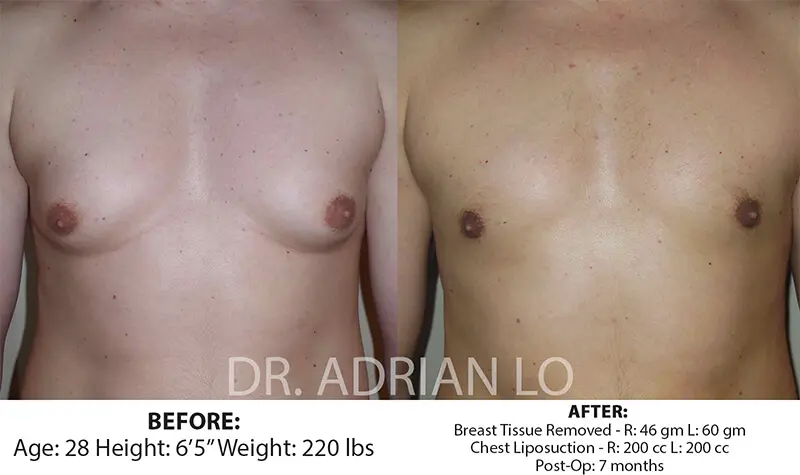
Teenage gynecomastia treatment often involves watchful waiting rather than immediate intervention. Most cases that develop during puberty are temporary and resolve within two years without medical treatment. The pubertal gynecomastia timeline typically shows improvement between ages 16 and 18 as hormone levels stabilize. However, if there is a large amount of gland tissue, this condition may not resolve naturally with time. In these cases, gynecomastia surgery may be considered to remove the breast glands,
In most cases of pubertal gynecomastia, the breast tissue gradually decreases as testosterone production increases and estrogen levels normalize during adolescence. Plastic surgeons usually recommend waiting until late teenage years before considering surgery. However some teenagers may need to have surgery at a younger age (for example age 13 or 14) when there is a large amount of glandular tissue that is unlikely to resolve naturally. In these situations, early surgical treatment can help restore a masculine chest contour and prevent psychological and emotional distress.
Temporary Hormonal Fluctuations
Short-term hormone changes caused by illness, stress, or temporary medication use may cause reversible breast tissue growth (temporary gynecomastia). These situations create temporary reversible hormone imbalances that correct themselves once the underlying issue resolves. The breast tissue often decreases within several months after correction of the underlying issue.
Men who develop gynecomastia during a specific health event may see improvement after recovery. Discontinuing a medication linked to gynecomastia may allow the tissue to shrink. However, glandular tissue that has fully developed may not disappear completely even when hormone levels normalize. In this situation, gynecomastia surgery would be an effective solution for permanent correction.
Resolution After Medication Changes: Does Gynecomastia Go Away?
Does gynecomastia go away on its own after stopping certain medications?
Sometimes, but not always. If you see the male breast tissue growth and change medications quickly, the breast tissue may reduce and you may see reduction in breast size. Recently developed breast tissue responds better than long-established gland growth, which often becomes permanent.
Your plastic surgeon and primary care physician should coordinate any medication changes. Some medications require gradual tapering rather than abrupt discontinuation to avoid health risks. Even after stopping the medication, gynecomastia improvement may take six months to a year.
Why Adult Gynecomastia Persists Long-Term
Established Breast Tissue Growth
Once the male breast tissue has been established for an extended period, natural resolution becomes unlikely and male breast tissue reduction surgery becomes necessary. Fully developed gland tissue behaves similarly to female breast tissue and does not shrink with hormone changes or weight loss. The tissue remains permanent unless surgically removed.
Men who have had gynecomastia for several years typically face this reality. The longer the condition exists, the less likely it will resolve naturally. Established gland tissue has completed its growth cycle and will not regress on its own, making gynecomastia surgery an effective solution.
Ongoing Hormonal Factors
Adult men with persistent hormone imbalances experience continuous stimulation of breast tissue growth. Conditions such as liver disease, kidney failure, or thyroid disorders maintain hormone disruption. While these underlying health issues require medical management, they do not eliminate existing breast tissue.
Adult gynecomastia persistence relates directly to sustained hormone abnormalities. Even with medical treatment for the underlying condition, the breast tissue typically requires surgical intervention to remove the established gland tissue and to restore a masculine chest contour.
Permanent Breast Gland Development in Adult Gynecomastia
Does gynecomastia go away on its own in adults? Rarely, especially after age 25. At this age, adult male breast tissue reaches a mature state that does not respond to hormone normalization. The glandular structure becomes permanent and resembles female breast composition.
Weight loss helps reduce fat around the chest but does not eliminate gland tissue. Exercise builds chest muscles but cannot shrink the breast tissue itself. Gynecomastia surgery remains the only reliable method for removing established breast gland tissue in adult men.
Men who postpone treatment hoping for natural resolution often become frustrated. The condition can impact self-confidence, limit clothing choices and affect quality of life. Gynecomastia surgery provides predictable lasting results that waiting cannot achieve.
Expert Gynecomastia Treatment in Philadelphia

While teenage cases may resolve naturally, adult gynecomastia typically requires surgical intervention for effective male breast tissue reduction.
Dr. Adrian Lo, a board-certified plastic surgeon specializes in gynecomastia surgery that removes excess glandular breast tissue and fat to create a flatter, more masculine chest contour. His comprehensive approach addresses both gland tissue and excess fat for natural-looking results and improved confidence.
Philadelphia plastic surgery consultations with Dr. Lo include a thorough evaluation of your condition, discussion on whether your gynecomastia may resolve naturally and personalized recommendations of your treatment options. If surgery is the best path forward, Dr. Lo will explain the procedure, recovery process and expected results.
Schedule a consultation to discuss your concerns and learn how gynecomastia surgery can help you achieve the chest appearance you desire. Dr. Adrian Lo serves the Philadelphia and the surrounding Cherry Hill, NJ areas. Dr Lo and his experienced team will guide you through every aspect of the procedure from planning to recovery.